
The air in Minneapolis is thick with a particular kind of football reckoning. Not the sting of a playoff loss, but the methodical dismantling of a team that, just two years ago, felt on the cusp of something real. It’s a cold, calculated move, and it began not with a blockbuster trade or a coaching change, but with the quiet announcement from Atlanta that Kirk Cousins would be released on March 11th. The ripple effect of that decision is now reshaping the Vikings’ future, and it’s a story that speaks volumes about the NFL’s brutal cycle of rebuilds, the precariousness of veteran contracts, and the shifting definition of quarterback value.
The Carousel at Quarterback: More Than Just Names
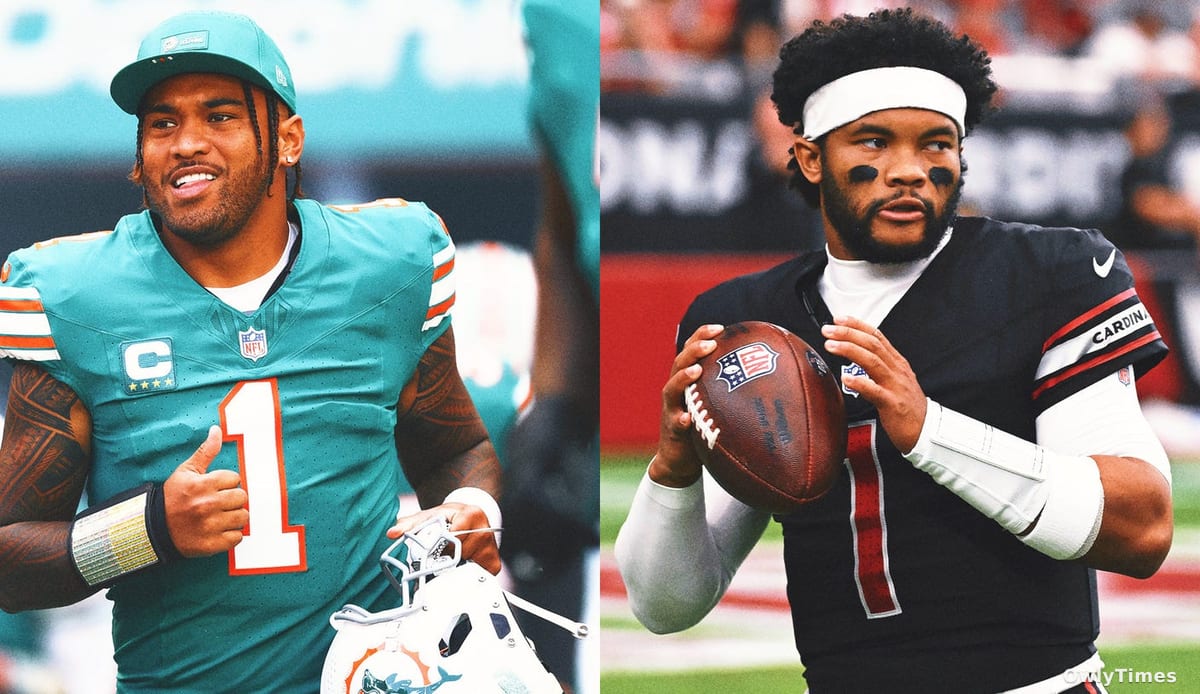
The Vikings aren’t just looking for a quarterback; they’re navigating a landscape littered with potentially available, yet deeply flawed, options. Tua Tagovailoa of the Miami Dolphins, Kyler Murray of the Arizona Cardinals, Geno Smith of the Las Vegas Raiders, and, of course, the returning possibility of Cousins himself are all reportedly on Minnesota’s radar. But this isn’t a simple shopping spree. It’s a reflection of a league grappling with the financial realities of the quarterback position. The Dolphins, for instance, could face a record $99.2 million dead cap hit if they release Tagovailoa, a staggering figure that underscores the risk of investing heavily in a player whose performance hasn’t consistently matched his contract. That number dwarfs the average dead cap hit for released players, which hovered around $22 million in 2023, according to data from Spotrac.
Reporting from foxsports.com informs this analysis.
The situation with Murray is equally telling. He’s actively seeking a release, a move fueled by reported frustration within the Cardinals organization. This isn’t a case of a team cutting ties with a struggling player; it’s a player recognizing his situation and proactively seeking a new beginning. The Cardinals’ willingness to let him go, despite having invested significant draft capital in him, speaks to the high bar set for franchise quarterbacks – and the speed with which that patience can evaporate. Geno Smith, despite leading the league in interceptions with 17, remains a name in the mix, highlighting the Vikings’ willingness to consider a wider range of possibilities. The fact that Minnesota is even entertaining these options while simultaneously developing J.J. McCarthy suggests a long-term plan focused on competition and future-proofing the position.
Beyond the Headlines: The Cost of Ambition
The Vikings’ overhaul extends beyond the quarterback room. The planned departures of running back Aaron Jones and defensive tackle Javon Hargrave represent a calculated effort to free up over $18 million in cap space. While these moves might seem like simple cost-cutting measures, they reveal a deeper truth about the NFL’s relentless pursuit of efficiency. Jones, despite a career-low 548 rushing yards in 2025, remains a respected veteran, but his declining production and relatively high salary no longer align with the Vikings’ strategic vision. Similarly, Hargrave, signed to a two-year, $30 million deal, failed to deliver the disruptive impact expected of him, registering just 3.5 sacks.
These aren’t failures of individual players, but rather illustrations of the inherent risks in free agency. The Vikings, like many teams, are learning that simply adding expensive veterans doesn’t guarantee success. The league-wide trend towards prioritizing draft capital and developing young talent is becoming increasingly pronounced, and Minnesota’s current strategy reflects this shift. The team is betting on McCarthy’s potential, and is willing to sacrifice established veterans to create opportunities for younger players to emerge.
A Familiar Face, A New Equation
The potential return of Kirk Cousins adds a layer of complexity to this narrative. He’s the only quarterback on the Vikings’ list currently set to be a free agent, and his familiarity with head coach Kevin O’Connell – having played under him for two seasons – is a significant advantage. Cousins enjoyed a successful run in Minnesota, leading the team to the playoffs in 2022 before a devastating Achilles injury derailed his 2023 season. His 2025 stats in Atlanta (5-3, 1,721 yards, 10 TDs, 5 INTs) demonstrate he can still play at a high level. However, bringing him back isn’t simply about nostalgia. It’s about finding a veteran presence who can mentor McCarthy and provide stability while the young quarterback develops.
But the equation has changed. Cousins will likely command a significant contract, and the Vikings must weigh that cost against the potential benefits. The Falcons’ decision to release him, despite his relatively solid performance, suggests that his market value may be lower than anticipated. This could create an opportunity for Minnesota to secure his services at a more reasonable price, but it also raises questions about his long-term future with the team.
What This Means for the NFL’s Quarterback Landscape
The Vikings’ situation isn’t isolated. It’s a microcosm of the broader upheaval occurring at the quarterback position across the NFL. Teams are increasingly willing to move on from established veterans, even those with proven track records, in favor of younger, more affordable options. The rise of the dead cap, coupled with the increasing demands of the position, is forcing teams to make difficult choices. The Vikings’ willingness to explore all options – from veteran free agents to potential cuts to developing their own draft picks – demonstrates a new level of strategic flexibility.
The question now is: will this gamble pay off? Will J.J. McCarthy develop into the franchise quarterback the Vikings envision? And will the team be able to navigate the complexities of the quarterback carousel without sacrificing its long-term competitiveness? The next few months will be critical, and the decisions made in Minneapolis will undoubtedly reverberate throughout the league, shaping the future of the NFL’s most important position. Will other teams follow suit, prioritizing long-term development over immediate gratification? That’s the scenario to watch as the league heads into another unpredictable offseason.

