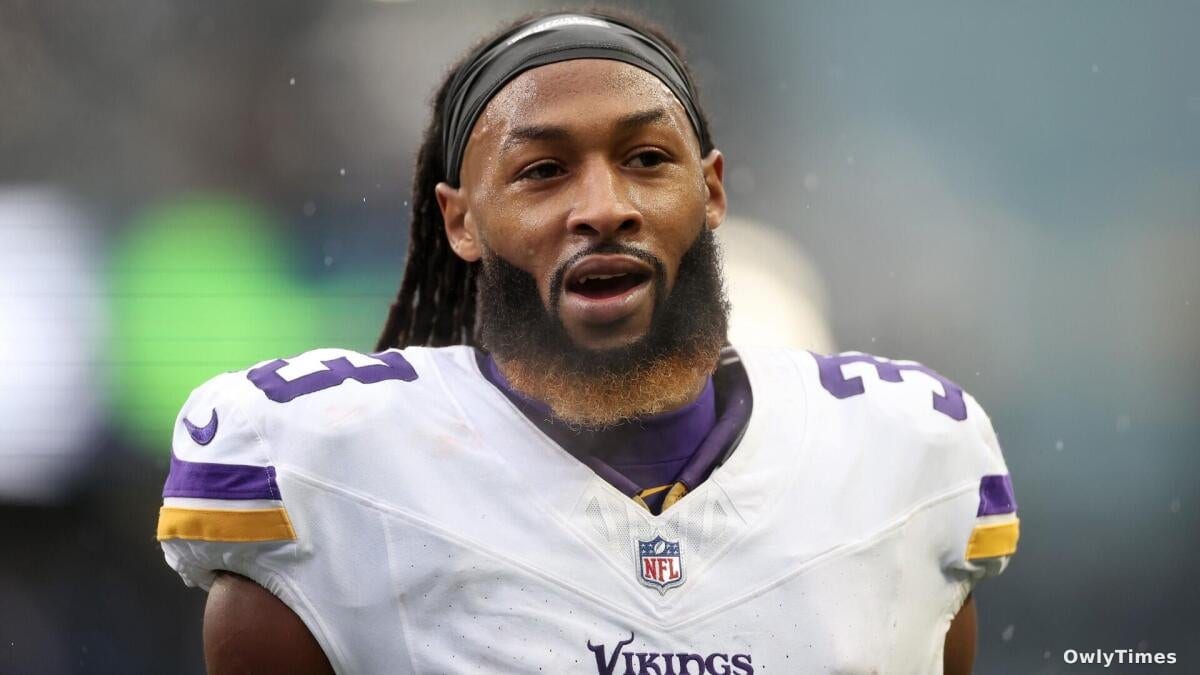

The chipped paint on the goalposts at Lambeau Field seemed to gleam a little brighter this week, even under the gray Wisconsin sky. Not because of any impending Packers victory, but because of a quiet reckoning happening 300 miles west, in Minnesota. The Minnesota Vikings are poised to release running back Aaron Jones, a player who, just last year, was electrifying crowds with every carry, and defensive tackle Javon Hargrave, a veteran presence on a defensive line desperately seeking stability. It’s a harsh reality, even by the ruthless standards of the NFL, and a stark illustration of how quickly loyalty can become a casualty of the salary cap.
These aren’t just roster moves; they’re symptoms of a league increasingly defined by financial constraints and the relentless pursuit of short-term gains. The Vikings, according to ESPN, will save a combined $18.65 million by cutting both players – $7.75 million from Jones’ contract and $10.9 million from Hargrave’s. Before these moves, the team was a staggering $44 million over the $301.2 million salary cap for the 2026 season, as calculated by Spotrac. That number isn’t an abstract accounting issue; it dictates the team’s ability to compete, to retain talent, and ultimately, to contend for a Super Bowl. The league year and free agency begin March 11th, and every team is scrambling to get under the cap, a pressure cooker that prioritizes financial maneuvering over player relationships.
Aaron Jones’ story is particularly poignant. After seven seasons building a legacy in Green Bay, drafted as a fifth-round pick and blossoming into a Pro Bowler, he signed with the Vikings in 2024. He immediately delivered, leading the team with 1,138 rushing yards and injecting a much-needed spark into the offense. But 2025 saw a dip in production – 548 yards in 12 games – and at 31, the Vikings deemed his contract a luxury they could no longer afford. It’s a brutal reminder that in the NFL, even a stellar season can’t guarantee future security. The league is trending towards a “running back by committee” approach, devaluing individual stars at the position and prioritizing cost-effectiveness. Jones’ release isn’t just about his performance; it’s about a fundamental shift in how teams value the running back position.
The situation with Javon Hargrave is equally telling. A two-time Pro Bowler with stops in Pittsburgh, Philadelphia, San Francisco, and now Minnesota, Hargrave represents the modern NFL defensive lineman: a disruptive force capable of generating pressure and collapsing pockets. He recorded 52 tackles and six quarterback hits in 16 games for the Vikings last season. Yet, at 33, and with a significant salary, he’s become expendable. His journey through four teams in the last five years underscores the transient nature of player careers and the constant search for the right fit – and the right price. The Vikings’ defensive line, already a question mark heading into next season, now faces further uncertainty.
See the original CBS Sports story for the full account.
Beyond the headlines of cap savings and roster cuts, this situation reveals a deeper tension within the NFL. The league generates billions in revenue, yet consistently justifies cost-cutting measures that impact players and their families. The collective bargaining agreement attempts to address these imbalances, but the inherent power dynamic remains skewed in favor of owners. The Vikings’ moves aren’t isolated incidents; they’re part of a league-wide pattern of prioritizing financial flexibility over player loyalty and long-term stability. As teams navigate the complexities of the salary cap, the question becomes: at what cost does winning come? Will the NFL continue down this path, sacrificing veteran leadership and established stars at the altar of financial efficiency, or will a new model emerge that values both competitive success and the human element of the game?