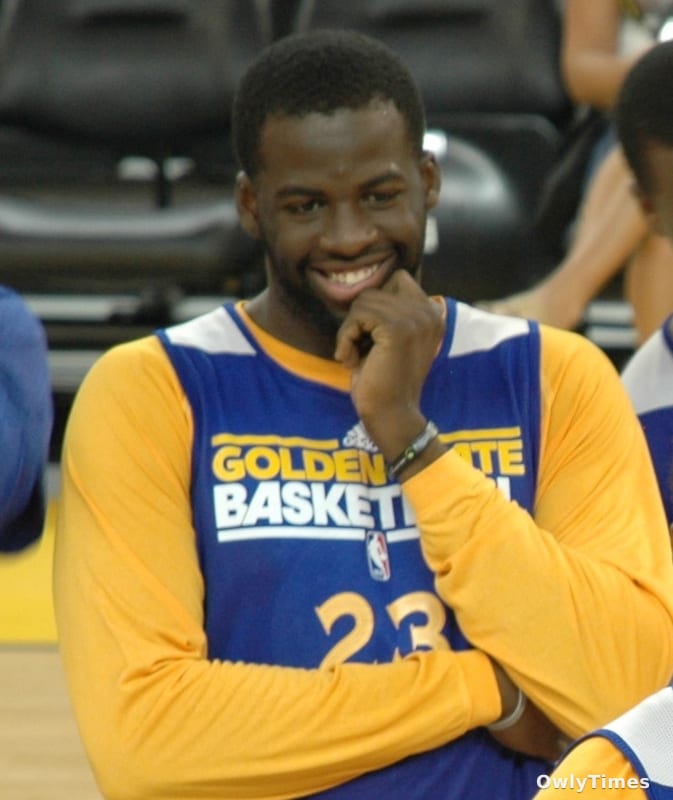

The air in the Chase Center felt thick with something heavier than disappointment Friday night. It wasn’t just the 127-117 loss to the Minnesota Timberwolves, a fourth consecutive defeat and the ninth in twelve games for the Golden State Warriors. It was the way the losses were accumulating – a slow-motion dismantling of a roster, piece by agonizing piece. As Draymond Green sat on the bench, a pre-game flare-up of lower back soreness sidelining him just thirty minutes before tip-off, it felt less like a basketball game and more like a triage unit. Then came Quinten Post’s sprained ankle, followed by Al Horford clutching his calf and Seth Curry favoring his adductor. By the final buzzer, the Warriors weren’t just losing a game; they were losing their season, one strained muscle and twisted joint at a time.
The Cost of Championship Ambition
This isn’t simply bad luck; it’s a stark illustration of the physical toll demanded by the modern NBA, and the precariousness of building a dynasty around aging stars. The Warriors, after years of sustained success, are facing a reckoning. The injuries to Stephen Curry (out for 16 games with a right knee injury) and now a cascade of others aren’t random occurrences. They’re the inevitable consequence of pushing bodies to their absolute limits over years of deep playoff runs and a relentless 82-game regular season. Consider this: Curry, along with the already sidelined Jimmy Butler (torn ACL), won’t even qualify for year-end awards due to missing the 65-game threshold. That’s not just a statistical footnote; it’s a symbolic loss of individual recognition for players who have defined an era. The league’s emphasis on star power and demanding schedules are colliding, and the Warriors are squarely in the impact zone.
This piece references the Yahoo Sports report.
Beyond the Box Score: A Team in Crisis
Steve Kerr’s post-game comments, while stoic, revealed the depth of the crisis. “We’re going through it for sure,” he admitted to NBC Bay Area, adding, “But you saw how hard the guys played…We can't ask anything more of our players right now.” But “effort” only goes so far when half your roster is in street clothes. The Warriors’ current record of 32-34 places them ninth in the Western Conference, a precarious position that feels less earned and more…survived. They haven’t strung together consecutive wins since a four-game streak in mid-January – a damning statistic that speaks to a team perpetually operating in damage control. The sheer volume of absences – Green, Kristaps Porziņģis, Horford, Moody, Melton, and both Curry brothers ruled out for Sunday’s game against the Knicks – isn’t just a roster depletion; it’s a fundamental disruption of team chemistry and strategic possibilities.
The Road Ahead: A Gauntlet of Challenges
The timing couldn’t be worse. The Warriors are embarking on a brutal six-game road trip, facing formidable opponents like the New York Knicks, Boston Celtics, and Atlanta Hawks. This isn’t a stretch of games designed to build momentum; it’s a potential death knell for their playoff hopes. Al Horford’s calf strain, described by Kerr as something they “won’t rush him back” from, is particularly concerning. Calf injuries are notoriously tricky, often leading to re-injury if not properly managed. The Warriors are now forced to rely on a patchwork of players, many of whom are inexperienced or ill-suited to fill the roles of their injured teammates. This isn’t about finding replacements; it’s about surviving.
What This Means for the Future of NBA Rosters
The Warriors’ implosion isn’t just a local tragedy for Bay Area fans. It’s a cautionary tale for the entire league. The relentless pursuit of championships, coupled with the physical demands of the game, is creating a system where even the most meticulously constructed rosters are vulnerable to collapse. The question now isn’t just whether the Warriors can salvage their season, but whether the NBA is willing to address the systemic issues that contribute to these kinds of injury crises. Will teams prioritize player health over win-at-all-costs strategies? Will the league consider shortening the regular season or implementing more robust injury prevention protocols? Or will we continue to watch championship contenders crumble under the weight of their own ambition, leaving a trail of broken bodies and dashed hopes in their wake? The Warriors’ fate, and the fate of the league, may depend on the answers.

