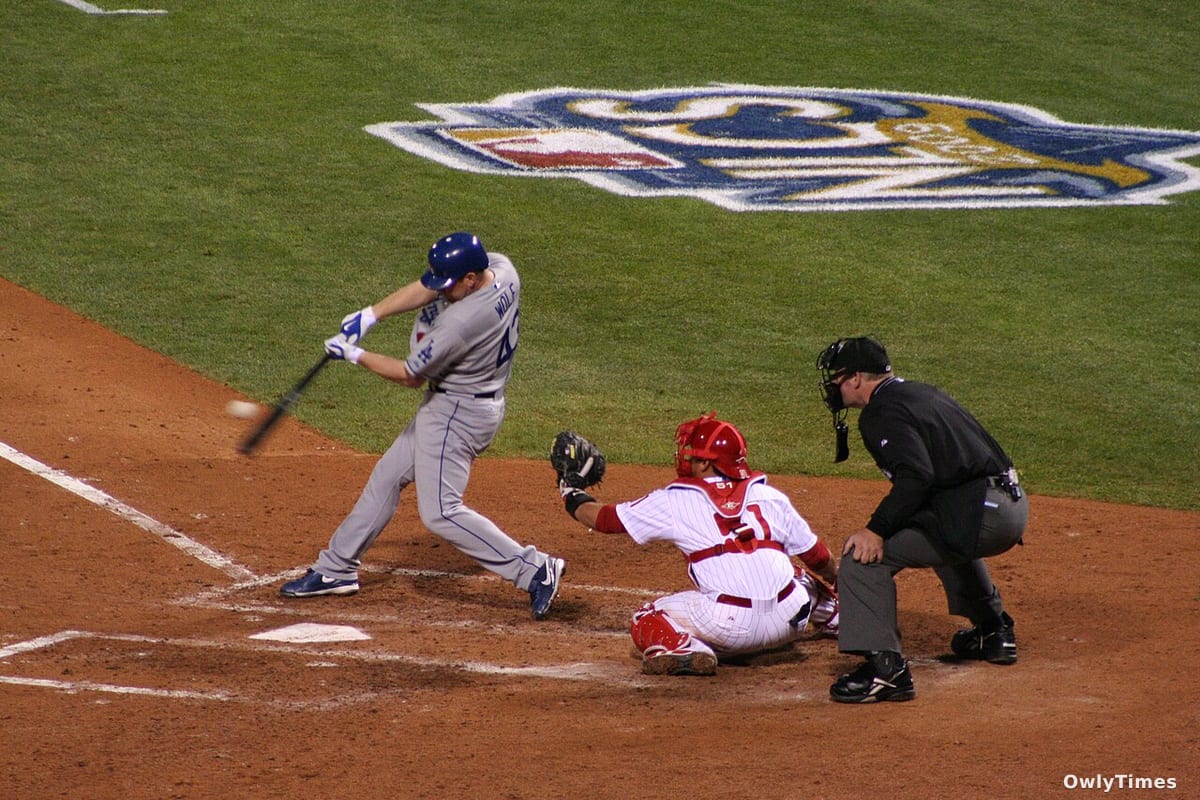

The humid Miami air hung thick with anticipation, a scent of salt spray and something else – a simmering national pride. Not just American, not just Dominican, but a global baseball fervor rarely seen outside of October. LoanDepot Park wasn’t just hosting a semifinal game between the United States and the Dominican Republic on March 15th; it was showcasing a tournament, the 2026 World Baseball Classic, that’s quietly reshaping how the sport views its own identity. Forget the tired narratives of spring training rust or exhibition game apathy. This isn’t a prelude to the MLB season; it is a season, a concentrated burst of international passion that’s forcing a reckoning with baseball’s increasingly global footprint.
Beyond the Box Score: A Tournament Built on Identity
The WBC, often dismissed as a sideshow, is proving to be anything but. Twenty teams, divided into pools across San Juan, Houston, Tokyo, and Miami, are battling not just for a championship trophy, but for bragging rights that resonate far beyond the diamond. The tournament’s structure – round robin play followed by knockout rounds culminating in a March 17th championship – is meticulously designed to reward consistent performance, but also acknowledges the unpredictable nature of head-to-head matchups. Tiebreakers, ranging from run differential to batting average within games between tied teams, demonstrate a level of detail usually reserved for the most intense league competitions. This isn’t casual baseball; it’s a calculated, high-stakes affair. And the viewership numbers are reflecting that shift. While official figures aren’t yet available for the 2026 tournament, the 2017 WBC saw an average of 2.6 million viewers per game on FS1, a significant jump from previous iterations, and early indicators suggest 2026 will surpass that.
Based on the original USA Today report.
The Re-Seeding Gamble and the Rise of the Underdog
What’s particularly intriguing about the WBC format is the re-seeding after the quarterfinals. This isn’t simply about rewarding the pool play winners; it’s about creating genuine drama and acknowledging that momentum can shift dramatically. A team that stumbled through pool play but found its rhythm in the quarterfinals could suddenly find itself facing a more favorable path to the championship. This year, the pools themselves reveal a fascinating dynamic. Pool C, based in Tokyo, features powerhouses Japan and South Korea alongside emerging baseball nations like Australia and Czechia. Pool D, hosted in Miami, pits the traditionally strong Venezuela and Dominican Republic against the upstarts of Israel and Nicaragua. The inclusion of these smaller nations isn’t just a gesture towards inclusivity; it’s a recognition that baseball talent is no longer concentrated in the traditional hubs.
The Business of International Passion
The financial implications of this growing international interest are substantial. The WBC isn’t just about national pride; it’s a burgeoning economic engine. Ticket sales for games in Miami, Houston, and San Juan are reportedly exceeding expectations, and streaming numbers on platforms like FOX One and Fubo are climbing. More importantly, the tournament provides a platform for players from leagues around the world to showcase their talent to MLB scouts. For players from countries with less established baseball infrastructure, the WBC can be a career-defining opportunity. The tournament also forces MLB to confront its own marketing strategies. For years, the league has focused primarily on the domestic market. The WBC demonstrates that there’s a massive, untapped audience eager to engage with the sport, but only if it’s presented in a way that acknowledges and celebrates their cultural identity.
What Does This Mean for the Future of Baseball?
The 2026 World Baseball Classic isn’t just a tournament; it’s a bellwether. It’s a test of whether baseball can successfully navigate the challenges of globalization and embrace its increasingly diverse fanbase. The question now isn’t if the WBC will continue to grow, but how MLB will respond to its success. Will the league integrate the lessons learned from the tournament into its own marketing and player development strategies? Or will it continue to treat international baseball as a secondary concern? The outcome of Sunday’s game between the United States and the Dominican Republic is important, of course, but the real story unfolding in Miami is far bigger than a single championship. It’s about the future of a sport grappling with its identity in a rapidly changing world. Will MLB finally recognize that the world is watching, and that the future of baseball isn’t just American – it’s global?

