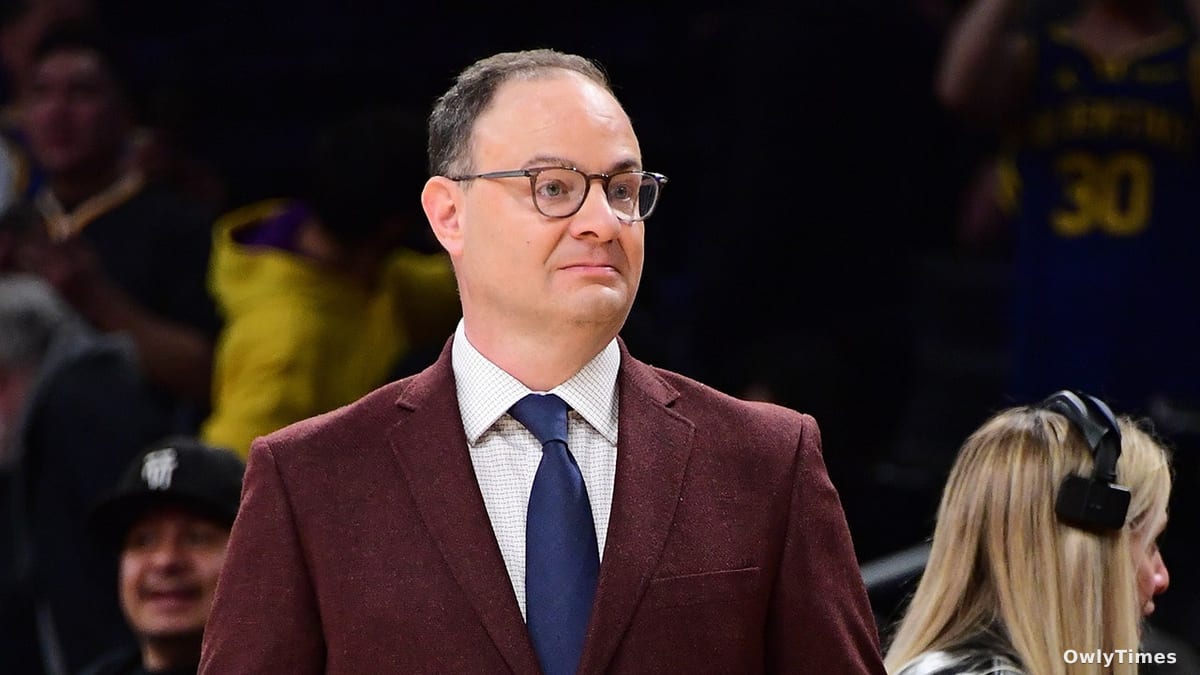

The shift from the high-stakes, multi-million dollar corridors of ESPN to the intimate, hardwood-scented reality of a mid-major college basketball program is rarely a seamless transition. For Adrian Wojnarowski, who traded a $7 million annual salary for a position paying approximately $70,000 at St. Bonaventure, the move was framed as a homecoming to his alma mater. Yet, beneath the surface of this altruistic career pivot, a different story is brewing in the quiet corners of Olean, New York. The transition from national media powerhouse to local program manager has hit a wall not of talent or strategy, but of deep-seated political friction.
A Cultural Chasm in Olean
The friction is most palpable at The Bartlett Country Club, located just three miles from the St. Bonaventure campus. It is here that local power brokers, the very people necessary to fuel the financial engine of a collegiate athletic program, are expressing a growing sense of alienation. Eric Firkel, a regular at the club, encapsulates the mounting tension that threatens the program's growth. He notes that the community feels a distinct, exclusionary chill, suggesting that Wojnarowski’s public political posture makes him appear as though he looks down on those who do not share his specific ideological leanings.
This perception is not merely a product of local rumor; it is tethered to a public record of high-profile political confrontation. During his tenure at ESPN, Wojnarowski made headlines in 2020 for sending a profane two-word email to Republican Senator Josh Hawley regarding the NBA’s business dealings with China, an act that earned him a two-week suspension. In the years since, he has maintained a vocal presence on social media, sharing anti-Trump content from The New York Times and utilizing platforms like Threads to post slogans such as "Stand up to fascism."
The Economics of Political Friction
For an athletic department, the stakes of such rhetoric are rarely just personal. The region surrounding the university reflects a vastly different political landscape than the one Wojnarowski occupied in his previous career; the county housing the Bartlett club voted for Donald Trump over Kamala Harris by a two-to-one margin in 2024. When a general manager is tasked with soliciting support from donors in a rural, conservative-leaning community, personal political expression often becomes a professional liability.
Wojnarowski’s approach to these tensions has been one of deflection. When pressed by The Athletic on whether his political views were hindering his ability to engage with local stakeholders, he declined to address the friction directly. Instead, he pivoted to the idea that a winning basketball team acts as a universal solvent for community division. While success on the court at the Cleveland Hoops Showdown against the Ohio Bobcats—where he was seen on December 13, 2025—can certainly generate goodwill, it remains to be seen whether athletic victories can bridge the gap between a high-profile executive and a donor base that feels fundamentally misunderstood by his public persona.
The Reality of Local Stewardship
The irony of the current situation is that Wojnarowski’s background as an elite insider was once viewed as a massive asset for St. Bonaventure. His ability to navigate the complexities of the NBA was meant to be the program’s greatest recruiting and operational tool. However, the contrast between his previous influence—including his role in political cycles, such as when he was contacted by the Harris campaign to potentially break news regarding the Tim Walz selection—and his current role as a local manager is stark.
As the program moves forward, the primary metric to watch will be the engagement levels and fundraising stability within the local donor community. The tension between his long-standing, unabashed political identity and the specific cultural environment of Olean will ultimately determine if his commitment to his alma mater can translate into sustainable, long-term growth for the Bonnies. Whether his professional focus can fully eclipse his public political footprint is the open question that will define his tenure.