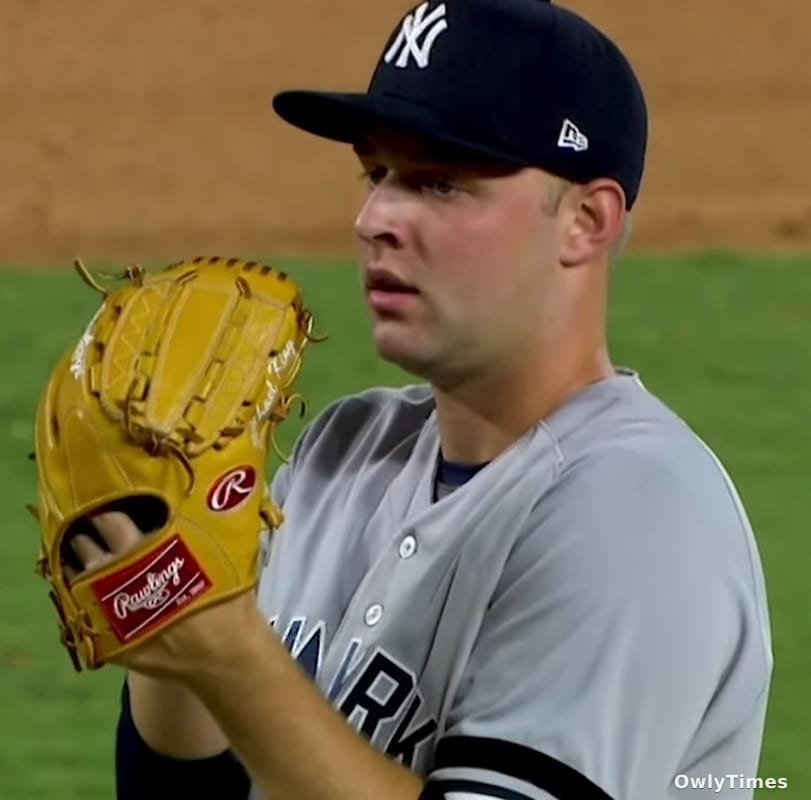

The humid air inside Yankee Stadium on April 18, 2026, carried more than just the scent of pinstripes and fresh grass; it held the quiet, high-stakes tension of a roster in transition. As Will Warren (#29) stood on the mound against the Kansas City Royals, he wasn’t just chasing a win—he was auditioning for a future that is becoming increasingly crowded. In professional sports, the "good problem to have" is a notorious illusion, a temporary state of grace before the cold reality of roster logistics forces a hand.
The Rotation Surplus
For the New York Yankees, the current narrative is one of enviable depth. Max Fried and Cam Schlittler have emerged as the anchors of the rotation, providing a level of stability that has effectively muffled the anxiety surrounding the injury rehabilitation processes of Gerrit Cole and Carlos Rodón. In a league where starting pitching often collapses under the weight of attrition, having two starters performing at a high level allows the organization a rare luxury: the ability to be patient.
However, patience has an expiration date. With Luis Gil already seeing his turns skipped, the writing appears to be on the wall for his role in the immediate rotation once Rodón makes his return. The front office is looking at a future where the starting staff is heavy with veteran presence, making the traditional five-man rotation a logistical squeeze that likely precludes a six-man alternative.
The Warren-Weathers Dilemma
The spotlight now shifts to the battle between Ryan Weathers and Warren. Both pitchers have navigated the volatile nature of the early 2026 season, displaying flashes of elite potential that make the eventual decision increasingly difficult. Their recent performances against Kansas City served as a microcosm of this tension; Warren delivered a dominant outing on Saturday, racking up 11 strikeouts across seven innings while allowing only two runs.
Not to be outdone, Weathers responded the following day by tossing 7.1 scoreless innings with eight strikeouts. These aren't just isolated stat lines; they are markers of two young arms fighting for a permanent seat at the table. While it is easy to view these performances through the lens of individual success, the reality is that the front office is essentially weighing two different versions of upside against the looming return of veteran stars.
Why the Wait Matters
The beauty of the current situation is that the Yankees are not forced to act today. Baseball, in its chaotic, injury-prone glory, often resolves these depth chart conflicts through the very nature of the game itself. By delaying the decision, the team is allowing the sample size of performance data to grow, ensuring that when the time comes to relegate a starter to the bullpen or a different role, the move is backed by as much evidence as possible.
This period of uncertainty serves as a reminder of the fragility of success in the major leagues. Fans often crave a definitive answer, a clear hierarchy of talent, but the industry operates on the principle that readiness is fluid. For now, the focus shifts to the daily churn of the season, with the site’s coverage turning toward the Rivalry Roundup from Peter, an analysis of the bullpen’s viability from Kento, and a tribute to the 65th birthday of Donald Arthur Mattingly by Sam. As for the rotation, the next set of starts for Warren and Weathers will serve as the primary metric to determine how this competitive stalemate eventually breaks.

