
16,000 Jars a Day: How 2 Sisters’ Salsa is Betting on Private Label to Fuel Growth
A single number encapsulates the current strategy at 2 Sisters’ Salsa: 16,000. That’s the number of jars the Avoyelles Parish-based company now produces daily during peak tomato season, a figure representing a significant operational ramp-up and a calculated bet on expanding beyond its established retail footprint. While the company has grown to become Louisiana’s largest salsa producer, shipping to roughly 30 states, the recent change in ownership and a strategic pivot towards e-commerce and private label manufacturing signal a more ambitious phase of growth – one driven by shifting consumer habits and a tightening economic climate.
Based on the original NOLA.com report.
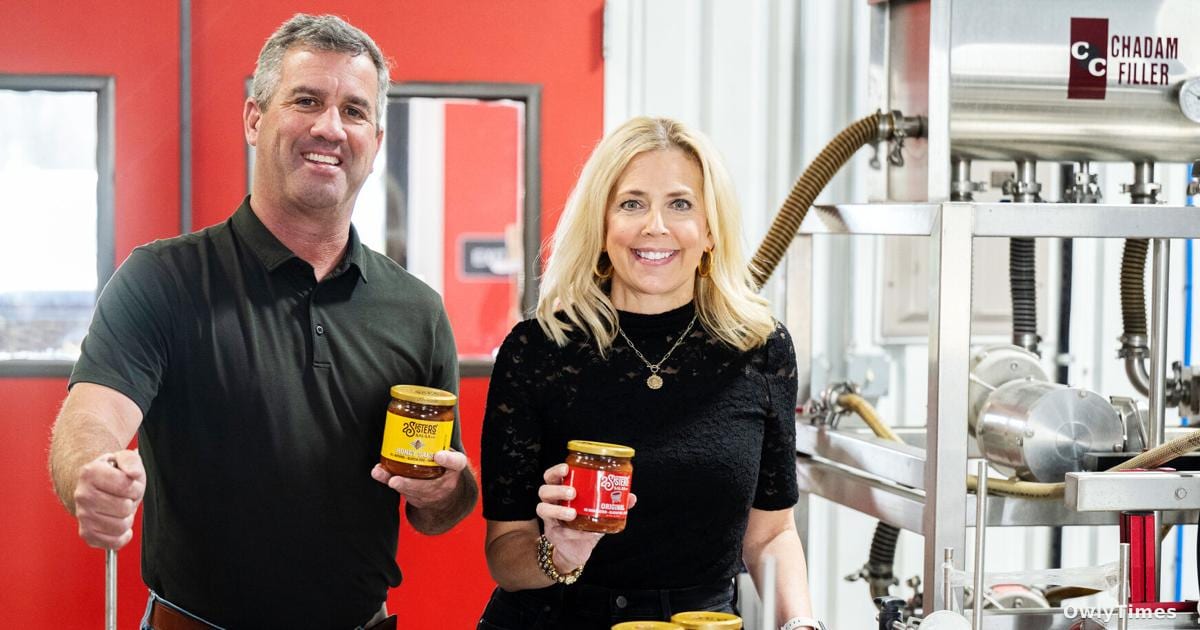
The transition began earlier this year when founder Patrick Deshotels sold a majority stake in 2 Sisters’ Salsa to Denise Ramon, the company’s longtime president. This wasn’t a case of an entrepreneur seeking an exit; rather, it was a pragmatic response to capacity constraints. Deshotels, who simultaneously managed 5,000 acres of farmland, recognized the need for dedicated leadership to capitalize on the company’s momentum. The sale, structured with Deshotels retaining ownership of the production facility through a holding company while Ramon acquires 90% of the brand and intellectual property, reflects a strategic division of labor designed to maximize efficiency.
Follow the money, and the logic becomes clear. 2 Sisters’ Salsa currently generates between $2 million and $5 million in annual revenue, a respectable figure for a regional condiment producer. However, that revenue is heavily concentrated through established retail channels, with approximately half of all sales originating from 1,000 Walmart locations. This reliance on a single major retailer, while providing stability, also limits pricing power and exposes the company to potential supply chain disruptions. The $400,000 facility expansion completed in 2022, doubling production capacity to 5 million jars annually, wasn’t simply about meeting existing demand; it was about positioning 2 Sisters’ to fulfill larger, more lucrative contracts.
Ramon’s strategy centers on two key areas: direct-to-consumer sales via e-commerce and, crucially, private label manufacturing. The latter represents a significant opportunity. Consumers are increasingly price-sensitive, but unwilling to compromise on quality. As Ramon notes, “People are focused on saving money, but they still want the same quality product, and they’re looking for a ‘better-for-you’ product.” Grocery stores are responding by expanding their private label offerings, seeking reliable suppliers who can deliver consistent quality at competitive prices. 2 Sisters’, with its “farm fresh” branding and commitment to no added sugar, is well-positioned to fill that void. This isn’t a new trend; private label penetration in the food industry has been steadily increasing for years, but the current inflationary environment is accelerating the shift.
The move into private labeling also addresses a fundamental tension within the salsa market. While 2 Sisters’ has built a loyal following through its established flavors, brand recognition remains a challenge in a crowded category. By producing salsa under other retailers’ labels, the company secures consistent volume and reduces marketing expenses, effectively leveraging existing brand equity. Simultaneously, the increased focus on e-commerce – including partnerships with influencers and a revamped website – aims to build direct relationships with consumers and cultivate brand loyalty independent of retail partnerships. This dual approach mitigates risk and creates multiple revenue streams.
However, the path isn’t without obstacles. The condiment market is fiercely competitive, dominated by established national brands with substantial marketing budgets. Successfully navigating the e-commerce landscape requires sophisticated digital marketing strategies and a robust supply chain capable of handling individual orders. Furthermore, the company’s reliance on seasonal tomato harvests – Florida tomatoes in winter, Indiana tomatoes in fall – introduces inherent logistical complexities and potential supply disruptions. The recent expansion into international markets, with launches in Costa Rica and Hong Kong, represents a promising diversification strategy, but also introduces new regulatory and logistical hurdles.
What this means for your wallet: expect to see more “store brand” salsas on grocery shelves, potentially at lower price points, with a good chance some of that salsa is coming from a small plant in Plaucheville, Louisiana. Watch for 2 Sisters’ Salsa to quietly become a major behind-the-scenes player in the condiment industry, and consider whether the increased visibility of private label brands will influence your own purchasing decisions as grocery bills continue to rise. The key question for investors and consumers alike is this: can 2 Sisters’ Salsa successfully scale its private label business while maintaining the quality and “farm fresh” appeal that initially drove its success?





