
Political communication is rarely about the overt message; it is about the structural environment chosen to deliver it. When political figures engage in highly managed, low-stakes public forums—such as House Minority Leader Hakeem Jeffries answering questions from children—the strategic calculus is to project accessibility while systematically neutralizing political risk. By choosing an audience incapable of demanding policy specifics or follow-up questions, political leaders can bypass the traditional press corps and craft an unfiltered, soft-focus brand image.
The Currency of Low-Risk Political Platforms
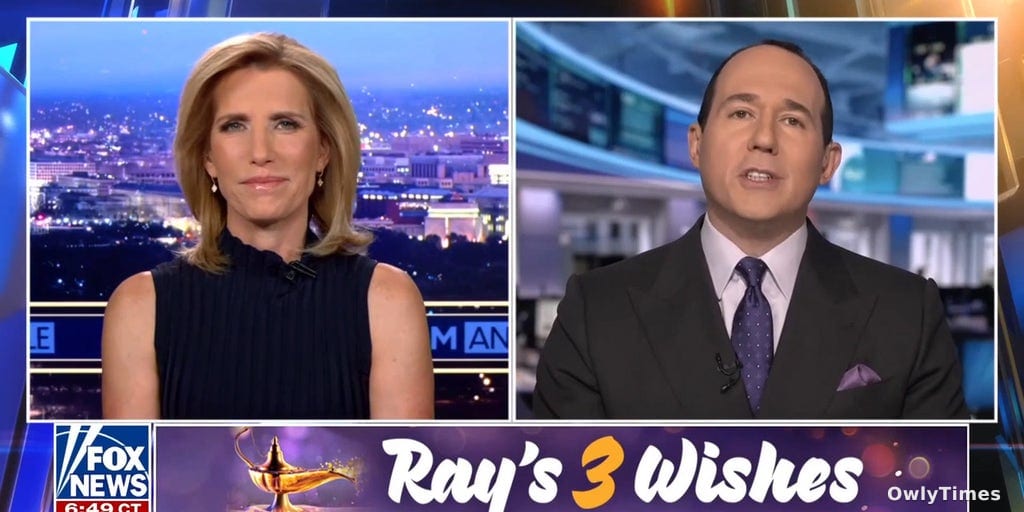
This dynamic took center stage on the April 25, 2026 broadcast of 'The Ingraham Angle', where Fox News contributor Raymond Arroyo dissected the political messaging strategies of both Jeffries and Prince Harry. For a congressional leader like Jeffries, speaking to children provides a unique political shield, allowing him to pivot away from high-pressure legislative debates. By replacing policy friction with curated warmth, such appearances generate highly shareable content that softens a politician's national profile.
The segment also highlighted Prince Harry's recent political commentary, illustrating another facet of modern political branding. For public figures operating outside of traditional electoral politics, engaging in political discourse serves to maintain cultural relevance and align their personal brands with specific ideological cohorts. Arroyo's critique of these moves underscores how non-traditional political actors are increasingly scrutinized under the same analytical lens as elected officials, turning personal commentary into partisan flashpoints.
Who Benefits and Who Loses in Curated Media
Analyzing this media event through the lens of power dynamics reveals a clear division of political utility. We must ask: who benefits and who loses from this highly managed form of political communication? The answers reveal the underlying motivations of both the politicians and the media outlets covering them.
Jeffries benefits by generating positive, risk-free video clips that can be circulated on social media to soften his national profile. Fox News and commentators like Arroyo benefit by using these clips as fodder to critique the political establishment, driving viewer engagement by exposing the mechanics of political public relations. The primary loser is the public's access to substantive political debate, as the opportunity for genuine accountability is diminished when major political figures prioritize soft-ball forums over rigorous journalistic scrutiny.
Historical Parallels in Political Stagecraft
This tactical retreat into safe media environments is not a modern anomaly, but rather a continuation of historical political stagecraft. Throughout modern political history, leaders have routinely bypassed the adversarial press corps in favor of highly controlled, non-traditional forums to rebuild or soften their public images. During the late 20th century, presidential administrations frequently utilized tightly choreographed town halls and youth forums to humanize leaders during times of legislative gridlock. By reframing complex national debates into simplistic, digestible answers for a non-voting audience, politicians historically lower the temperature of partisan conflict while maintaining total control over the narrative.
The Next Media Battleground
The political chess move to watch next is how congressional leaders adjust their media diets as legislative sessions intensify. The next cycle of televised appearances and public briefings will show whether opposition leaders continue to rely on highly managed, soft-ball forums to bypass traditional press scrutiny. Monitoring the ratio of formal press conferences to highly curated public relations events will provide a clear signal of how secure party leadership feels in their messaging.





