
The mental and physical fitness of leaders is a subject of profound public interest, particularly when global stability and domestic well-being hinge on their decisions. Yet, how do we, as a society, objectively assess these critical attributes when claims about a leader's health are predominantly aired in the political arena rather than through clinical evaluation? This fundamental question underscores recent assertions made regarding President Donald Trump's health, prompting a broader discussion about the intersection of political rhetoric and public health understanding.
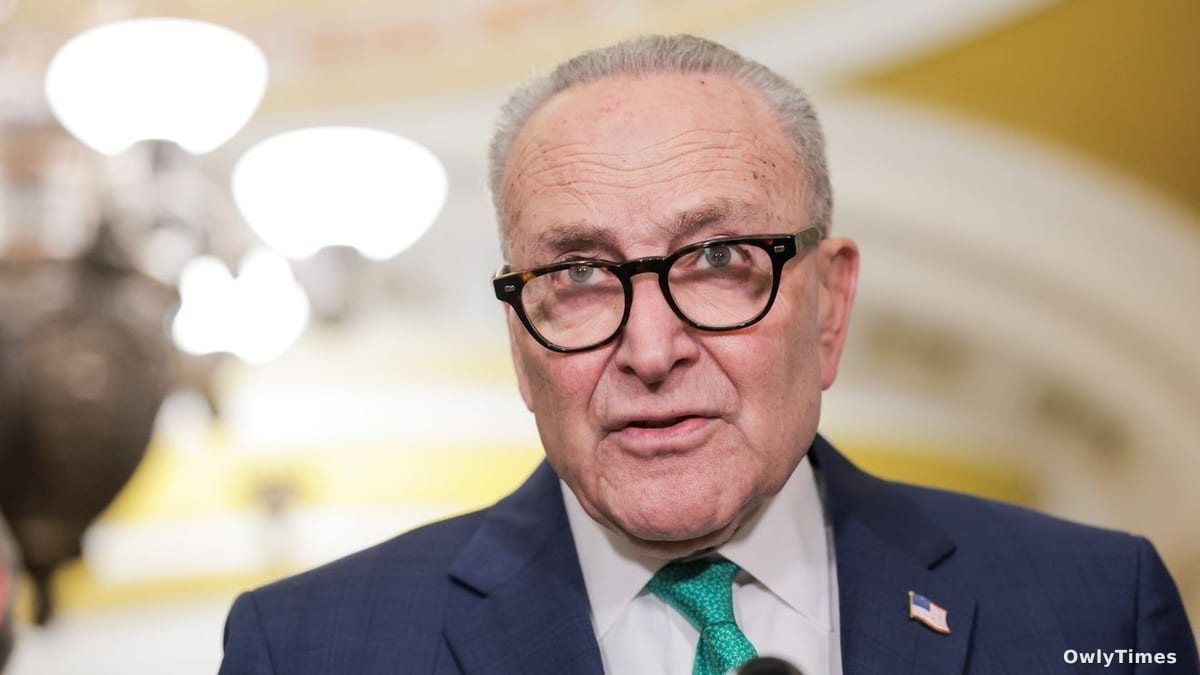
On Tuesday, Senate Minority Leader Chuck Schumer claimed that President Trump’s health is deteriorating, citing a "flood of overnight social media posts" on platforms like X. Schumer suggested that these posts, which he characterized as "nonsensical" and containing "conspiracy theories about his political opponents" and "false claims about 2020 election fraud," indicate a failing mental state for the 79-year-old former president. The senator specifically linked these observations to critical upcoming diplomatic engagements, stating, "This is what he’s doing ahead of a hugely consequential meeting with Xi Jinping while inflation soars out of control."
Disentangling Political Claims from Clinical Evidence
It is crucial to distinguish between what political figures claim and what verifiable medical evidence might suggest. Schumer’s statements, while serious in their implications, are political assertions, not medical diagnoses. In contrast to a formal medical assessment that would involve clinical examinations and evaluations, these claims are drawn from observations of public behavior and social media activity. A White House spokesman, Davis Ingle, pushed back on Schumer’s claims, telling The National News Desk that the senator is a “stupid person’s idea of a smart person.” Ingle further asserted, “President Trump’s sharpness, unmatched energy, and historic accessibility stand in stark contrast to what we saw during the past four years when Democrats like Schumer intentionally covered up Joe Biden’s serious mental and physical decline from the American people.” This exchange highlights the pervasive nature of health-related accusations within contemporary political discourse, where such claims often serve strategic ends rather than being grounded in objective health data. The original report can be found here:
This is not an isolated incident but part of a reciprocal pattern of accusations. For years, Trump, his allies, and other Republicans have leveled similar claims about former President Joe Biden’s health, which Democrats have consistently rejected. The current scrutiny of Trump’s well-being mirrors these past exchanges, illustrating a concerning trend where the health of leaders becomes a recurring point of political contention rather than a matter addressed through established medical protocols.
The Weight of Executive Fitness and the 25th Amendment
The gravity of such accusations is amplified by their potential to invoke mechanisms designed for leadership incapacity. Last month, dozens of critics called for Trump’s removal, potentially through the 25th Amendment, after he threatened in a Truth Social post to "destroy an entire Iranian civilization." This extraordinary constitutional provision outlines procedures for the removal or replacement of a president who is unable to discharge the powers and duties of their office. Representative Nancy Pelosi, a key figure in past Democratic impeachment efforts, articulated this concern on X, stating, “Donald Trump's instability is more clear and dangerous than ever. If the Cabinet is not willing to invoke the 25th Amendment and restore sanity, Republicans must reconvene the Congress to end this war.” Trump, however, defended his threat in an interview with Fox News days later, asserting that it compelled Iran to negotiate. The Trump administration has yet to reach a deal with Tehran, a nation hostile to Washington for years. The significance of the 25th Amendment and its historical context can be further explored on Wikipedia's 25th Amendment page.
Limitations to Consider
It is imperative to underscore the limitations inherent in this public discourse. The claims made by political figures, whether regarding President Trump or former President Biden, are not based on medical examinations or clinical assessments. They are political statements, often strategic in nature, and are disseminated without the rigorous diagnostic process required to determine a person's mental or physical health. The public is left to interpret these claims without access to the objective medical evidence that would be necessary for an informed judgment. This creates a challenging environment for citizens seeking to understand the true fitness of their leaders.
Moving forward, the focus will likely remain on the observable actions and public statements of political figures, particularly given the absence of formal health disclosures. President Trump’s upcoming meeting with Chinese President Xi Jinping this week, where they are expected to discuss the ongoing conflict and economic matters straining global markets, will be closely watched. The tenor and substance of these high-stakes diplomatic interactions, alongside continued social media activity and public addresses, will serve as the primary signals for those attempting to gauge the stability and capacity of leadership in a highly polarized environment. These ongoing events will provide the public with further context, even in the absence of clinical data, to evaluate the claims being made about leaders' fitness for office.





