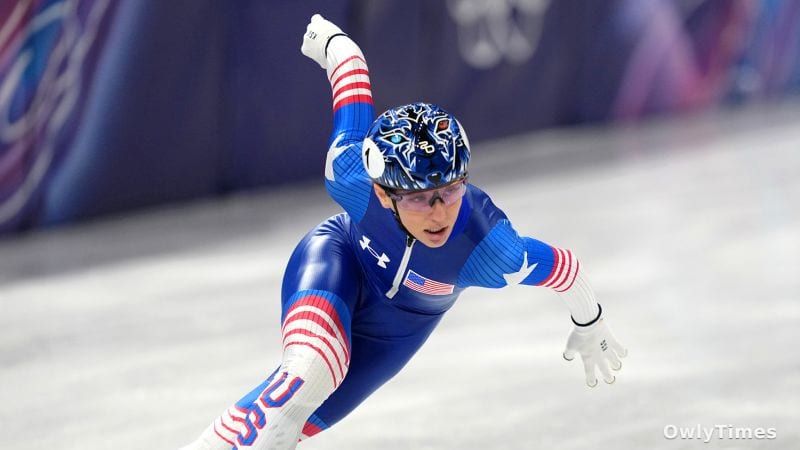

The scent of garlic and simmering tomato sauce hangs heavy in the air of the Milan Olympic Village, a surprising counterpoint to the crisp mountain air and the focused intensity of the 2026 Winter Games. While headlines scream of record-breaking performances – Johannes Hoesflot Klaebo of Norway cementing his legacy as the most decorated Winter Olympian with his ninth gold, Federica Brignone’s triumphant return from a devastating 2025 injury – a quieter story is unfolding in the dining hall. It’s a story of 450 kilograms of pasta prepared daily, of 3,000 eggs cracked and whisked, and of a surprising surge in demand for… pierogi. Beyond the medals and the national pride, the 2026 Olympics are revealing a fascinating truth: peak athletic performance isn’t just about physical prowess, it’s about meticulously calibrated fuel, and increasingly, about embracing cultural comfort food.
The Science of Sustained Performance
The sheer scale of feeding over 3,400 athletes and officials each day is a logistical marvel, but the real innovation lies in the nuance. The Milan Olympic Village isn’t simply offering a buffet; it’s providing six distinct food stations catering to a spectrum of nutritional needs and cultural preferences. This isn’t a new concept – elite athletes have long understood the link between diet and performance – but the level of personalization is reaching new heights. Kristen Gravani, a performance and food allergy dietitian at Stanford University who has worked with Olympic athletes, explains that nutrition “supports the actual physical training” and is fundamental to achieving peak performance. It’s a point driven home by the legendary eating habits of past champions like Michael Phelps, who reportedly consumed 10,000 calories a day during training, and Yohan Blake, who fueled his sprints with a daily intake of 16 bananas.
Drawn from CNN.
Beyond Calories: The Rise of Comfort and Culture
But the focus isn’t solely on sheer caloric intake. The unexpected popularity of dishes like pierogi – a staple of Polish cuisine – speaks to a growing understanding of the psychological benefits of familiar foods. In a high-pressure environment like the Olympics, where athletes are constantly under scrutiny and pushed to their physical limits, a taste of home can be a powerful tool for managing stress and maintaining mental well-being. The mascot stoats, too, are proving to be a surprising merchandising success, a testament to the power of national identity and the desire for a tangible connection to the Games. This isn’t just about satisfying cravings; it’s about creating a sense of normalcy and comfort in an extraordinary situation. The Dutch fans’ ecstatic reaction to Xandra Velzeboer’s gold in the 1000m short track final, while thrilling to witness, also highlights the importance of national support and the emotional weight athletes carry.
The Agony of Defeat, and the Resilience of the Spirit
The Games aren’t without their heartbreak. Arianna Fontana’s near-miss in the women’s 1000m short track final, after appearing poised for a medal, serves as a stark reminder of the razor-thin margins that separate triumph from disappointment. The 35-year-old Italian skater, a national hero, was bumped off course in a crucial moment, a brutal illustration of the unpredictable nature of competition. Yet, even in defeat, there’s a story of resilience. Brignone’s gold medal in the giant slalom is a testament to her unwavering determination after a horrific injury, a narrative that resonates far beyond the slopes. These moments of vulnerability and perseverance are what truly capture the human drama at the heart of the Olympics. Team USA’s decisive 5-1 victory over Germany in men’s hockey, securing their place in the quarterfinals, is another example of the grit and determination on display.
A New Era of Athlete Wellbeing?
The 2026 Winter Olympics are subtly shifting the conversation around athletic performance. It’s no longer enough to simply train harder; athletes must also prioritize recovery, nutrition, and mental wellbeing. The meticulous attention to dietary needs in the Olympic Village, the embrace of cultural comfort foods, and the emphasis on psychological support all point towards a more holistic approach to athlete care. This isn’t just a trend confined to the elite world of sports. As awareness of the link between diet, mental health, and performance grows, we can expect to see similar principles adopted in other high-pressure professions, from finance to medicine. The question now is: will this increased focus on athlete wellbeing translate into systemic changes within sports organizations, ensuring that athletes are not only pushed to their physical limits but also supported in their holistic needs? Or will it remain a carefully curated image, masking underlying pressures and vulnerabilities?

