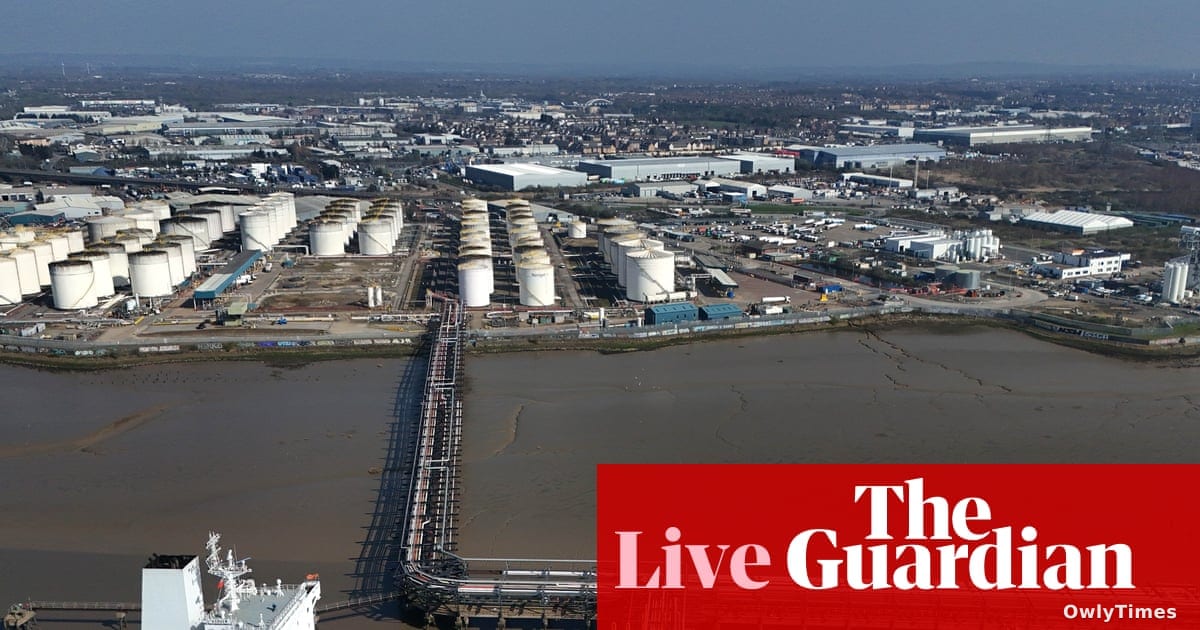

20p. That’s the single number defining the UK economic landscape in March 2026. New data from the RAC reveals the average price of unleaded petrol surged by 20 pence per litre throughout the month, reaching 152.83p – eclipsing the previous record monthly increase of 16.6p seen in June 2022 following Russia’s invasion of Ukraine. This isn’t simply a headline figure; it’s a direct transmission mechanism of geopolitical risk into household budgets, and a stark indicator of the ‘warflation’ dynamic gripping the UK economy.
Follow the money, and the path leads directly from escalating tensions in the Middle East to the UK forecourt. The surge in petrol prices, while significant, is overshadowed by the 40p per litre jump in diesel – almost double the previous record rise in March 2022. This disparity isn’t accidental. Diesel is intrinsically linked to industrial activity and freight, meaning the price hike isn’t just impacting commuters, but the entire supply chain. Simon Williams, RAC head of policy, rightly calls the March increases “unprecedented,” noting they “far exceed those seen in the early days of the war in Ukraine.” The RAC’s research further underscores the vulnerability, revealing eight in ten Britons rely on vehicles, making this price shock a widespread burden.
Drawn from The Guardian.
However, framing this as a simple price increase obscures a critical nuance. While nominal prices are at record highs, the RAC acknowledges that, in real terms, the oil shock of 1973 inflicted a greater economic pain. This historical context is crucial. It demonstrates that while current conditions are severe, the UK economy has weathered larger energy crises before. Yet, the comparison isn’t comforting. The 1973 shock triggered a period of prolonged stagflation, a scenario economists are now cautiously monitoring. The current situation differs – the US is a net energy exporter, and the UK economy is less energy-intensive than in the 1970s – but the risk of ‘warflation’, as identified by Daniel Casali at Evelyn Partners, remains potent: rising prices without a corresponding surge in unemployment.
The impact extends beyond individual consumers. UK firms are already factoring these increased costs into their pricing strategies. The Bank of England’s latest poll shows expectations of “own-price inflation” rose to 3.7% in March, up from 3.4% in February. This isn’t speculative forecasting; it’s a concrete adjustment in business behavior, evidenced by companies like cleaning product manufacturer McBride announcing price increases. Simultaneously, business uncertainty has spiked, with 57% of firms reporting high or very high uncertainty – a 10 percentage point jump from February. This combination of rising prices and heightened uncertainty creates a self-reinforcing cycle, potentially stifling investment and growth.
Financial markets are responding accordingly. UK gilt yields are climbing, reflecting increased borrowing costs for the government, while investors are now fully pricing in two interest rate increases by December. This shift, as noted by Matt Britzman at Hargreaves Lansdown, demonstrates a “risk-off” sentiment, with investors seeking safer assets amidst renewed geopolitical instability. Donald Trump’s recent address, rather than offering reassurance, appears to have exacerbated these concerns, pushing oil prices higher and equity markets lower. The IEA, IMF, and World Bank have jointly warned of “substantial, global and highly asymmetric” impacts, particularly for energy importers, and are coordinating a response – a tacit acknowledgement of the severity of the crisis.
What this means for your wallet: expect continued upward pressure on fuel prices, and a broader increase in the cost of goods and services. The question isn’t if prices will rise further, but how quickly and how long the Strait of Hormuz remains a choke point for global oil supply. Monitor Brent crude prices closely – if they breach $115 per barrel, brace for another significant jump at the pump, and a further squeeze on household finances.