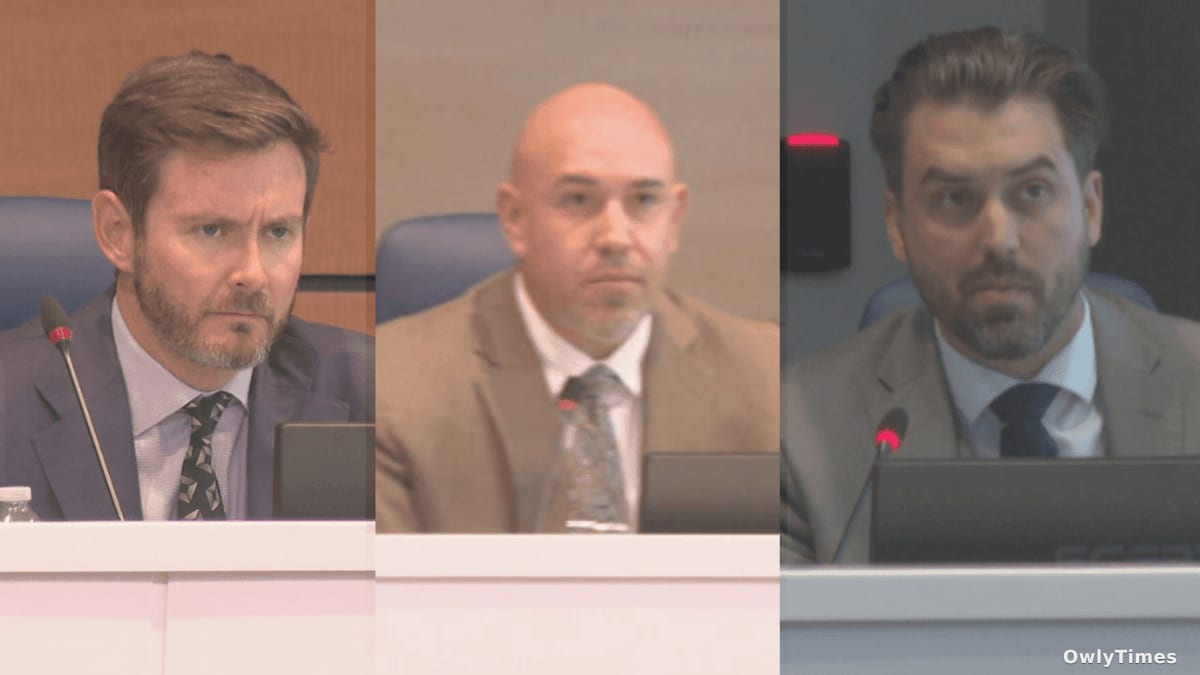

More than 200 federal election campaigns utilized “redboxing” during the 2022 cycle, a practice that researchers found frequently resulted in super PAC spending hundreds of times greater than that of campaigns that did not employ the tactic. In the race for California’s 48th Congressional District, this strategy has moved from a fringe workaround to a central pillar of campaign operations. Three leading Democratic candidates—Ammar Campa-Najjar, Brandon Riker, and San Diego City Councilmember Marni von Wilpert—have each raised over $1 million, and each has maintained public “media” pages on their websites containing specific messaging and demographic targets.
Follow the money, and the intent behind these pages becomes clear. While federal law prohibits campaigns from coordinating with outside groups—a restriction intended to prevent super PACs from becoming extensions of a candidate’s own operations—these websites serve as open-access instruction manuals for outside spenders. By posting desired ad copy, target ZIP codes, and demographic preferences, campaigns provide a blueprint for super PACs to spend unlimited sums on messaging that perfectly aligns with the candidate’s strategy, all while maintaining the veneer of independence.
“Groups and candidates are finding ways to work together to skirt the spirit of the law, if not the letter of the law in some cases,” said Michael Beckel with Issue One, a nonprofit founded in 2013 to address the influence of money in politics, according to the KPBS report. The mechanics of this are stark: as of May 18, the von Wilpert campaign website provided a tiered strategy for messaging, prioritizing online ads, followed by streaming devices and direct mail. Similarly, Riker’s website explicitly instructed outside groups to target registered Democrats over age 50 and independent voters in the San Diego media market with specific talking points attacking his opponents.
The tension between regulatory intent and political reality is compounded by an enforcement vacuum. The Federal Election Commission (FEC), established in 1974 to regulate campaign finance, is currently deadlocked. Without a full quorum of commissioners, the agency has frequently failed to reach the four votes necessary to investigate coordination complaints. In 2023, the commission declined to pursue allegations against the John Hickenlooper campaign, citing resource constraints. For candidates like Campa-Najjar, this creates a "fight fire with fire" dynamic where failing to leverage these loopholes is viewed as a strategic disadvantage in a high-stakes race for the seat previously held by the retiring Darrell Issa.
The tangible impact of this coordination is already visible on the ground. A mailer distributed by a group called Veterans for Truth PAC mirrored the specific negative talking points and sequence of arguments found on the von Wilpert campaign’s media page. In another instance, a super PAC known as Serving CA sent text messages containing a military disclaimer nearly identical to one found on the Campa-Najjar website, following a period where the campaign was under scrutiny for its use of military imagery.
For voters and donors, this signifies that the "independent" advertising appearing on televisions and in mailboxes is often a product of a highly orchestrated feedback loop. As the FEC remains hampered by vacancies and Congressional leadership maintains control over the appointment process, the next reading of the campaign finance disclosures for these PACs will indicate whether this "redboxing" continues to be the primary engine driving voter outreach in the 48th District through Election Day.