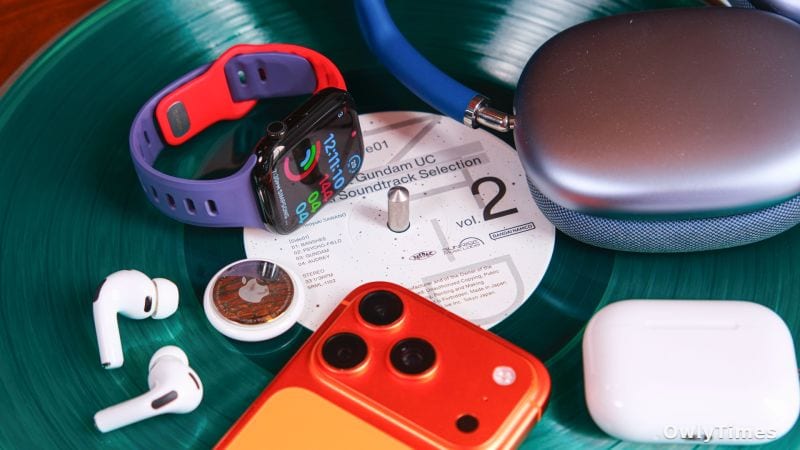

Are we really celebrating “deals” or just expertly manufactured urgency? Presidents Day sales on Apple products are, predictably, everywhere. But the real story here isn’t the discounts themselves – it’s the subtle shift in Apple’s strategy, and what it says about the current tech landscape. For years, Apple cultivated an image of premium pricing, of not needing to compete on cost. Now, even the newest AirPods Pro 3 and MacBook Air M4 are seeing significant markdowns, signaling a quiet acknowledgment that even the most loyal customers aren’t immune to economic pressures, and that competition is finally starting to bite.
This isn’t simply about Apple being generous. It’s about inventory management, and a softening demand that’s forcing even the most powerful brands to play the discount game. CNN Underscored reports 28 Apple and Beats products are currently discounted, with some hitting all-time lows – a far cry from the days of limited-time offers that barely dented the price tag. The fact that even the recently released Apple Watch Series 11 is already $100 off, just months after launch, is particularly telling. Apple isn’t clearing out old stock; they’re adjusting to a market where consumers are more discerning, and willing to wait for a better price.
The breadth of the discounts is also noteworthy. It’s not just the headline products like AirPods and MacBooks. Apple’s pushing deals on accessories – USB-C cables, power adapters, even the relatively niche Apple Crossbody Strap – indicating a desire to increase overall volume, not just move high-margin items. This is a classic retail tactic when facing a slowdown in premium sales: broaden the appeal by making the ecosystem more accessible. The $59 crossbody strap being discounted to $23 isn’t about making a killing on the accessory itself; it’s about getting more people invested in the Apple world, hoping they’ll upgrade to a new iPhone or iPad down the line.
This article draws on reporting from CNN.
But let’s be clear: these aren’t necessarily good deals in a vacuum. The hype around “lowest prices ever” needs to be viewed with skepticism. Many of these products were arguably overpriced to begin with, and the discounts simply bring them closer to what they should have cost all along. The Beats Powerbeats Pro 2, for example, are $50 off, but still represent a significant investment for workout earbuds when comparable options from Sony or Jabra are available for less. The CNN Underscored team’s rigorous testing is valuable here, but consumers still need to do their own research and compare prices across retailers.
The impact extends beyond Apple enthusiasts. This shift towards discounting puts pressure on the entire tech industry. If Apple, the brand synonymous with premium pricing, is willing to budge, it forces competitors to follow suit. This benefits consumers in the short term, but it also raises questions about long-term innovation. If profit margins are squeezed, will companies continue to invest heavily in research and development? Will we see a slowdown in groundbreaking new products? The current climate suggests a focus on incremental improvements rather than radical innovation, and these sales are a symptom of that trend.
Looking ahead, expect Apple to continue to strategically utilize discounts, particularly on newer models, to maintain market share. But don’t mistake these sales for a sign of weakness. Apple is still a remarkably profitable company, and these discounts are a calculated move to navigate a changing economic landscape. The real question isn’t if Apple will offer more deals, but when they’ll start bundling services – Apple TV+, Apple Music, iCloud storage – with hardware purchases to further lock in customers and generate recurring revenue. Watch for the emergence of “Apple One” style packages becoming increasingly prominent in future sales events.





