
The scientific challenge of identifying a novel viral outbreak is often hampered by the very symptoms that define it: because Ebola can take weeks to manifest, the window between the first infection and public recognition is frequently measured in months rather than days. As the NPR report highlights, this latency period is precisely why the current situation in the Democratic Republic of Congo has escalated from a localized medical mystery into a public health crisis with international implications.
The Complexity of the Bundibugyo Variant
While the public often associates Ebola with the well-documented Zaire species, the current outbreak is driven by the Bundibugyo species. This is a significant distinction, as previous efforts in the region have largely focused on developing and deploying vaccines tailored to the Zaire strain. According to the National Institute for Biomedical Research in Congo, this less-studied species has contributed to critical delays in initial diagnosis. When an outbreak is caused by a variant that clinicians are less accustomed to identifying, the baseline for "normal" disease surveillance is effectively shifted, allowing the pathogen to circulate unnoticed within mining communities like Mongbwalu.
Discrepancies in Data and Reporting
There is a stark contrast between official government metrics and the reality on the ground. As of Sunday, Congolese government figures reported 904 suspected cases and 119 suspected deaths. However, these figures are almost certainly an undercount of the true epidemiological burden. Because the virus was likely spreading for weeks—or months—prior to the official declaration on May 15, the denominator of potentially infected individuals remains unknown. Headlines may focus on the 119 deaths, but the real challenge for health officials is the "silent" transmission that occurred before the first known case, a nurse in Bunia, presented symptoms on April 24.
Operational Hurdles in Eastern Congo
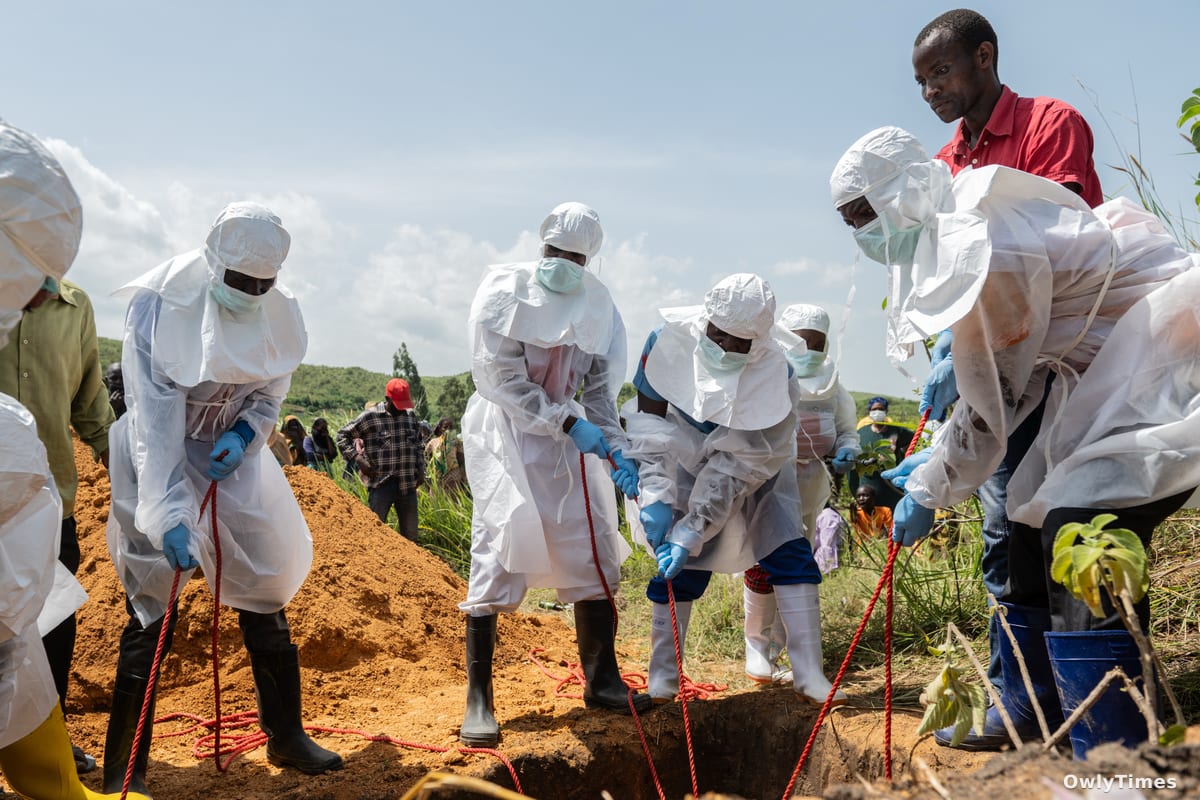
The logistical reality of containing this virus is compounded by the region’s geography and socioeconomic instability. Congo remains one of the world's five poorest nations, with the World Bank noting that over 80 percent of the population survives on less than $3 per day. In the epicenter of Ituri, the presence of armed groups like Codeco and the ADF creates a "no-go" environment for standard medical logistics. Furthermore, the reliance on gold-mining in towns like Rwampara—where unsanitary, cramped conditions are the norm—creates a high-risk environment for rapid viral replication. The death of three Red Cross volunteers, who contracted the virus while handling remains, underscores the extreme danger even for those following established safety protocols.
Limitations to Consider
It is vital to temper the alarm surrounding this outbreak with an understanding of the limitations in data collection. The "very high" risk level assigned by the World Health Organization on Friday reflects the potential for cross-border transmission, particularly given the porous land borders shared with Uganda, Rwanda, and Burundi. However, the "widespread panic" and rumors of supernatural causes mentioned in internal health ministry reports suggest that the greatest barrier to containment may be social, not just biological. When communities view treatment centers with suspicion—as evidenced by the arson attacks on clinics in Mongbwalu and Rwampara—the ability to perform contact tracing or provide supportive care is severely crippled.
Metrics for the Path Forward
The next phase of the response will be defined by whether Uganda and other neighboring states can successfully maintain border restrictions while managing their own confirmed cases. With five confirmed cases already in Uganda, the effectiveness of the current travel bans and border closures will be the primary metric to watch. If the number of cases in these transit zones stabilizes, it may suggest that current containment efforts are sufficient. If, however, the "very high" risk assessment leads to a spike in cases outside of Congo, the global health community will likely be forced to pivot toward a more aggressive international intervention strategy.