
The immediate political calculation following the shooting at Buford’s bar in Austin wasn’t about gun control or immigration – it was about containment. Specifically, containing the potential for anti-Muslim backlash and leveraging a tragedy to further a pre-existing political agenda. The speed with which Texas officials pivoted to immigration critiques and the pre-emptive framing of the suspect, Ndiaga Diagne, through the lens of religious affiliation reveals a strategic anticipation of public reaction, and a willingness to exploit it. This isn’t simply a case of politicians responding to events; it’s a demonstration of how readily violence is weaponized within existing ideological conflicts.
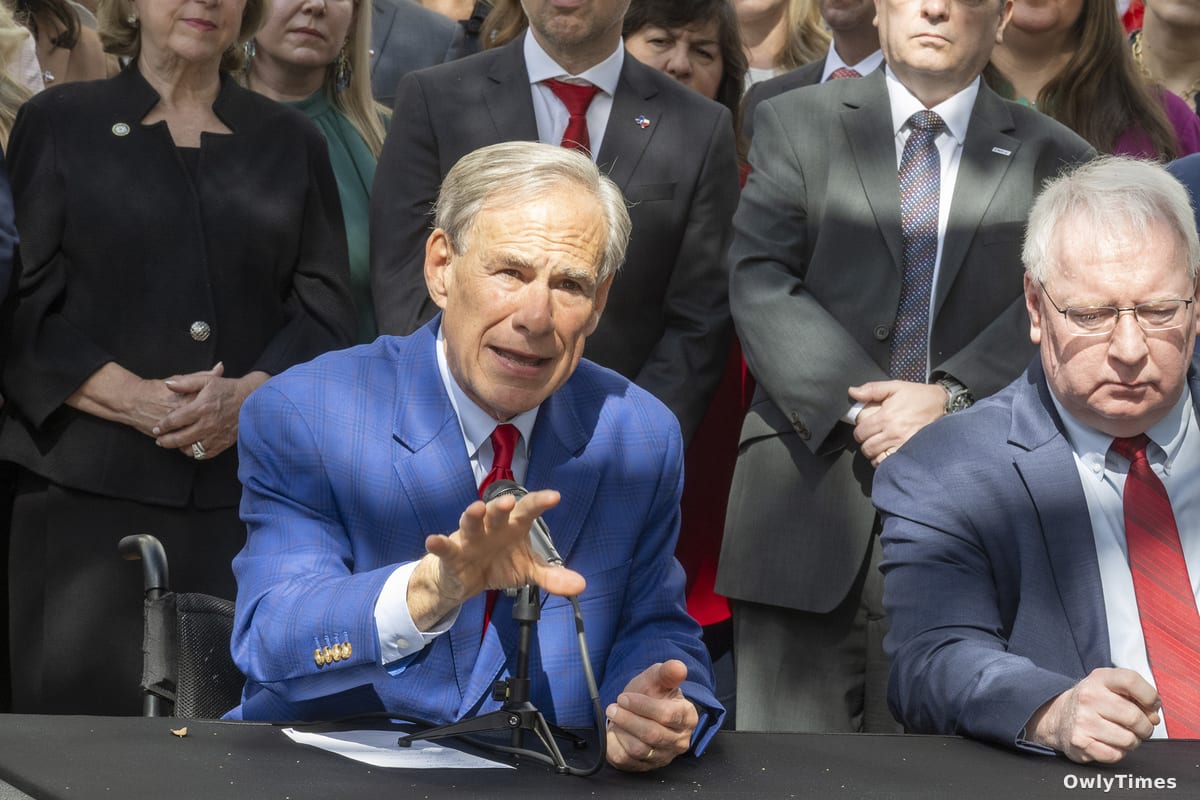
The shooting, which left two dead and fourteen wounded just before 2 a.m. on Sunday, unfolded against a backdrop of escalating hostility towards Muslim organizations in Texas. Governor Greg Abbott’s November designation of the Muslim Brotherhood and the Council on American-Islamic Relations (CAIR) as foreign terrorist organizations – a move currently challenged in court by CAIR – wasn’t an isolated incident. It was a deliberate escalation, effectively pre-positioning these groups as suspect entities in the public mind. Attorney General Ken Paxton’s subsequent lawsuit to shut down CAIR, alleging its ties to terrorism, further solidified this narrative. The timing of these actions, and the swiftness with which they were invoked following the Buford’s shooting, suggests a calculated effort to normalize suspicion and justify restrictive policies. Who benefits and who loses here is stark: conservative political factions gain leverage to pursue their agenda, while Muslim communities face increased scrutiny, fear, and potential for discrimination.
The initial focus on Diagne’s potential religious affiliation – fueled by images of him wearing a sweatshirt with “Property of Allah” and a shirt with an Iranian flag design – mirrors a historical pattern. Following major terrorist attacks, particularly those attributed to individuals identifying as Muslim, there’s a predictable surge in Islamophobia and a tendency to conflate individual actions with the beliefs of an entire faith. The aftermath of 9/11 provides a potent example, where widespread anti-Muslim sentiment led to increased hate crimes, discriminatory policies, and a climate of fear. This pattern isn’t accidental; it’s a consequence of pre-existing biases and the deliberate amplification of those biases by political actors. Austin Councilmember Zo Qadri, the first Muslim elected to the city council, acutely understands this dynamic, expressing immediate concern not just for the city, but for the vulnerability of his community. His worry, as he articulated, stems from the fear that “innocent people who have nothing to do with this” will become targets of prejudice and violence.
This article draws on reporting from texastribune.org.
The FBI’s acknowledgement of potential terrorist links, while necessary for investigation, also carries political weight. The ambiguity surrounding Diagne’s motive – investigators state it’s too early to definitively declare one – is overshadowed by the emphasis on symbols that align with pre-existing narratives about Islamic extremism. This selective highlighting of evidence, even in the early stages of an investigation, reinforces the pre-emptive framing of the suspect and fuels the very anxieties Qadri fears. This tactic isn’t new. Throughout history, governments have strategically used national security concerns to justify curtailing civil liberties and targeting minority groups. The Alien and Sedition Acts of 1798, passed during a period of heightened fear of foreign influence, serve as a historical precedent for how anxieties can be exploited to suppress dissent and marginalize specific communities.
The response from within the Muslim community itself reveals a complex dynamic. Sajid Iqbal, an imam in the outskirts of Austin, embodies a commitment to peace and interfaith dialogue, emphasizing the motto of his mosque: “love for all, hatred for none.” Yet, he acknowledges the pain and frustration felt when Muslims are collectively blamed for the actions of individuals. This highlights a fundamental tension: the expectation that Muslims must constantly disavow violence committed by others, while similar demands are rarely placed on members of other faiths. Haris Tarin of the Muslim Public Affairs Council points to a broader pattern of political exploitation, arguing that tragedies are “used…rather than focusing on what the core issue is, whether it’s mental health or something else.” This observation cuts to the heart of the matter: the shooting at Buford’s isn’t simply a law enforcement issue; it’s a political opportunity for those seeking to advance a specific agenda.
The blood drive organized by Qadri’s office on Monday, while a commendable act of community service, also functions as a symbolic gesture of solidarity and a demonstration of leadership. It’s a deliberate attempt to counter the negative narratives and project an image of inclusivity and resilience. But the underlying political chess move to watch next isn’t about gestures; it’s about legislative action. Will Governor Abbott and Attorney General Paxton use this tragedy to further justify their attacks on Muslim organizations, perhaps by expanding the scope of their designations or introducing new restrictive legislation? The answer to that question will reveal the true extent to which this tragedy is being exploited for political gain.





