
A $200 Billion Market Finds Comfort in Custom Stitching
A staggering 1 in 31 children now diagnosed with autism – a figure that has risen steadily over the last decade – is driving unexpected growth in a niche market: therapeutic textiles. While pharmaceutical interventions and behavioral therapies dominate the conversation around autism care, a Hartville, Ohio-based business, Sensational Sewing Studio LLC, founded in March 2025 by Cara Burnham, is capitalizing on a growing demand for sensory-focused products, specifically weighted blankets. This isn’t simply a feel-good story; it’s a demonstration of how unmet needs within a rapidly expanding healthcare demographic are creating opportunities for agile, specialized manufacturers.
This article draws on reporting from spectrumnews1.com.
The economic implications of autism are substantial. The latest estimates place the total cost of autism – including medical care, education, and lost productivity – at over $268 billion annually in the United States alone. While government funding and insurance coverage address some of these costs, a significant portion falls on families, fueling a parallel market for supportive products. Burnham’s venture taps directly into this demand, offering a personalized alternative to mass-produced weighted blankets. The fact that 40% of children with autism are nonverbal underscores the importance of non-pharmacological interventions that address sensory processing differences, a core feature of the disorder as defined by the Center for Disease Control.
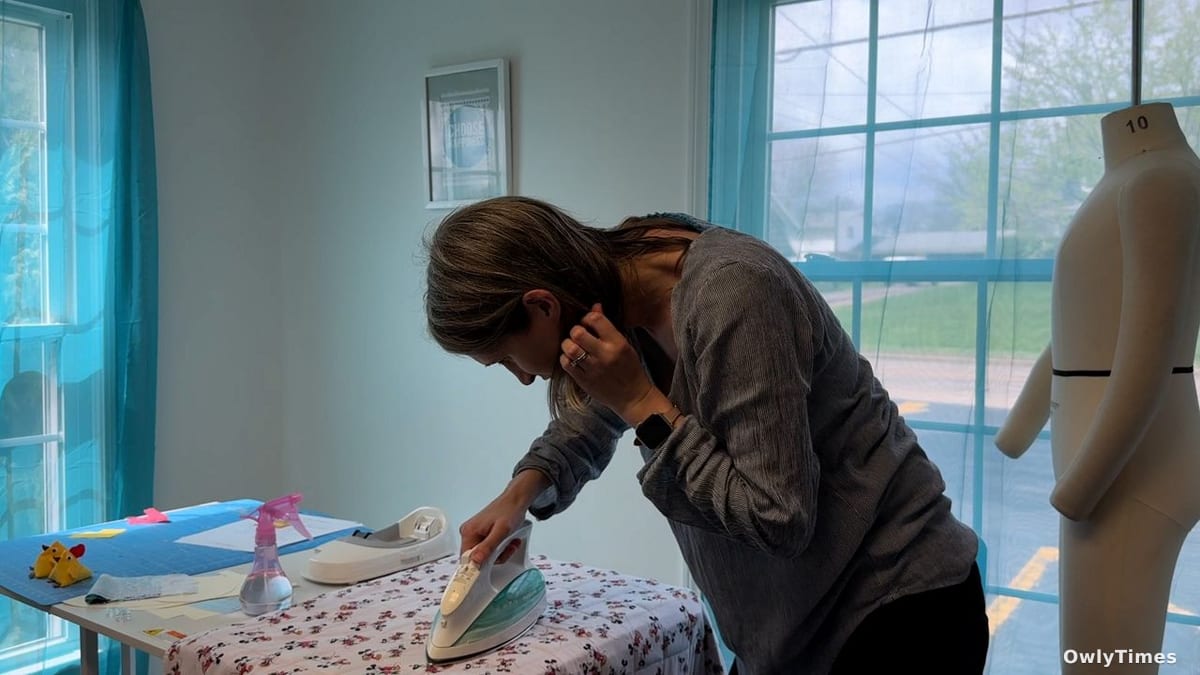
Burnham’s path to entrepreneurship was directly shaped by her son Rowan’s diagnosis at age four. Initially trained in formal wear design, she pivoted her skills to create custom weighted blankets after observing their positive impact on Rowan’s anxiety levels. This personal connection is a key differentiator. Unlike larger companies, Sensational Sewing Studio LLC offers bespoke designs, tailoring weight and size to individual needs. This customization commands a premium price point – blankets range from $100 to $250 – but resonates with parents seeking targeted solutions. The Cleveland Clinic’s research supporting the use of deep pressure stimulation, the therapeutic principle behind weighted blankets, further validates the product’s efficacy and justifies the investment for many families.
The business model extends beyond direct sales. Burnham leverages online platforms, pop-up events, and a dedicated sensory store to reach customers. Crucially, she’s also integrated sewing classes into the business, fostering a community around the product and providing a potential revenue stream diversification. This community aspect is vital. Burnham explicitly frames her work as advocacy, recognizing the need for increased awareness and acceptance of autism. This isn’t just marketing; it’s building brand loyalty within a tight-knit demographic that actively seeks out businesses aligned with their values. The fact that Rowan and his sister Eve actively participate in the business further strengthens this connection, presenting an authentic narrative that resonates with potential customers.
However, the long-term sustainability of Sensational Sewing Studio LLC hinges on navigating potential challenges. The therapeutic textile market is attracting attention, with larger players beginning to enter the space. Maintaining a competitive edge will require continued innovation in design and materials, as well as a robust marketing strategy to differentiate the brand. Furthermore, securing consistent supply chains for the millions of tiny beads used in the blankets will be critical to meeting growing demand. What this means for your wallet: expect to see increased competition – and potentially lower prices – in the weighted blanket market, but also a continued premium for truly customized, small-batch products like those offered by Sensational Sewing Studio LLC. The key question for investors and consumers alike is whether this personalized approach can withstand the pressures of scaling and mass production.





