
$200 per party: The surprising economics of campus magic
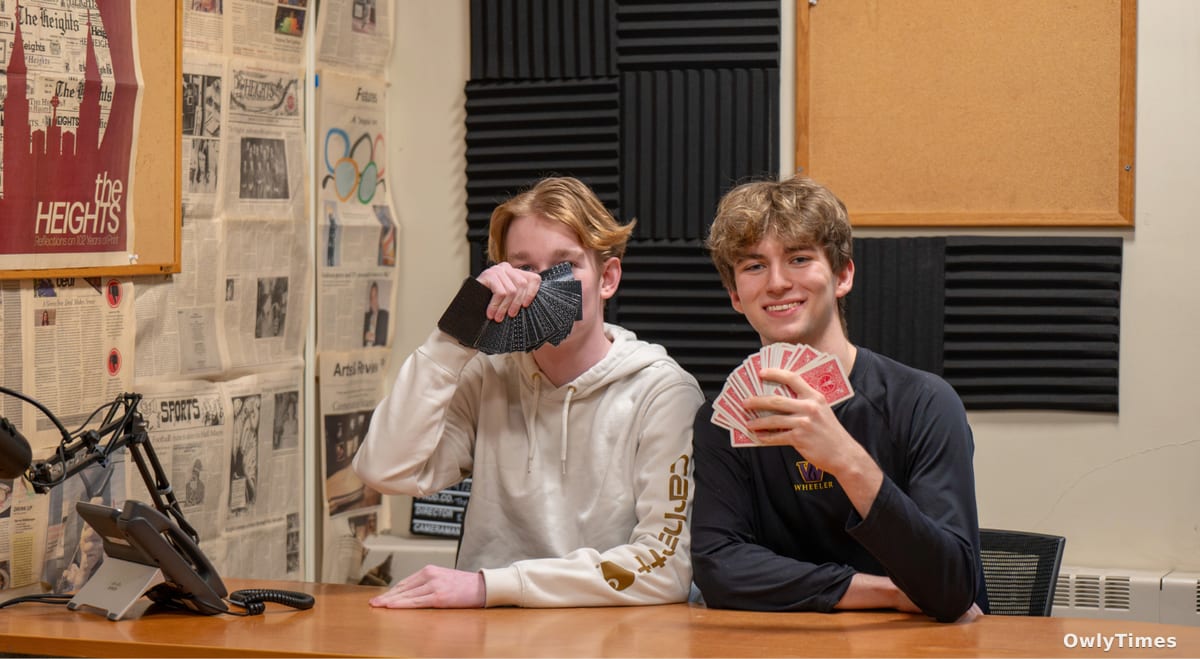
For many Boston College students enjoying a January meal in Mac, the entertainment came free with their dining hall access: a card trick performed tableside. But what began as a campus pastime for Alden Beals and Jackson Dhane, both MCAS ’29, is rapidly solidifying into a legitimate, if unconventional, small business. While the duo hasn’t disclosed overall revenue, confirmed bookings at $200 per birthday party – secured through word-of-mouth alone – suggest a surprisingly viable micro-enterprise is taking shape, fueled by a low overhead and high-demand entertainment niche.
The genesis of Purple Rain Magic, as the pair have dubbed their venture, wasn’t a meticulously planned business launch. According to Beals, the idea materialized during a wait in line at El Jefe’s Taqueria. “People were really impressed by what we were doing,” he recounted, highlighting the immediate market validation. This initial positive response, a crucial signal in any nascent business, prompted them to consider monetization. The speed of this transition – from casual performance to booked gigs within weeks – underscores the power of identifying unmet demand and capitalizing on readily available skills.
This piece references the bcheights.com report.
The business model itself is remarkably lean. Initial investment is limited to decks of cards and the time spent perfecting routines. Unlike traditional startups requiring significant capital for inventory or marketing, Purple Rain Magic relies on direct engagement and organic growth. Dhane emphasizes the effectiveness of word-of-mouth, noting how a single trick can quickly attract a group of onlookers. This viral potential, amplified by social media – including an impromptu performance for TikTok personality “Chopped Chin” – represents a significant competitive advantage. The cost of acquiring a customer, therefore, is minimal, maximizing profit margins on each booking.
However, the reliance on word-of-mouth also presents a scalability challenge. While current demand appears strong, expanding beyond the immediate Boston College and surrounding university network will require a more proactive marketing strategy. The duo’s recent efforts to perform at parties, described by roommate Oliver Peck as requiring “a lot of nerve,” demonstrate an understanding of this need. This direct outreach, while effective, is time-intensive and limits the number of potential clients they can reach. The current growth trajectory suggests a potential revenue ceiling unless they invest in broader promotional efforts.
The internal dynamics of Purple Rain Magic also reveal a fascinating, if informal, R&D process. Both Beals and Dhane’s roommates, Drew Webster and Peck respectively, serve as unwitting test audiences, providing crucial feedback on new routines. This iterative development, fueled by real-time reactions, allows the duo to refine their performance and minimize the risk of failed tricks – a risk Beals acknowledges happens, requiring quick improvisation. This reliance on peer review, while cost-effective, highlights the importance of a supportive network in a creative venture. Despite occasional negative feedback on platforms like Fizz, the overall response has been positive, with observers like Webster noting the opportunity for “a little bit of money while doing something he likes.”
What this means for your wallet: The success of Purple Rain Magic isn’t just a feel-good story about entrepreneurial college students. It’s a demonstration of the power of identifying a low-cost, high-demand service. Consider the broader implications: what other readily available skills are being underutilized on campus? Are there opportunities to monetize hobbies or talents in a similar fashion? The key takeaway isn’t necessarily to become a magician, but to recognize that even small-scale ventures can generate income with minimal investment, particularly when leveraging existing social networks. The question now is whether Beals and Dhane can translate this initial momentum into a sustainable business model, or if Purple Rain Magic will remain a charming, but ultimately limited, side hustle. Will they invest in marketing to broaden their reach, or continue to rely on organic growth and risk plateauing?





