
25 minutes is the transit time currently separating the Edison Park Metra station from the proposed Arlington Park stadium site, a corridor that local business owners are eyeing as a potential economic lifeline. As Illinois lawmakers advance the so-called "mega projects" bill—legislation that would provide property tax relief for a multi-billion-dollar stadium development—the ripple effects are being calculated far beyond the footprint of the former Arlington Park Racetrack.
Following the Infrastructure Footprint
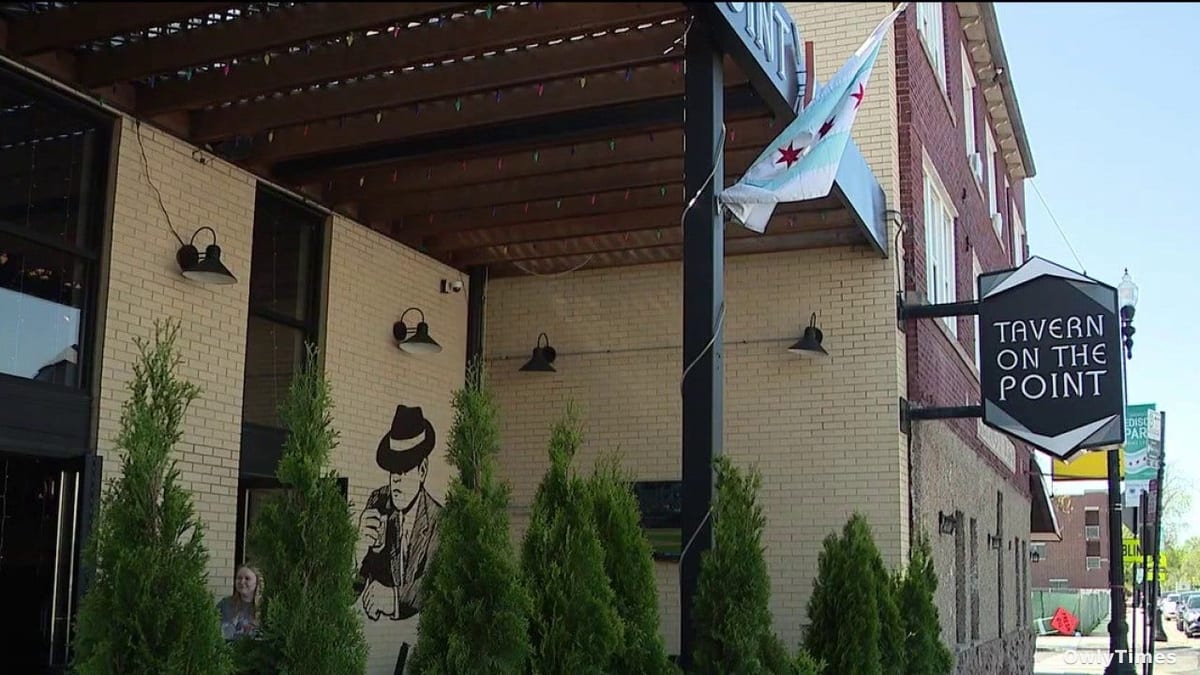
For the owners of bars and restaurants along Northwest Highway, the potential move of the Chicago Bears represents a return to a high-traffic model that defined the area for years. The business case relies on a simple logistical flow: fans utilizing the UP Northwest Line to funnel into the stadium, then cycling back into city neighborhoods for post-game commerce. John Capesius, owner of Tavern On The Point, notes that the neighborhood has historically thrived on this "stopover" economy, recalling peak business nights during the former racetrack’s "party in the park" events.
However, the reality of this economic boost remains tethered to the operational capacity of Metra. While the transit agency is acknowledging the potential shift, the specifics remain unquantified. Michael Gillis, Metra’s communications director, confirmed that the agency has considered the necessity of adding service to the UP Northwest Line to accommodate stadium-bound crowds. Crucially, Gillis noted that no station-by-station analysis has been conducted, leaving the specific volume of foot traffic—and the resulting revenue impact for Edison Park businesses—as an unknown variable in the broader fiscal equation.
Measuring the Recovery
The urgency behind the push for this development is rooted in the recent history of local commercial survival. Amanda Harres, executive director of the Edison Park Chamber of Commerce, reports that the neighborhood lost six businesses during the pandemic. While the area has seen a resurgence with the opening of 13 new businesses in recent years, the business community views the stadium project as a necessary catalyst for sustained growth.
For proprietors like Capesius, who navigated the opening of his establishment during the pandemic, the prospect of a stadium is viewed through the lens of historical precedent. The ability to capture "new blood" and out-of-town visitors is seen as the primary mechanism for scaling revenue. Harres emphasizes that because the neighborhood lacks large-scale commercial development, the influx of suburban and regional visitors funneling through the Metra stop is vital for the 20-plus-year veterans of the local business community.
Investor and Consumer Takeaway
For those monitoring the financial health of the far northwest side, the immediate indicator of this project’s viability will be the final legislative language of the "mega projects" bill and the subsequent service-load studies released by Metra. Investors should look for updates on the UP Northwest Line service capacity; if the agency confirms a dedicated express and local train rotation, the probability of increased revenue for Edison Park’s hospitality sector rises significantly. The next reading of Metra’s operational service plans will determine whether the "astronomically amazing" economic impact projected by local business leaders becomes a tangible reality or remains a speculative upside for the neighborhood.





