
The Strategic Re-Emergence of a Former President
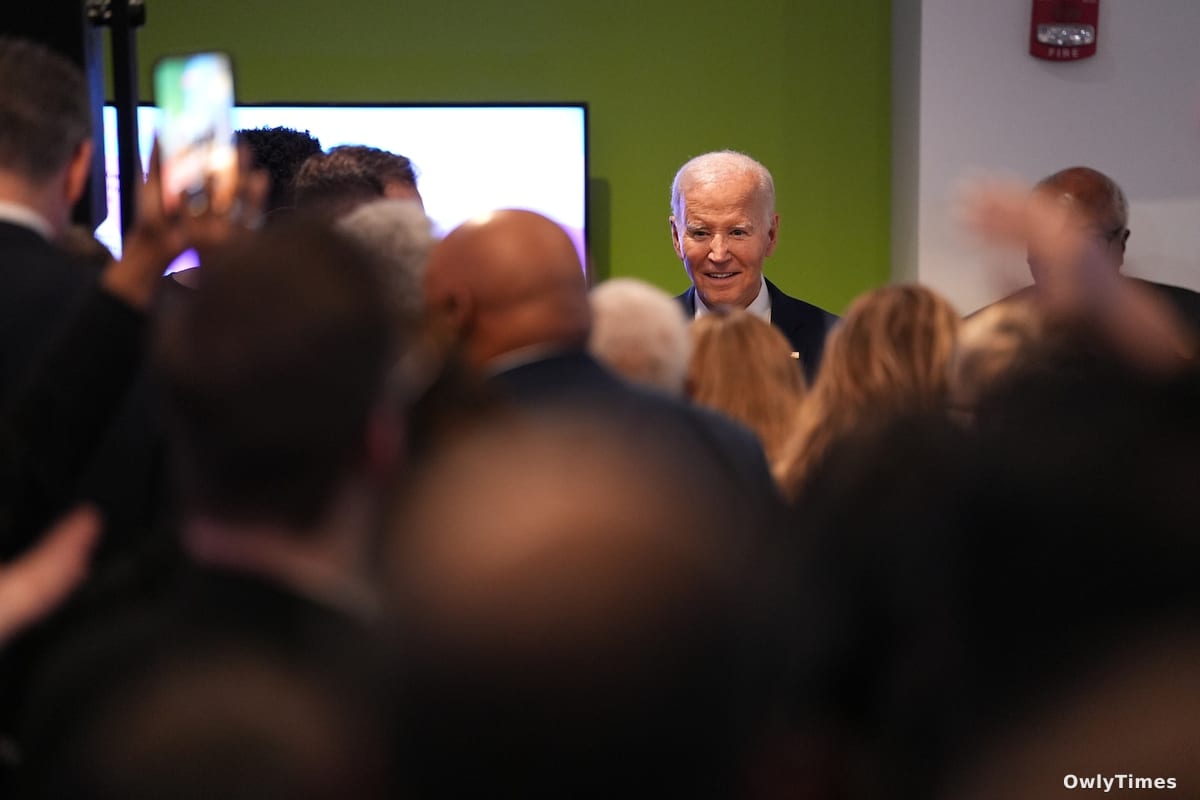
Joe Biden’s appearance before the South Carolina Democratic Party on February 27, 2026, wasn’t a nostalgic victory lap, but a calculated move in a post-presidency increasingly defined by subtle power plays and the positioning for future influence. The warm reception in Columbia, reported by the Associated Press, isn’t simply a testament to gratitude for the 2020 resurrection; it’s a demonstration of continued organizational loyalty – a resource any former president seeks to maintain, particularly one whose recent electoral history is shadowed by Donald Trump’s return. The strategic calculus here isn’t about 2028, but about 2024’s aftermath and the ongoing battle for the Democratic Party’s ideological direction. This visit wasn’t about reminding anyone he was president, but reminding key players he still is a force within the party.
The Calculus of Scorn and Support
The contrast highlighted by the AP – “scorn in many corners” versus “political hero” in South Carolina – is the crux of understanding Biden’s current position. His failed 2024 re-election bid, culminating in Trump’s return, undeniably damaged his national standing. However, that damage isn’t uniform. South Carolina, as the state that dramatically shifted the momentum of his 2020 campaign after early losses in Iowa and New Hampshire, represents a pocket of unwavering loyalty. Who benefits from nurturing this loyalty? Primarily, Biden himself. A base of support, even a regional one, provides leverage in shaping the party’s future discourse and potentially influencing candidate selection. Who loses? Potentially, those within the Democratic Party advocating for a complete break with the past, those eager to declare the “Biden era” definitively closed. The 2024 results saw a 15% swing towards Republicans in key swing states, a figure that continues to fuel internal debate about the party’s messaging and candidate viability.
This piece references the The Washington Post report.
A Historical Echo of Post-Presidency Power
This dynamic isn’t new. Consider Harry Truman’s post-presidency. Though initially dismissed after losing ground to Dwight D. Eisenhower in 1952, Truman remained a vocal and influential figure within the Democratic Party, particularly on foreign policy. He actively shaped the debate around the Korean War and the emerging Cold War, leveraging his experience and established network. Similarly, Jimmy Carter, despite his 1980 defeat, built a powerful post-presidency focused on human rights and international mediation, becoming a globally recognized figure and a consistent voice within the Democratic sphere. Biden’s move mirrors this pattern: utilizing a core base of support to maintain relevance and exert influence, even outside the Oval Office. The key difference, however, is the context of a second Trump presidency – a scenario that fundamentally alters the political landscape and intensifies the need for a unified opposition, even if that opposition is internally fractured.
The South Carolina Firewall and Future Fundraising
The significance of South Carolina extends beyond symbolic gratitude. The state’s early primary position gives it disproportionate influence in the nomination process. Maintaining strong relationships with South Carolina Democrats translates to potential fundraising advantages and organizational support should Biden choose to play a kingmaker role in future elections. While he hasn’t explicitly signaled such intentions, the optics of this visit suggest a deliberate effort to keep those options open. The Democratic National Committee (DNC) reported a 22% decrease in small-dollar donations in the quarter following the 2024 election, indicating a need for robust fundraising networks. A former president with a loyal base is a valuable asset in that regard. The question is whether Biden will leverage this asset to support a specific candidate or to promote a broader ideological agenda within the party.
The Next Chess Move: Shaping the 2028 Narrative
The political chess move to watch isn’t whether Biden will run again – that seems highly unlikely. It’s whether he will actively endorse a candidate for the 2028 presidential nomination before the primaries begin. A premature endorsement could be seen as divisive, potentially alienating other contenders and triggering an internal party struggle. However, remaining silent risks allowing the narrative to be shaped by others, potentially pushing the party in a direction Biden doesn’t favor. The timing and nature of his eventual endorsement – or lack thereof – will reveal the extent of his ambition and the true strategic purpose behind this carefully orchestrated return to the spotlight in South Carolina.





