
The escalating rhetoric surrounding a potential military strike against Iran isn’t simply about nuclear negotiations; it’s a calculated pressure tactic designed to exploit a specific vulnerability in the current geopolitical landscape: the perceived weakness of a lame-duck administration. President Trump’s extension of the negotiation timeline to 10-15 days, coupled with the visible amassing of U.S. military assets in the region, isn’t a sign of escalating desperation, but a demonstration of leverage – a final, high-stakes gamble before leaving office. The core strategic calculation is to force a deal, any deal, before the incoming Biden administration potentially re-engages with Iran on different terms.
The timing is critical. The Supreme Court’s recent ruling against Trump’s sweeping emergency tariffs, while seemingly unrelated, underscores a broader trend: a diminishing capacity for the President to unilaterally impose his will through executive action. This legal check, alongside the growing scrutiny of his actions – evidenced by the ongoing release of unredacted Epstein files and accusations of a “cover-up” from figures like Hillary Clinton – constrains his maneuvering room. A military action, even a “limited strike,” offers a final opportunity to assert control and shape the narrative before relinquishing power. Who benefits and who loses from this scenario is starkly defined: Trump benefits from a potential diplomatic win, bolstering his legacy; Iran risks military escalation and a potentially unfavorable deal; and the Biden administration is left to inherit a volatile situation, potentially boxed into accepting terms they wouldn’t have otherwise considered.
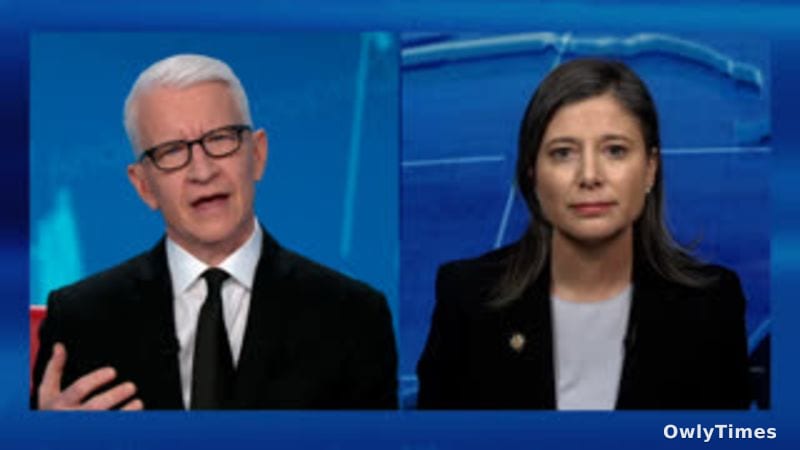
Drawn from CNN.
This isn’t a novel strategy. The historical parallel to the Clinton administration’s bombing campaign in Kosovo in 1999 is instructive. Facing impeachment proceedings and a waning second term, Bill Clinton authorized military intervention to halt ethnic cleansing, simultaneously projecting strength and diverting attention from domestic political woes. While the contexts differ – the urgency of humanitarian crisis in Kosovo versus the nuclear ambitions of Iran – the underlying dynamic is similar: a president utilizing military force to shape their legacy and influence future policy. However, the Kosovo intervention occurred with broader international consensus and NATO support, something conspicuously absent in the current situation. The lack of unified allied support significantly raises the risk of miscalculation and unintended consequences.
The legal constraints on presidential war powers, as highlighted by Democratic Rep. Maggie Goodlander’s assertion that Trump “does not have boundless power to wage war,” are also a crucial factor. This isn’t merely a legal debate; it’s a power struggle between the executive branch and Congress, a tension that has been steadily increasing since the post-9/11 era. The War Powers Resolution of 1973, intended to limit the president’s ability to commit U.S. forces to armed conflict without congressional approval, has been consistently tested and often circumvented. A unilateral strike against Iran would almost certainly trigger a constitutional crisis, with Congress likely to challenge the legality of the action. This potential for legal backlash adds another layer of complexity to Trump’s calculus.
Beyond the immediate geopolitical implications, the internal political dynamics within the U.S. are also at play. The ongoing fallout from the 2020 election, coupled with the increasingly polarized political climate, creates a volatile environment where any misstep could have significant repercussions. Even seemingly unrelated events, like the public dispute between Stephen Colbert and CBS – fueled by alleged threats from the Trump-appointed FCC – demonstrate the heightened sensitivity and fragility of the current media landscape. The question isn’t simply whether Trump will order a strike, but whether he can navigate the legal, political, and international obstacles to do so effectively. The next political chess move to watch isn’t a military order, but the reaction from key Congressional leaders – specifically, whether they will proactively attempt to constrain the President’s options through legislation or public statements in the next 72 hours.





