
Beyond Bricks and Mortar: The VA’s Infrastructure Push and the Quiet Crisis of Veteran Wellbeing
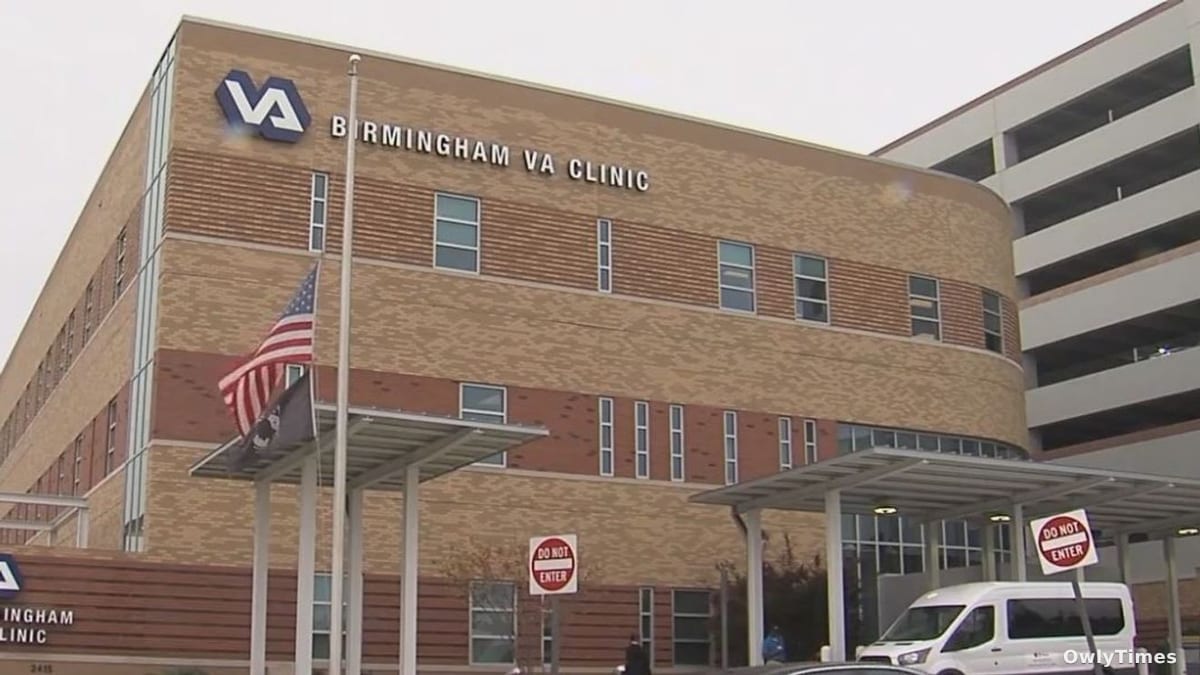
The headlines proclaim a $4.8 billion investment in VA hospitals, and rightly so – aging infrastructure is a persistent problem for the Veterans Health Administration. But framing this as just a facilities upgrade misses a crucial point: the VA’s recent actions, including this substantial funding allocation and a new program addressing veteran loneliness, represent a coordinated response to a growing recognition that healthcare extends far beyond clinical walls. The Birmingham VA Health Care System, set to receive a portion of these funds in the first quarter of fiscal year 2026, is poised to implement upgrades to negative pressure rooms, modernize electronic health record infrastructure, and undertake broader facility recapitalization. While these improvements are vital, they are best understood as components of a larger strategy to address the holistic needs of a veteran population facing unique challenges.
Drawn from abc3340.com.
The VA’s announcement on February 26, 2026, detailing the infrastructure investment, arrives alongside data demonstrating significant progress in core service delivery. Since January 20, 2025, the department reports a 60% reduction in the backlog of veterans awaiting benefits, the elimination of waitlists for family healthcare access, and a record 3 million disability claims processed by September 30th. They’ve also expanded access with 25 new clinics nationwide and over 1.9 million appointments scheduled outside of regular hours. These are not merely bureaucratic achievements; they represent tangible improvements in the lives of veterans who have historically faced frustrating delays and systemic barriers. However, the simultaneous launch of a program specifically targeting veteran loneliness suggests these gains in access aren’t enough. The VA is acknowledging that simply getting care isn’t the same as receiving care that truly supports wellbeing.
The Rising Tide of Social Isolation and the VA’s Response
The new program to combat loneliness is particularly noteworthy. While the details remain somewhat sparse, its very existence signals a shift in the VA’s understanding of veteran health. Social isolation isn’t simply a matter of feeling sad; it’s a recognized risk factor for a host of physical and mental health problems, including cardiovascular disease, depression, and cognitive decline. Veterans, particularly those who served in recent conflicts, are disproportionately vulnerable due to factors like deployments, frequent relocations, and the challenges of reintegrating into civilian life. The VA’s acknowledgement of this issue, and the allocation of resources to address it, is a departure from a historically more medically-focused approach. Dr. Oladipo Kukoyi, CEO and Executive Director of the Birmingham VA Health Care System, emphasized the connection, stating, “Improved facilities, equipment and infrastructure mean better care for Veterans, and these funds will enable the Birmingham VA Health Care System to achieve that goal.” This statement, while focused on the physical upgrades, implicitly acknowledges that “better care” encompasses more than just medical treatment.
The timing of these initiatives is also significant. The $4.8 billion investment through the Veterans Health Administration’s Non-Recurring Maintenance program comes after years of scrutiny regarding the condition of VA facilities. Reports of mold, outdated equipment, and inadequate space have been commonplace, contributing to concerns about the quality of care. This funding isn’t simply about aesthetics; it’s about creating environments conducive to healing and providing clinicians with the tools they need to deliver effective treatment. Upgrades to negative pressure rooms, for example, are critical for infection control, a lesson painfully learned during the COVID-19 pandemic. Modernizing electronic health records is essential for seamless care coordination and reducing medical errors.
Limitations to Consider: Funding and Implementation Challenges
Despite the positive momentum, several limitations warrant consideration. $4.8 billion, while substantial, is a drop in the bucket compared to the estimated $50 billion needed to fully address the VA’s infrastructure backlog. This means that improvements will likely be prioritized based on need and available resources, potentially leaving some facilities lagging behind. Furthermore, the success of these projects hinges on effective implementation. Past VA initiatives have been plagued by delays, cost overruns, and bureaucratic hurdles. The modernization of the electronic health record system, in particular, has been a source of ongoing challenges.
The VA’s data on reduced backlogs and increased access, while encouraging, also requires careful interpretation. A 60% reduction in the benefits backlog is significant, but it doesn’t reveal the nature of those claims. Were the resolved claims primarily straightforward cases, or did the VA successfully address complex and long-standing issues? Similarly, increasing the number of appointments doesn’t necessarily equate to improved quality of care. It’s crucial to monitor patient satisfaction and health outcomes to assess the true impact of these initiatives. The program addressing loneliness also faces an uphill battle. Measuring the effectiveness of interventions designed to combat social isolation is notoriously difficult, and ensuring that the program reaches veterans who need it most will require targeted outreach and culturally sensitive approaches.
Looking Ahead: Measuring Wellbeing and the Future of Veteran Care
The next crucial step is to develop robust metrics for assessing veteran wellbeing, beyond traditional clinical indicators. The VA needs to track not only physical and mental health outcomes, but also measures of social connectedness, quality of life, and overall satisfaction with care. This will require investing in research to identify effective interventions for addressing loneliness and social isolation, and tailoring those interventions to the specific needs of different veteran populations. We should expect to see pilot programs testing innovative approaches, such as peer support groups, community-based activities, and telehealth interventions designed to foster social connection.
The question now is whether the VA can translate these investments and initiatives into tangible improvements in the lives of veterans. Will the modernized facilities and streamlined processes lead to better health outcomes and a greater sense of wellbeing? And, perhaps more importantly, will the VA’s commitment to addressing loneliness signal a fundamental shift towards a more holistic and person-centered approach to veteran care? The coming years will reveal whether this coordinated effort represents a genuine turning point, or simply another incremental step in a long and ongoing journey.