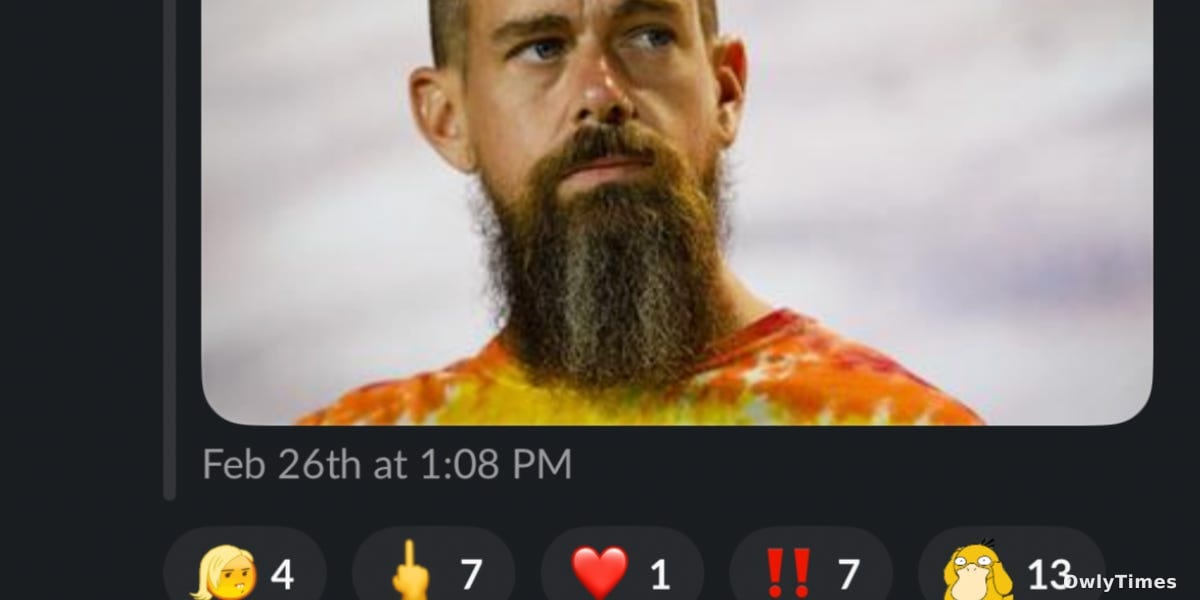

3,807. That’s the current membership of the “Square Mafia,” a Slack channel comprised entirely of former Block employees – a number that’s surged in the wake of the company’s recent layoffs. While the image of a digital water cooler for ex-staffers might seem innocuous, the rapid growth of this group reveals a deeper trend: the increasing precarity of tech employment and the evolving power dynamics between employer and employee. The “Square Mafia” isn’t just a support group; it’s a quantifiable consequence of Jack Dorsey’s decision to slash nearly half of Block’s workforce – over 4,000 people – and a signal of the network effects that remain even after employment ends.
Follow the money, and the story isn’t simply about individual hardship, but about a strategic pivot at Block that prioritizes profitability over personnel. The layoffs, announced on Thursday, followed a period of aggressive expansion under Dorsey, including a significant push into the cryptocurrency space. While Block’s stock price saw a modest bump following the announcement – a detail noted with “rage” by members of the Slack channel – the cuts represent a fundamental recalibration. In 2023, Block reported a net loss of $141 million, a stark contrast to the $1.4 billion profit reported in 2022. This financial pressure, coupled with increased scrutiny from investors, directly precipitated the workforce reduction. The company is now betting on streamlining operations and focusing on core products like the Cash App and Square POS system.
The “Square Mafia” itself has a surprisingly long history, dating back to February 2016. This longevity suggests a consistent outflow of talent from Block, even during periods of growth. The channel’s continued existence, and its ability to rapidly absorb new members after the latest cuts, highlights the enduring bonds formed within the company. The organizers’ swift implementation of a bot to manage job postings and visa concerns – particularly crucial for employees on H-1B visas facing a 60-day window to secure new employment – demonstrates a level of proactive support that Block itself did not provide. This is a critical point: the company created the conditions for this external support network to flourish by failing to adequately address the needs of departing employees.
Source material: Business Insider.
Beyond the immediate crisis of job searching, the Slack channel is attempting to recreate the internal culture of Block, with channels dedicated to hobbies like gaming, books, and even “dank memes.” This isn’t mere nostalgia; it’s a strategic attempt to preserve the intellectual capital and social connections that Block has effectively dispersed. The value of this network shouldn’t be underestimated. A 2022 study by Harvard Business Review found that strong employee networks can increase innovation by up to 15% and improve employee retention by 20%. By allowing this network to exist outside of its control, Block is potentially forfeiting a significant competitive advantage.
The situation at Block is emblematic of a broader trend in the tech industry. Layoffs at major companies like Google, Meta, and Amazon have created a surplus of skilled workers, driving down salaries and increasing competition for jobs. The rise of these “mafia” networks – similar groups exist for former employees of companies like Twitter and Uber – suggests a growing distrust in traditional employer-employee relationships. The fact that 24 new members joined the “Square Mafia” within an hour of the layoff announcement underscores the speed and scale of this disruption.
What this means for your wallet: as tech companies continue to prioritize efficiency over headcount, expect to see more of these independent support networks emerge. For investors, this signals a potential loss of institutional knowledge and a risk of talent migrating to competitors. For consumers, it could mean slower innovation and potentially higher prices as companies consolidate their resources. The key question now is whether Block can successfully execute its restructuring plan without losing the intangible benefits of the network it inadvertently fostered – and whether other tech companies will learn from this example before they find themselves facing a similar “mafia” of their own.





