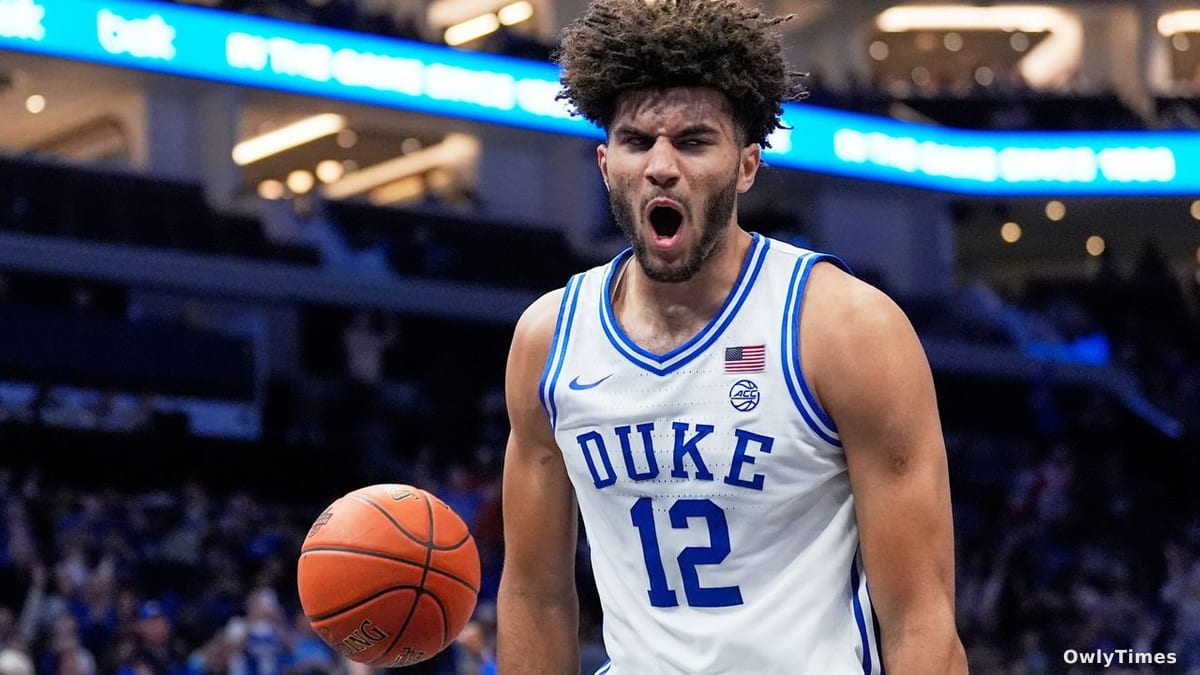

The image was stark: Cameron Boozer, eyes swollen shut, still battling for position under the UConn basket in the final minutes of Duke’s Elite Eight run. It wasn’t a moment of glory, but a brutal illustration of everything that defined his freshman season – a relentless, physical commitment to winning that ultimately earned him the Associated Press National Player of the Year award. But beyond the headlines of points per game and tournament brackets, Boozer’s ascent speaks to a larger shift in college basketball, one where the one-and-done narrative is evolving into something more focused, more driven, and frankly, more immediately impactful.
This isn’t simply a story about a talented kid having a good year. Boozer, averaging 22.5 points and 10.2 rebounds, is the fifth freshman ever to claim the AP’s top honor, and the second consecutive Blue Devil – following Cooper Flagg – to do so. Duke now boasts nine AP winners, surpassing UCLA’s five, a testament to a program consistently attracting and developing elite talent. But the sheer volume of accolades feels secondary to how Boozer achieved them. He didn’t just score; he absorbed contact, fought for rebounds, and consistently delivered in Duke’s biggest games, including a 35-point outburst against Arkansas in November and 29 against defending champion Florida. This isn’t the flashy, perimeter-focused game that often defines modern college stars; it’s a throwback to a more interior, fundamentally sound style.
The cultural resonance of Boozer’s success is tied to the changing landscape of college athletics. The era of players staying four years is largely over, but the expectation isn’t just to declare for the NBA after a single season, it’s to arrive on campus ready to dominate. Boozer, the son of longtime NBA player Carlos Boozer, embodies this shift. He didn’t need a year to adjust to the college game; he arrived prepared to lead, averaging 4.1 assists alongside his scoring and rebounding numbers. This immediate impact isn’t accidental. It’s a product of a youth basketball system increasingly focused on skill development and professional preparation, blurring the lines between amateur and professional training. The fact that AJ Dybantsa of BYU received two votes for the award, averaging a nation-leading 25.5 points, further underscores this trend – the next generation of stars are arriving with NBA-ready skillsets.
Reporting from Spectrum News informs this analysis.
What’s particularly striking is Boozer’s perspective on pressure. In a world saturated with social media scrutiny and relentless expectations, he credits preparation and faith with keeping him grounded. “I think just being prepared alleviates pressure,” he said, echoing a sentiment his twin brother, Cayden Boozer, confirmed – Cameron has always possessed an ability to “flush it” and move on from setbacks. This mental fortitude, coupled with his physical dominance, is what separates him from many other highly touted recruits. It’s a lesson in resilience, a reminder that even in the face of intense pressure, focused preparation and self-belief can prevail. The narrative around young athletes often focuses on the burden of expectation, but Boozer demonstrates the power of embracing it through diligent work.
Duke’s success with Boozer and Flagg isn’t just about recruiting talent; it’s about creating a culture that allows these players to thrive. Associate Head Coach Chris Carrawell highlighted the program’s recent streak of landing elite freshmen, suggesting a deliberate strategy for player development and team building. But the question now is whether this model is sustainable. Can Duke continue to attract and cultivate this level of talent in an era of increasing transfer portal activity and NIL (Name, Image, Likeness) deals? Will other programs adapt and replicate their success, or will Duke maintain its competitive edge? The future of college basketball may well hinge on the answer. We’re entering a new era where freshman dominance isn’t an anomaly, but an expectation – and the programs that can consistently deliver will be the ones writing the next chapter of the game.

