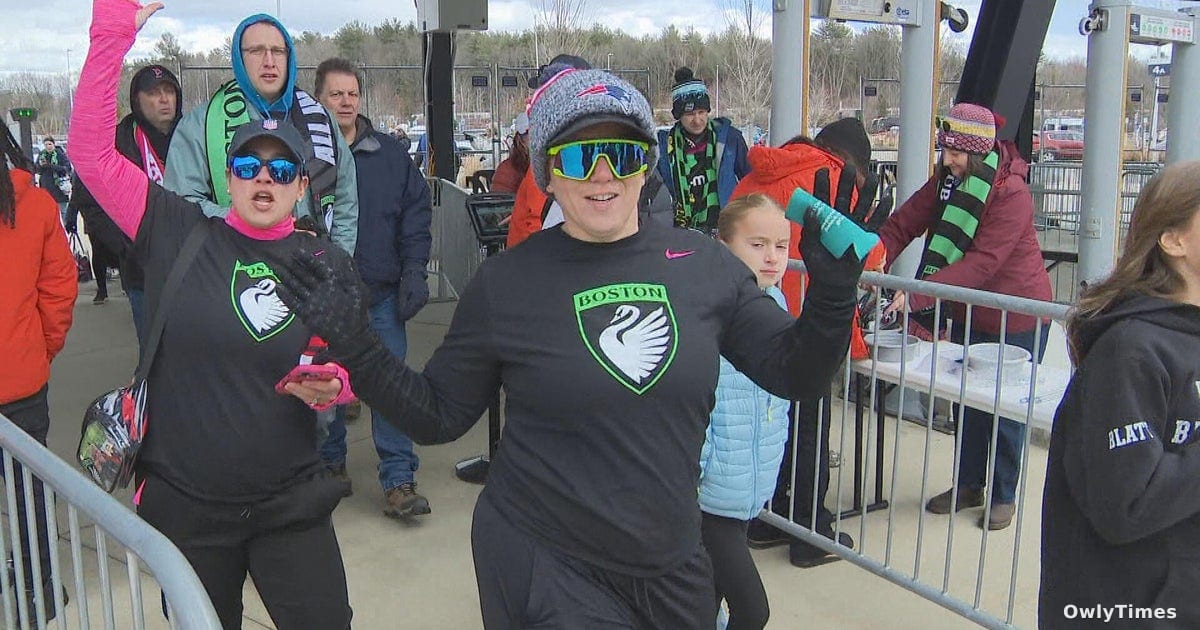

The bass throbbed through the concrete of Gillette Stadium, not from a Patriots touchdown, but from the opening chords of “Hangin’ Tough.” Donnie Wahlberg and New Kids on the Block weren’t headlining a concert; they were the halftime show for the inaugural home game of Boston Legacy, the newest team in the National Women’s Soccer League (NWSL). It was a scene that felt… improbable, even for a city steeped in sports history. But the energy wasn’t ironic, it wasn’t a novelty act. It was genuine, a roaring affirmation that Boston, and the nation, is finally taking women’s soccer seriously – and in record numbers.
A Record-Breaking Arrival
The March 14th game against Gotham FC wasn’t just a game; it was a statement. With attendance figures soaring to a league-record for an inaugural home opener, the event drew a crowd that dwarfed previous NWSL debuts. To put that in perspective, the previous high was set in 2024 with over 24,000 attendees, while Boston Legacy’s opener surpassed that number significantly, though exact figures weren’t immediately released by the team. This isn’t simply about filling seats; it’s about demonstrating a market demand that’s been consistently underestimated. For years, women’s soccer has been relegated to the sidelines, fighting for visibility and investment. Now, with a new team backed by ambitious ownership and a city hungry for a winning franchise, the landscape is shifting. Anna Esten, a member of the Boston Independent Supporters Association, put it succinctly: “It means everything we’ve been working to this day for over two years to make sure the instadium presence and that the fans are ready to support this team.” That “everything” represents a grassroots movement finally bearing fruit.
See the original CBS News story for the full account.
Beyond the Scoreboard: A Generational Shift
The spectacle extended far beyond the 90 minutes on the pitch. The pre-game “Fan Fest” – complete with face painting, games, and hair braiding – wasn’t just a marketing ploy. It was a deliberate attempt to create a family-friendly atmosphere, to welcome a new generation of fans. And it worked. Sarah Lewis of Cranston, Rhode Island, brought her nine-year-old son, Granger, to the game with a clear purpose. “It is important for me to make sure that my three boys…it’s really important for me to show them that women’s sports are just as important as men’s sports,” she explained. This sentiment echoes a broader cultural trend: a growing awareness of the systemic inequalities in sports coverage and investment, and a conscious effort to challenge those norms. The presence of the Boston Public Schools marching band – a coalition of students from ten different high school programs – further underscored this point. As Tony Beatrice of BPS stated, this is “a monumental moment not only for Legacy but for us.” It’s a partnership that provides invaluable opportunities for young musicians and, crucially, positions women’s soccer as a source of civic pride.
The Temporary Stadium Solution and Future Growth
The current arrangement of splitting home games between Gillette Stadium and Centreville Bank Stadium in Pawtucket, Rhode Island, is a pragmatic solution, but it highlights a larger challenge. Boston Legacy is a major league team without a permanent home. The planned completion of White Stadium in 2027 is eagerly anticipated, but the interim period presents logistical hurdles. Playing in two different states, while expanding the team’s reach, also dilutes the sense of local identity. The NWSL has experienced significant growth in recent years, with expansion teams drawing impressive crowds and securing lucrative media deals. However, the league still lags behind its male counterparts in terms of revenue and visibility. The success of Boston Legacy is therefore not just important for the team itself, but for the entire league. A thriving franchise in a major media market like Boston could attract further investment and elevate the profile of women’s soccer nationwide.
What This Moment Signals for Women’s Sports
The energy surrounding Boston Legacy’s debut isn’t simply about soccer. It’s a microcosm of a larger cultural shift, a reckoning with the long-standing undervaluation of women’s athletics. The presence of New Kids on the Block, a beloved Boston institution, wasn’t just a celebrity cameo; it was a symbolic endorsement. It signaled that women’s sports are no longer niche, they’re mainstream. The question now is whether this momentum can be sustained. Will the initial excitement translate into consistent attendance and viewership? Will corporate sponsors continue to invest in the team and the league? And, perhaps most importantly, will this success inspire other cities to prioritize and support women’s sports? The Legacy has begun, but the real game – the fight for equity and recognition – is just getting started.

