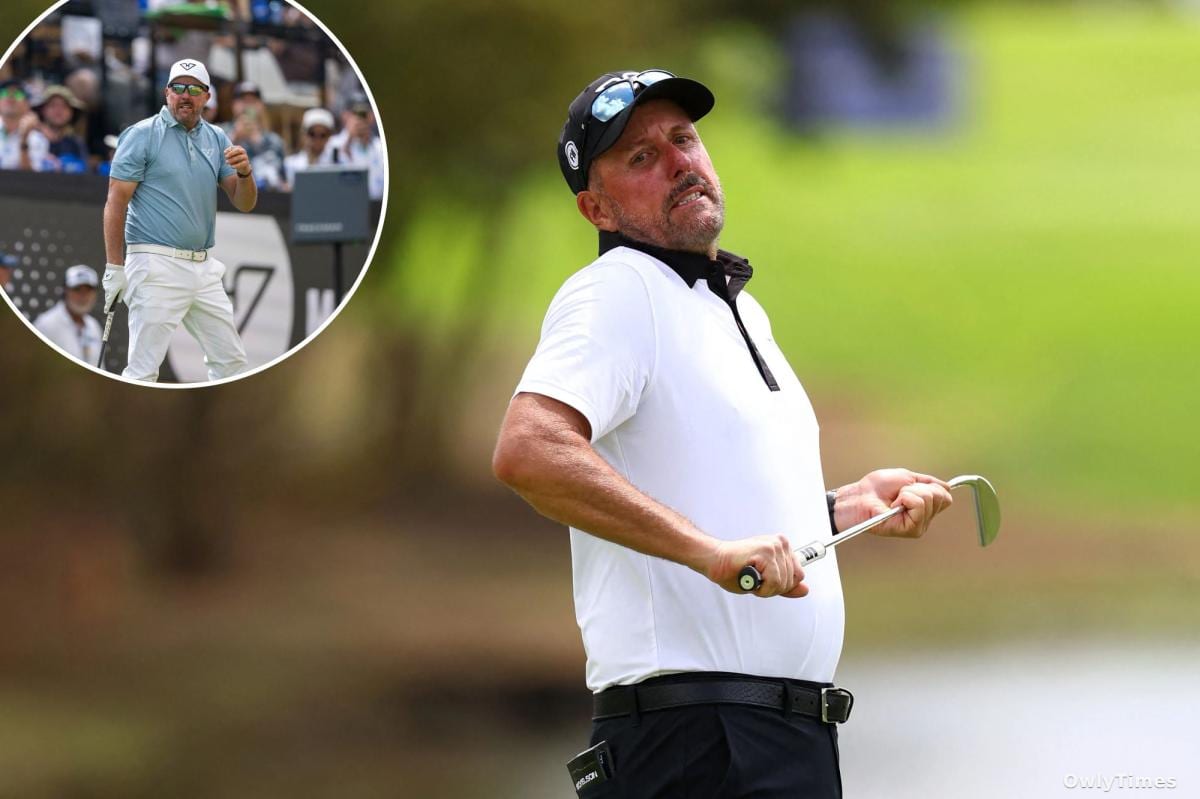

The azaleas will bloom, the patrons will murmur, and the tradition will continue, but Augusta National will feel distinctly…smaller this April. Not in acreage, of course, but in star power. Just days after news broke that Tiger Woods will be absent from the 2026 Masters following a DUI arrest in Florida, Phil Mickelson announced via X on Thursday that he too will be skipping the tournament, citing a family health matter requiring an “extended period of time” away from the game. It’s a double blow to the tournament, and a moment that feels less like a sporting setback and more like a cultural shift – a passing of the torch happening not with fanfare, but with quiet absences.
The Weight of Legacy and the Price of Privacy
The timing is particularly poignant. Mickelson, 55, has been a fixture at the Masters for three decades, racking up three green jackets (most recently in 2010) and 32 appearances. His absence isn’t just a loss for the tournament’s competitive field; it’s a symbolic one. He represents a generation of golfers who captivated audiences with their skill and, often, their willingness to challenge the established order. Now, alongside Woods, sidelined by legal troubles and personal demons, the landscape of professional golf feels undeniably altered. The carefully constructed narratives of invincibility and unwavering dominance are cracking, revealing the very human vulnerabilities beneath. Mickelson’s decision to keep the details of his family’s health private is understandable, yet it underscores a growing tension within professional sports: the demand for transparency versus the right to personal space, especially during times of crisis.
This piece references the the New York Post report.
This isn’t simply about two golfers missing a tournament. It’s about the evolving relationship between athletes and the public, and the increasing scrutiny they face both on and off the course. Woods’ arrest, splashed across headlines, is a stark reminder that even the most celebrated figures are subject to the same legal consequences as anyone else. Mickelson’s withdrawal, shrouded in the language of “family health matter,” speaks to a desire for control over the narrative, a refusal to allow personal tragedy to become public spectacle. The contrast is telling. While Woods’ situation was thrust into the spotlight, Mickelson actively chose to maintain a degree of privacy, a choice that, in itself, is a statement.
LIV Golf’s Shadow and the Shifting Sands of Loyalty
The absences also hang heavy over the ongoing saga of LIV Golf. Mickelson, a prominent figure in the breakaway league, returned to competition in South Africa just two weeks ago, finishing tied for 48th. His previous absence, also attributed to the family health matter, saw him miss four LIV events earlier this year. The timing of these absences, coupled with his decision to skip the Masters, raises questions about his commitment to the tour and the potential impact of his personal situation on his professional life. While Fred Ridley, chairman of Augusta National, offered “complete support” to Mickelson, the fact remains that two of the biggest draws in golf – both with complicated relationships to the traditional golf establishment – will be absent from the most prestigious tournament in the sport. This isn’t a neutral event; it’s a visible manifestation of the fractures within the game.
The Masters has always prided itself on tradition and exclusivity. The decision to invite LIV golfers, despite the controversy surrounding the tour, was a calculated one, aimed at preserving the integrity of the field. But with both Woods and Mickelson unavailable, the tournament loses a significant portion of its appeal, particularly to casual fans who may be more interested in the personalities than the precise nuances of the game. Ticket sales, which typically command a premium, haven’t yet shown a significant dip, but industry analysts are watching closely to see if the absences will impact viewership numbers and overall revenue. The 2026 Masters was projected to generate over $75 million in revenue, a 5% increase from 2025, but that projection is now under review.
Beyond the Fairway: What This Moment Reveals
This isn’t just a golf story; it’s a story about aging, legacy, and the pressures of maintaining a public persona. Both Woods and Mickelson are in their 50s, an age when athletes in most sports are well into retirement. Their continued participation in professional golf is a testament to their dedication and skill, but it also comes with increased physical and emotional demands. The toll of years spent in the spotlight, coupled with the challenges of maintaining peak performance, is undeniable. The fact that both are facing personal difficulties at this stage in their careers is not a coincidence. It’s a reminder that even the most extraordinary individuals are susceptible to the same vulnerabilities as the rest of us.
The absence of these two titans at Augusta National forces a reckoning within the sport. Who will fill the void? Will younger players like Scottie Scheffler and Rory McIlroy step up and seize the opportunity to establish themselves as the next generation of golf superstars? Or will the tournament feel diminished, a shadow of its former self? The question isn’t just about finding new champions; it’s about redefining what it means to be a golf icon in the 21st century. Will the next generation prioritize performance over personality, or will they embrace the role of cultural ambassadors that Woods and Mickelson once embodied? As the first tee shot echoes across Augusta National on April 9th, the golf world will be watching, not just to see who wins the green jacket, but to see what the future holds for the game itself.