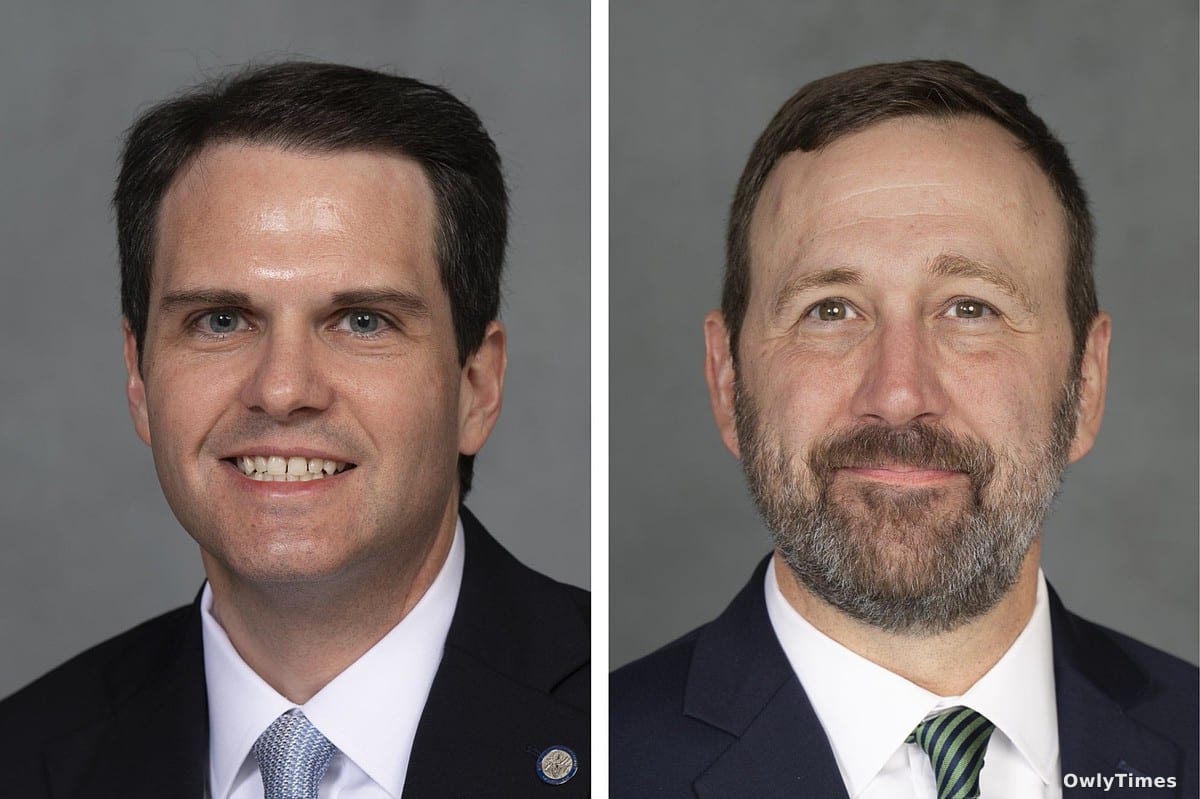

The financial reports filed for January in the Arkansas Supreme Court race between Justice Nick Bronni and attorney John Adams aren’t simply about dollars and cents; they reveal a calculated strategy to define the narrative ahead of the March 3rd election. While Bronni demonstrably holds an advantage in fundraising – a traditional indicator of support – Adams’ higher spending suggests a deliberate effort to rapidly gain traction and frame the contest on his terms. This isn’t a spontaneous development, but a predictable escalation mirroring judicial races nationwide where incumbency is increasingly challenged through aggressive, and often expensive, campaigns.
The Fundraising Disparity and Spending Choices
Bronni reported raising $24,650 in January, bringing his total contributions to $88,825, according to filings with the Arkansas Secretary of State. Adams, meanwhile, raised $14,875, for a total of $48,440. The raw numbers suggest Bronni benefits from established networks and institutional support, typical for a sitting justice. However, Adams spent $18,845 in January, exceeding Bronni’s $6,850 expenditure. This spending gap isn’t about inefficiency; it’s a strategic bet that early, aggressive outreach – likely through digital advertising and direct voter contact – can overcome the fundraising disadvantage. The question is whether that investment will yield a proportional return in name recognition and voter preference.
Source material: arkansasonline.com.
Who Stands to Gain and Lose in a Competitive Race
The beneficiaries of a competitive Supreme Court race are, paradoxically, both candidates. Increased visibility elevates their profiles, potentially opening doors to future opportunities even in defeat. However, the real winners are the political organizations and consultants who profit from campaign spending. The Arkansas legal community, and ultimately the state’s citizens, are the ones who bear the risk. A highly politicized judiciary erodes public trust and can lead to decisions perceived as motivated by partisan considerations rather than legal precedent. Those who lose in this scenario are voters who may be swayed by campaign rhetoric rather than a nuanced understanding of the candidates’ judicial philosophies. The Arkansas Bar Association, traditionally a quiet force in judicial elections, will be closely watching to see if the increased spending leads to negative campaigning or attacks on judicial independence.
Historical Echoes of Judicial Campaigning
The dynamic unfolding in Arkansas isn’t new. The rise of competitive judicial elections, fueled by campaign finance and increasingly sophisticated political tactics, mirrors trends seen in states like North Carolina and Wisconsin. In the early 2000s, North Carolina saw a surge in spending in Supreme Court races, largely driven by outside groups seeking to influence the court’s decisions on key issues like redistricting. This led to accusations of judicial overreach and a decline in public confidence. Similarly, Wisconsin’s 2008 Supreme Court election became a national battleground, with millions spent by both sides and accusations of partisan interference. The Arkansas race, while currently on a smaller scale, carries the potential to follow a similar trajectory if outside money continues to flow in. The key difference is whether Arkansas’s relatively smaller political ecosystem will amplify or dampen the effects of these national trends.
The Role of Outside Influence and PAC Money
Currently, the reports show limited involvement from Political Action Committees (PACs). Bronni received $500 from the Arkansas Realtors Association PAC, while Adams received $1,000 from the Arkansas Trial Lawyers Association PAC. However, this is early in the cycle. The real test will be whether national organizations, particularly those with a vested interest in specific legal outcomes, decide to invest in the race. The Arkansas Chamber of Commerce, for example, could become a significant player if it perceives the outcome as impacting the business climate. The lack of substantial PAC money so far doesn’t indicate a lack of interest, but rather a period of observation. These groups are likely waiting to see which candidate demonstrates the most potential before committing significant resources.
The Next Chess Move: February Filings and Issue Definition
The February campaign finance reports, due in March, will be the critical next data point. Will Adams continue to outspend Bronni? Will outside money begin to flow into the race? More importantly, how will each candidate attempt to define the central issue of the election? Bronni is likely to emphasize his experience and record on the court, portraying himself as a steady hand. Adams will likely attempt to position himself as an agent of change, potentially highlighting perceived shortcomings in the current court’s rulings. The question to watch isn’t just how much money is spent, but where it’s spent and what message it conveys. Specifically, will Adams attempt to tie Bronni to specific controversial rulings, or will he focus on broader themes of judicial accountability? The answer will reveal the core strategy for the final stretch of the campaign.





