
The fluorescent lights of the Stafford County Planning Commission meeting room hummed on March 25th, casting a sterile glow on a debate that felt anything but clinical. Forty residents lined up to voice their anxieties, not about zoning ordinances or building codes, but about bathrooms – specifically, the sheer volume of them proposed for a new Buc-ee’s travel center. Lost in the shuffle of complaints about potential traffic nightmares and 24/7 illumination was a far more ambitious vision: Farshid Hakimya’s The Colosseum, a $350 million sports and recreation complex vying for the same plot of land. This isn’t simply a battle between a gas station empire and a local entrepreneur; it’s a microcosm of a larger struggle playing out across the country – the tension between immediate consumer convenience and long-term community investment, and who gets to define “progress.”
A Land Grab and a Local Dream
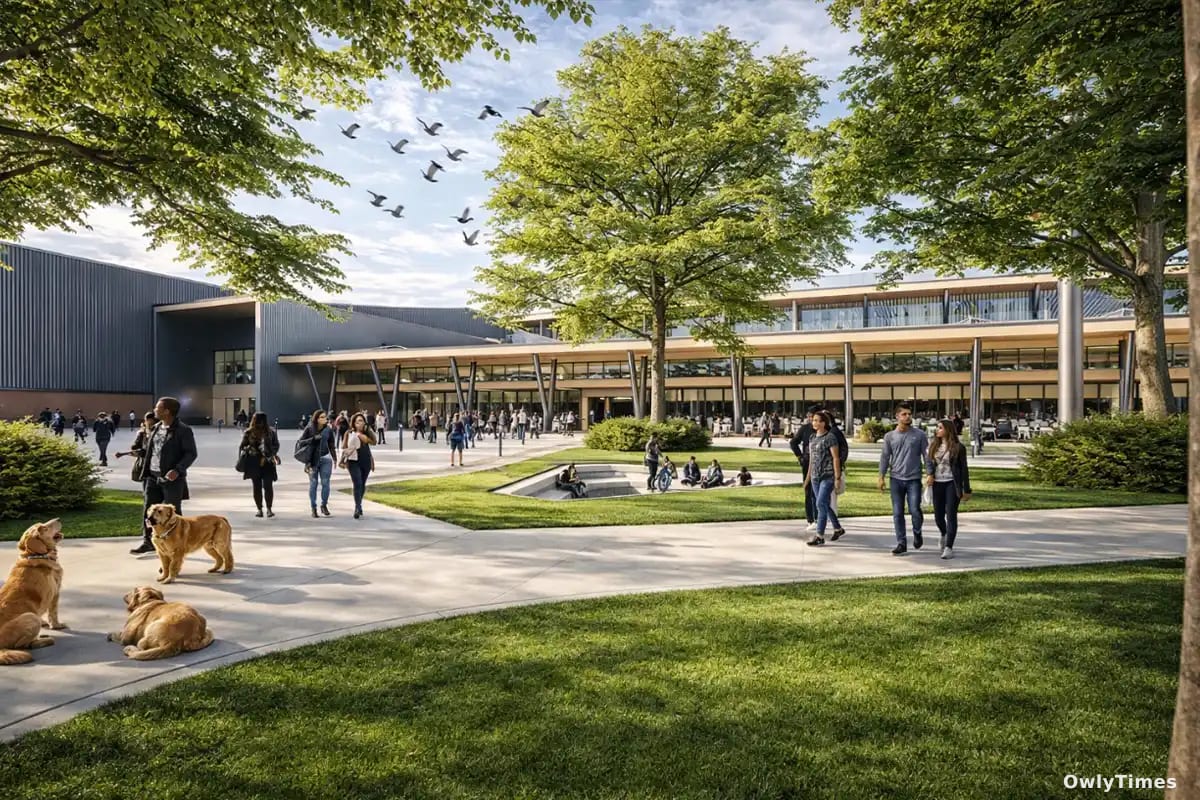
The situation is deceptively simple on the surface. Buc-ee’s, the Texas-based behemoth known for its spotless restrooms and Beaver Nuggets, has a contract on the land. But that contract is contingent on approvals from Stafford County officials and, crucially, the public. Hakimya, a Stafford resident and CEO of The Colosseum, points out a critical detail: Buc-ee’s doesn’t own the land yet. His proposal, unveiled at a recent town hall, is a sprawling 250,000 square-foot facility boasting Olympic-sized pools, indoor ice rinks, turf fields, and a 10,000-seat arena capable of hosting everything from high school championships to concerts. It’s a project designed to be a regional draw, complete with a 110-room hotel and 50,000 square feet dedicated to retail and dining. The scale is comparable to existing multi-sport complexes like the Virginia Beach Sports Center, which generated $16.8 million in economic impact in 2023, according to Visit Virginia Beach. The Colosseum aims to deliver similar, and potentially greater, returns for Stafford County, projecting $25 million in annual tax revenue and between 1,700 and 3,500 construction jobs.
This article draws on reporting from northernvirginiamag.com.
The Traffic Question and the Power of Brand Loyalty
The core of the opposition to Buc-ee’s, and by extension, a point of leverage for The Colosseum, centers on traffic. Residents fear the already congested area will be overwhelmed by the constant influx of vehicles drawn to the mega-travel center. Hakimya argues his complex would generate less traffic, focusing on scheduled events and local participation rather than continuous highway stops. However, this argument feels somewhat muted in the face of Buc-ee’s almost cult-like following. The company has cultivated a fiercely loyal customer base, and that brand recognition carries significant weight. Stafford County’s Board of Supervisors ultimately sided with Buc-ee’s, rezoning the land and approving the conditional-use permit despite the public outcry. This decision wasn’t necessarily about traffic studies or economic projections; it was about perceived demand and the allure of a nationally recognized brand. It’s a pattern seen in countless communities, where the promise of immediate economic activity often trumps long-term, community-focused development.
Beyond the Buc-ee’s Buzz: A Shift in Priorities?
The County’s decision reveals a deeper trend: the prioritization of transient commerce over sustained community building. While Buc-ee’s promises jobs and tax revenue, those benefits are largely tied to the constant flow of through traffic. The Colosseum, conversely, is designed to attract residents and visitors alike, fostering a sense of local pride and providing year-round recreational opportunities. The projected 300-500 permanent jobs offered by The Colosseum represent a more stable and integrated economic impact than the largely hourly positions at Buc-ee’s. This isn’t to dismiss the value of Buc-ee’s – it provides a service, and many people enjoy it. But the contrast highlights a critical question: what kind of economic development do communities want? Are they content to be pit stops on a highway, or do they aspire to be destinations in their own right?
What Happens Next for Stafford and Beyond?
Hakimya and his team are exploring alternative locations, a testament to their commitment to bringing The Colosseum to fruition. But the Stafford County situation serves as a cautionary tale. The ease with which a well-established brand can override local concerns and long-term planning is alarming. The question now isn’t just whether The Colosseum will be built, but whether other communities will learn from Stafford’s experience. Will they prioritize projects that foster genuine community investment, or will they continue to succumb to the siren song of short-term economic gains and the allure of a clean restroom? The future of local development may well depend on the answer.