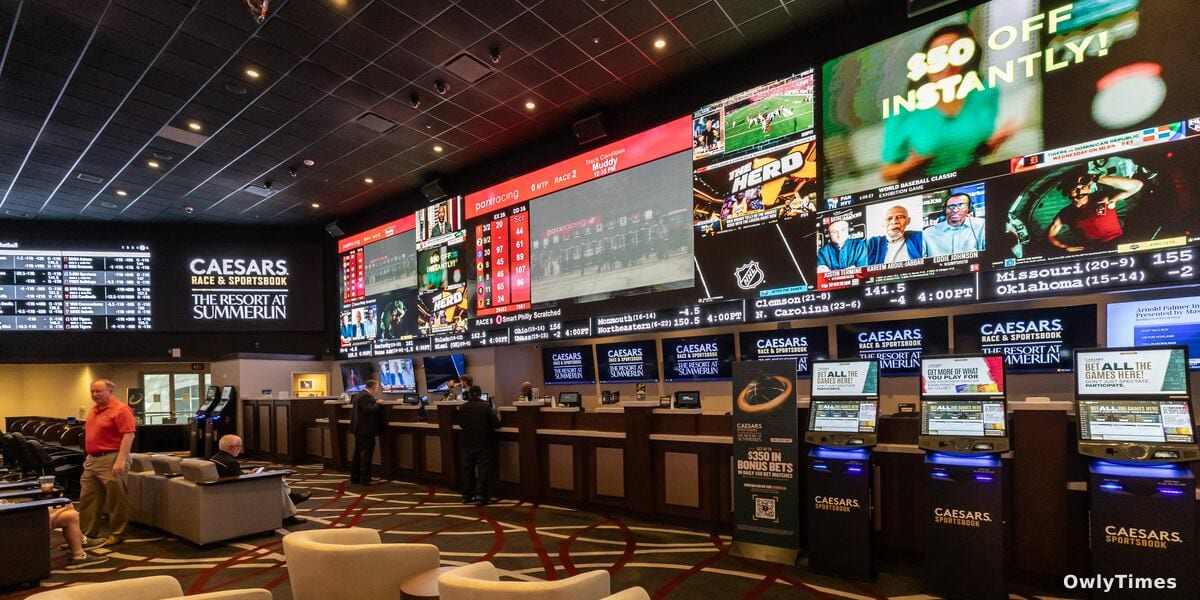

Is the future of gambling less about the thrill of the bet and more about convenient access? Caesars Entertainment’s recent opening of Caesars Race & Sportsbook at The Resort at Summerlin isn’t just another sportsbook launch; it’s a carefully calculated move to embed betting directly into the daily routines of a specific demographic. The real story here isn't the ribbon-cutting ceremony with Deryk Engelland, or even the 6,000 square foot space—it’s the strategic push to normalize and streamline sports wagering for suburban Las Vegas residents.
The new location, the first retail Caesars Sportsbook in the Summerlin community, isn’t trying to lure tourists off the Strip. It’s targeting a different, and arguably more consistent, customer base: the locals. This is a significant shift from the traditional casino model, which relies heavily on destination gamblers. The inclusion of 20 self-service betting kiosks scattered throughout the casino, operating 24/7, underscores this point. It’s not about creating a spectacle; it’s about making betting as easy as grabbing a coffee. This mirrors a broader trend in fintech, where friction is the enemy and seamless integration is king.
What’s particularly interesting is the emphasis on mobile integration. For the first time, Summerlin bettors can complete in-person registration for the Caesars Sportsbook mobile app and make mobile cash deposits and withdrawals on site. This solves a key pain point for many online bettors – the often cumbersome process of funding accounts. Eric Hession, president of Caesars Digital, frames this as “better serv[ing] sports fans,” but it’s also about capturing a larger share of the mobile betting market, which, according to industry reports, now accounts for over 80% of all sports wagers. The convenience factor is a powerful draw, and Caesars is betting big on it.
The Suburban Sportsbook: A New Demographic
The choice of Summerlin isn’t accidental. It’s a master-planned community known for its affluent residents and family-friendly atmosphere. This demographic is less likely to frequent the often-overwhelming environment of the Strip, but increasingly open to recreational gambling. Michelle McHugh, vice president and general manager of The Resort at Summerlin, notes that “guests have been asking for this,” indicating a pre-existing demand. This isn’t Caesars creating a market; they’re responding to one that’s already emerging. The planned expansion of the sportsbook bar with a 360-degree LED video display before summer 2026 suggests they anticipate continued growth and want to enhance the social experience for this local clientele.
Source material: fox5vegas.com.
Beyond the Bet: Data and the Future of Wagering
The proliferation of self-service kiosks and mobile integration isn’t just about convenience; it’s about data collection. Every bet placed, whether through a kiosk or the app, generates valuable data that Caesars can use to personalize offers, refine its algorithms, and ultimately, increase profitability. This is the same principle driving targeted advertising and personalized recommendations across all industries. The sportsbook becomes a data-gathering hub, and the bettor, knowingly or not, becomes a source of valuable market intelligence. This data-driven approach is what separates modern sportsbooks from the old-school betting shops of the past.
What This Means for the Average Bettor
For the average sports fan, this means more options, easier access, and increasingly personalized betting experiences. But it also means a greater risk of impulsive betting and potential financial harm. The seamless integration of betting into everyday life could normalize risky behavior, particularly for vulnerable individuals. While Caesars emphasizes responsible gaming initiatives, the sheer convenience of the new sportsbook could inadvertently lower the barrier to entry for problem gamblers. The 24/7 availability of kiosks, in particular, raises concerns about accessibility and potential overuse.
Looking ahead, expect to see more casinos follow Caesars’ lead and establish smaller, localized sportsbooks in suburban areas. The focus will be on convenience, mobile integration, and data collection. The question isn’t if this trend will continue, but how regulators will respond to the potential risks associated with the normalization of sports betting in everyday life. Will they prioritize consumer protection, or will they allow the industry to self-regulate? The answer will shape the future of gambling for years to come.





