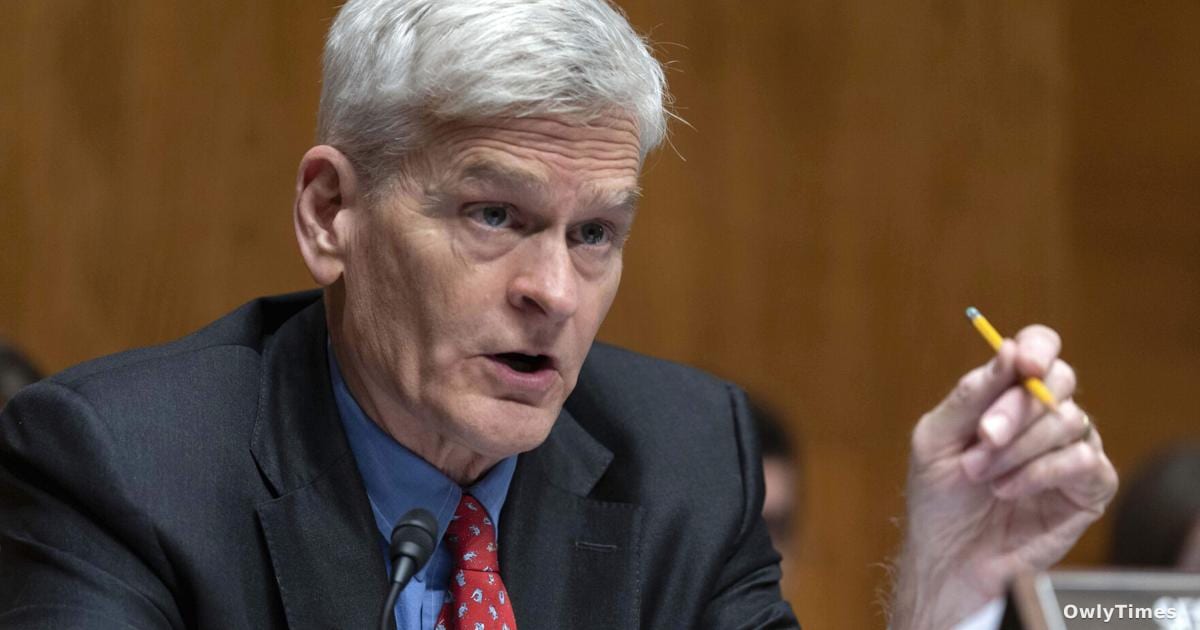

The strategic calculus for Bill Cassidy’s third-term bid is built on a high-stakes gamble: that the pragmatic, policy-heavy brand of governance he honed as a gastroenterologist can survive the ideological purity tests of the modern Republican base. By positioning himself as a legislative workhorse who delivers federal dollars, Cassidy is attempting to render his past apostasies—specifically his vote to convict Donald Trump in 2021—irrelevant to the average Louisiana voter. However, the political environment he inhabits is one where institutional accomplishment is frequently eclipsed by personal loyalty, leaving the incumbent to navigate a narrowing corridor between his record of bipartisan deal-making and the demands of the "MAGA" movement.
Who benefits and who loses in this dynamic depends on whether the electorate prioritizes the tangible impacts of federal investment over national political alignment. Cassidy clearly benefits from his chairmanship of the Senate Committee on Health, Education, Labor, and Pensions, which allows him to tout concrete results, such as the No Surprises Act that he claims prevents one million surprise medical bills per month. Conversely, he loses ground among the party’s base, who view his confirmation of Robert F. Kennedy Jr. as health secretary and his support for the $1.2 trillion Infrastructure Investment and Jobs Act—which brought $13.5 billion to Louisiana—as evidence of an insufficiently partisan agenda.
This tension mirrors the broader historical challenge faced by establishment politicians in the aftermath of major party realignments: the struggle to maintain traditional coalitions while the party’s center of gravity shifts toward populist fervor. Much like the legislative gridlock that characterized the mid-20th century transition toward more ideological voting patterns, Cassidy is finding that the "give and take" of the Senate floor is increasingly viewed by primary voters not as statesmanship, but as a lack of conviction. His attempt to pivot—evidenced by his vocal support for Kennedy and his frequent attempts to highlight his work with Trump—is a calculated effort to mitigate the damage of Trump’s January 17 endorsement of Julia Letlow.
The contradiction in Cassidy’s platform is starkest in his dual identity as a policy "wonk" and a political survivor. While he prides himself on a clinical, data-driven approach to legislation—reminiscent of his time as a doctor at Earl K. Long Hospital—he is currently forced to engage in a defensive, often obfuscatory, performance on the campaign trail. When pressed on his impeachment vote or his relationship with the former president during a recent appearance in Covington, Cassidy chose to deflect, citing his record of cooperation with the Trump administration rather than addressing the ideological rift directly. This "doctor’s mindset"—collecting data and moving forward without looking back—is a poor shield against the highly personal nature of primary contests, especially when opponents like John Fleming can highlight the divide between the senator and the party’s titular leader.
As the May 16 Republican primary approaches, the political chess move to watch is the volatility of early voting, which begins on May 2. The ultimate signal of Cassidy’s viability will not be found in his policy white papers, but in whether his focus on the $13.5 billion in infrastructure funds and his role in the Kennedy nomination can successfully insulate him from the consequences of Trump’s active opposition. Should he fail to consolidate the moderate and traditional conservative vote, the subsequent June 27 runoff will serve as a definitive verdict on whether the era of the "boring" policy-focused Republican in Louisiana has reached its expiration date.





