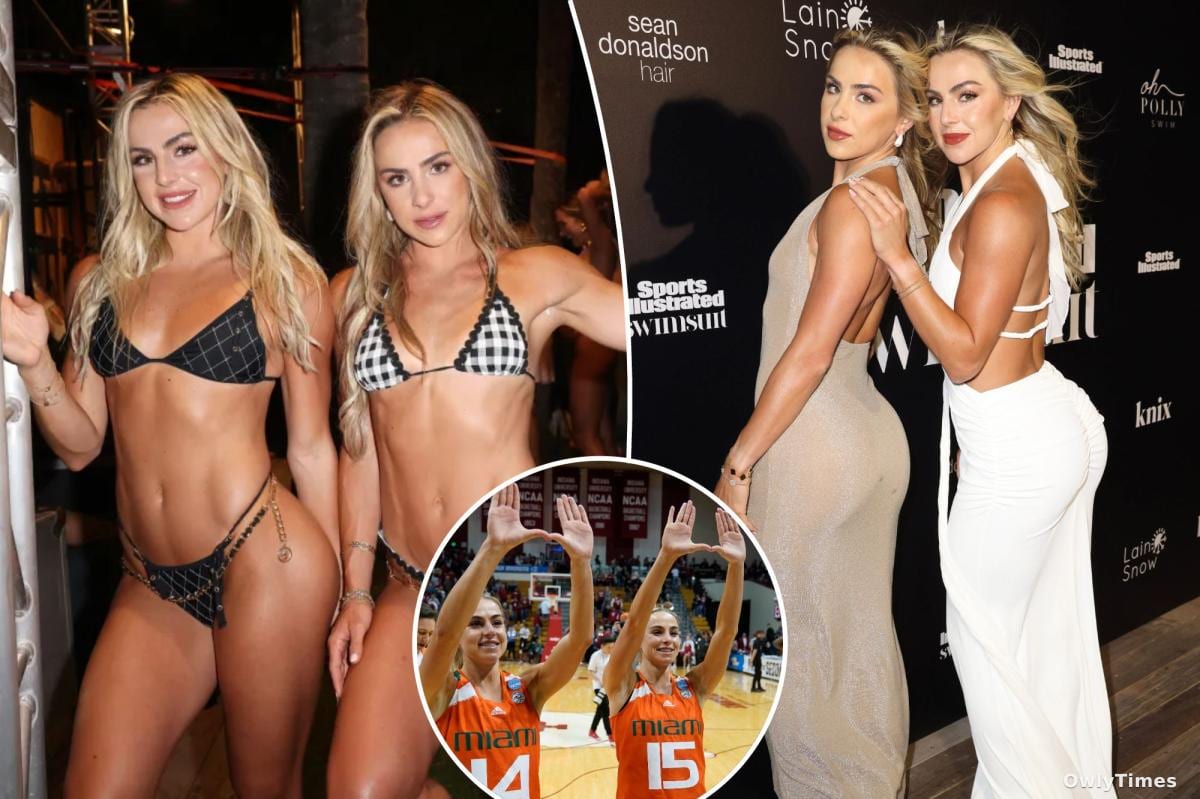

$7 Million in NIL Deals Didn’t Define Them: The Cavinder Twins’ Post-Basketball Brand Blueprint
$7 million. That’s the estimated sum Haley and Hanna Cavinder commanded in Name, Image, and Likeness (NIL) deals during their time as college athletes, a figure that briefly positioned them at the forefront of a seismic shift in collegiate sports. But the narrative surrounding the twins, now 25, isn’t about capitalizing on a rule change – it’s about proactively building businesses designed to outlast their athletic careers. Follow the money, and it reveals a calculated pivot from basketball stars to brand founders, a strategy that’s becoming increasingly vital for athletes navigating the evolving NIL landscape.
Drawn from the New York Post.
The Cavinders’ success isn’t accidental. They “struck while the iron was hot,” as Haley put it, recognizing the limited window of athletic peak performance and leveraging their burgeoning social media presence – 4.5 million TikTok followers and nearly two million combined Instagram followers as of this weekend – into tangible business ventures. This contrasts sharply with the historical model where athletes’ brand value peaked after retirement, often requiring a rebuilding phase. The twins are actively circumventing that risk. Their portfolio now includes the TWOGETHER workout app, the soon-to-launch Azucar tequila brand, and ongoing partnerships with Under Armour, all while navigating high-profile personal events like Haley’s upcoming marriage to Dallas Cowboys tight end Jake Ferguson.
The timing of this transition is crucial. While the NIL era has opened doors for countless student-athletes, the market is rapidly becoming saturated. Initial projections estimated the total NIL market at $3 billion by 2024, but the reality is more fragmented. The Cavinders’ early mover advantage, coupled with their diversified approach, allows them to stand out. They aren’t simply endorsing products; they’re building equity in brands they own, a distinction that significantly increases their long-term earning potential. This is a lesson being observed by the next generation of NIL stars, as evidenced by the twins’ recognition of the success of Olivia Dunne and Angel Reese – athletes who are also expanding beyond traditional endorsements.
The launch of Azucar, a tequila brand, is particularly telling. The spirits industry is notoriously competitive, with established players wielding significant marketing budgets. Yet, the Cavinders are entering the market not as spokespeople, but as co-founders, implying a deeper financial stake and a greater degree of creative control. This mirrors a broader trend of athletes seeking ownership roles in the brands they represent, shifting from passive income to active investment. The sisters emphasized the importance of “creative control” in their brand partnerships, a demand that’s becoming increasingly common among top-tier NIL earners.
However, the path hasn’t been without its challenges. The twins acknowledge the constant scrutiny and negativity that comes with a large online following, a reality they’ve navigated since gaining prominence on TikTok during the pandemic. Their strategy – “I just don’t read it anymore,” as Hanna succinctly put it – highlights the mental fortitude required to maintain a public profile and protect their brand. This resilience is a critical, often overlooked, component of successful athlete entrepreneurship. The recent appearance on the Sports Illustrated Swimsuit cover, and previous runway show participation, further demonstrates their ability to leverage their image and expand their reach beyond the basketball court.
Their upcoming one-on-one matchup on BetMGM’s Court of Legends in Las Vegas isn’t a comeback attempt, but a strategic brand activation. The event, streamed on X, YouTube, and the BetMGM app, provides a platform to showcase their competitive spirit and engage their audience in a novel way. It’s a calculated move to maintain relevance and generate buzz around their evolving brand. The “speakeasy vibe” and “LED setup” of the court suggest a focus on creating a visually compelling experience, optimized for social media sharing.
What this means for your wallet: The Cavinder twins’ trajectory signals a fundamental shift in how athletes approach brand building. It’s no longer enough to simply sign endorsement deals. The future belongs to those who can leverage their platform to create, own, and control their own economic destiny. Investors should watch for athletes who are actively diversifying their income streams and building equity in their own ventures. Consumers should be prepared to see more athlete-owned brands entering the market, and to evaluate those brands not just on product quality, but on the authenticity and vision of the athletes behind them. The question now is: will other collegiate athletes prioritize long-term brand building over short-term NIL payouts, or will the Cavinders remain outliers in a sea of endorsements?





