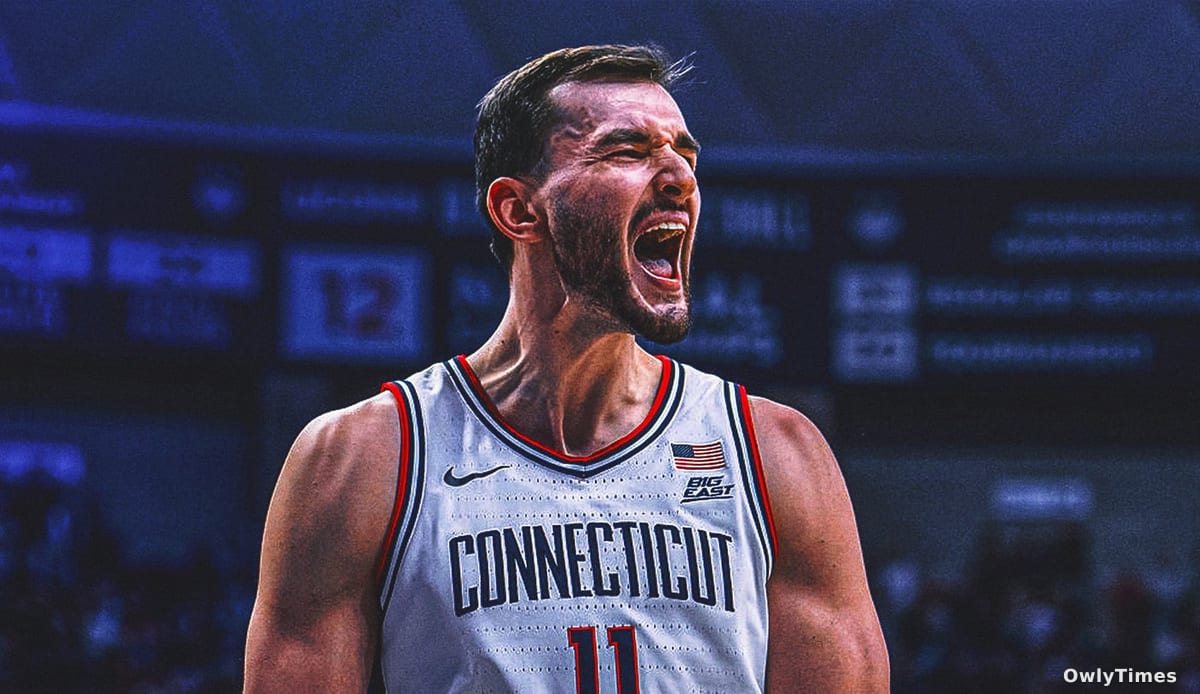

The air in Cameron Indoor Stadium is thick with expectation, a pressure cooker of blue and white. Not just for the game itself – Duke versus Virginia on February 28th – but for what it represents: a potential upset that could unravel weeks of carefully constructed odds. Because college basketball isn’t just about buzzer-beaters and bracketology anymore; it’s a fully-fledged betting market, and right now, the numbers are screaming a story of perceived certainty colliding with the beautiful chaos of March. As of February 18th, DraftKings Sportsbook has Duke as a staggering -1100 favorite to win the ACC regular season, meaning a $10 bet yields a paltry $1.91 profit. That’s not a wager for the thrill of the win, it’s a statement about how little room there is for surprise. But surprise, as St. John’s recently demonstrated with an 81-72 victory over UConn, is always lurking.
The Illusion of Control in College Basketball Betting
These aren’t the odds of a sporting contest; they’re the odds of a foregone conclusion. Consider Michigan in the Big Ten, priced at -1200. Or Florida in the SEC, also -1200. These numbers aren’t reflecting a slight advantage, they’re reflecting a perceived lack of competition. But the very nature of college basketball – young players, fluctuating form, the inherent unpredictability of a single game – makes such certainty a dangerous assumption. The sports betting industry, which saw revenue climb to $7.5 billion in 2023 according to the American Gaming Association, thrives on risk assessment. But are these odds accurately assessing risk, or are they simply capitalizing on the public’s tendency to overvalue established programs? The sheer disparity between the favorites and their challengers – Virginia at +500, Arizona at +170, St. John’s at +150 – suggests a market heavily influenced by brand recognition rather than granular analysis of current performance.
See the original foxsports.com story for the full account.
When Head-to-Head Decides Everything
The upcoming schedule is littered with pivotal matchups that could shatter these carefully constructed probabilities. In the Big East, the rematch between UConn (14-1 in conference play) and St. John’s (13-1) on February 25th isn’t just a game; it’s a referendum on the Red Storm’s stunning February 6th upset. That earlier win, a clear signal that St. John’s isn’t intimidated by the Huskies’ dominance, has kept their odds surprisingly competitive at +150. Similarly, the Houston versus Arizona clash on February 21st and Arizona’s subsequent games against Kansas and Iowa State will be crucial in determining the Big 12’s regular season champion. The Cougars, currently at -105, are barely ahead of Arizona (+170), highlighting the tight race and the potential for a major shakeup. These aren’t isolated incidents; the SEC’s February 28th showdown between Florida and Arkansas mirrors this pattern of high-stakes, head-to-head confrontations.
Beyond the Spread: The Cultural Shift in College Hoops
The rise of legal sports betting is fundamentally altering the college basketball experience. It’s no longer enough to simply follow the teams; fans are now incentivized to analyze statistics, understand betting lines, and engage with the game on a financial level. This has led to increased viewership, particularly among younger demographics, but it also raises concerns about the integrity of the sport. While there’s no evidence of widespread match-fixing, the potential for influence – from subtle pressure on players to more overt attempts at manipulation – is undeniable. The NCAA, historically resistant to gambling, is now cautiously embracing it, recognizing the revenue potential but grappling with the ethical implications. This tension between profit and principle is at the heart of the current debate surrounding college sports.
The Future of the Game: Will Upsets Become More Valuable?
The current odds suggest a predictable outcome in most major conferences. But the beauty of college basketball lies in its unpredictability. Will the market adjust to account for the inherent volatility of the game, or will it continue to prioritize established brands and perceived certainties? The real story isn’t just who wins the regular season title, but whether the betting market can accurately reflect the true competitive landscape. As more states legalize sports betting, and as younger generations become increasingly comfortable with wagering, the pressure on teams and players will only intensify. The question isn’t whether upsets will happen – they always do – but whether those upsets will be adequately priced into the odds, and whether the public will finally learn to bet on the chaos, rather than against it. Will we see a shift towards more dynamic odds that better reflect the inherent uncertainty of the game, or will the illusion of control continue to dominate the market? That’s the bet worth watching.

