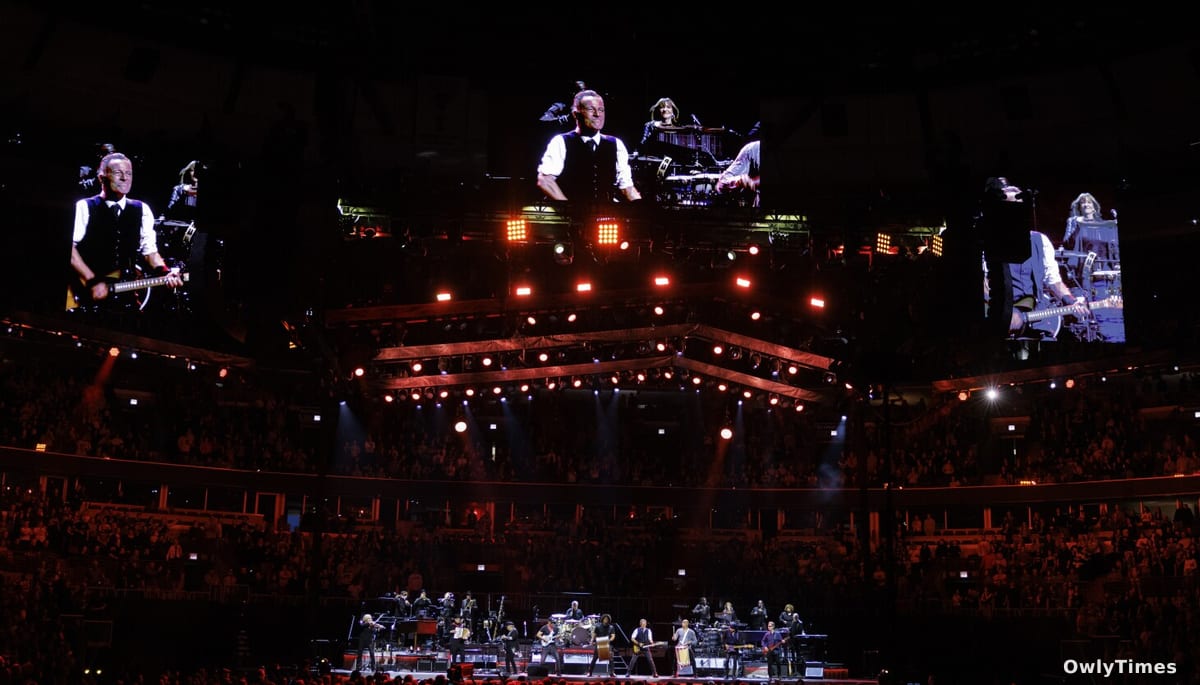

The digital lobby is empty, the countdown clock hits zero, and in the span of a single heartbeat, the dream of a front-row seat evaporates. For Chicago fans, the ritual of securing tickets for a marquee concert or a high-stakes game has morphed from a simple transaction into a high-stress endurance test. It is a landscape where excitement is frequently met with a "shut it down" moment, a phrase used by Judy Marchi to describe the exact second she sees the final price tag and decides the experience simply isn't worth the cost.
The Mirage of Accessible Entertainment
The friction isn’t just about the base cost of entry; it is about the feeling of being trapped in a system designed to extract every possible cent. Billy Gallegos notes the frustration of navigating a gauntlet of "obscene" ticket prices, compounded by a pile-up of convenience fees and taxes that leave even the fastest buyers stranded in the back row. This sentiment is echoed by Mark Lukas, who points directly to what he characterizes as "Ticketmaster’s monopoly prices" as the primary culprit for the industry's lack of transparency.
The psychological toll of this pricing model is evident in how fans are changing their behavior. Bob Cbecker reflects on a time before the current surge in ticket and parking costs, noting he is grateful he caught the "big legendary bands" before the current market environment spiraled out of control. When the barrier to entry becomes a gatekeeper rather than a gateway, the cultural fabric of live entertainment begins to fray, shifting from a communal experience to an exclusive luxury.
The Mechanics of Discontent
Beyond the sticker shock, there is a deep-seated resentment toward the structure of the fees themselves. Terrence Camodeca highlights the absurdity of service charges tied to the ticket's face value, arguing that the technical effort required to process a $500 ticket is identical to that of a $5 ticket. This disconnect between the labor involved in a digital transaction and the premium tacked onto the price creates a perception of bad faith that no amount of marketing can smooth over.
Some, like Ximena Arroyo, feel the system is rigged from the start, pointing to a hierarchy where "people with clout get first dips at premium seats." This perceived lack of equity forces fans like Terrence Camodeca to adopt a pragmatic, if resigned, approach: they settle for the less expensive seats, just to ensure they can be part of the crowd at all. However, the experience isn't universally negative; Valerie E. Dudley reports a frictionless journey in Chicago, specifically praising the box office staff for their assistance when technical glitches occur at the gate.
A Call for Radical Transparency
The desire for a cleaner, more honest marketplace is perhaps best summarized by Greg Kazzewits, who proposes a "Supreme Leader" style mandate: allow sellers to set whatever price they want, but eliminate the hidden layers of taxation and service fees. His vision of an "out the door" price, where the number you see is the number you pay, strikes at the heart of the current consumer frustration. Whether or not such a shift occurs, the tension between the platforms and the public is reaching a boiling point. The next reading of consumer sentiment regarding these "added fees" will show whether the industry continues to prioritize algorithmic profit-taking or decides to rebuild the trust necessary to keep the fans coming back.

