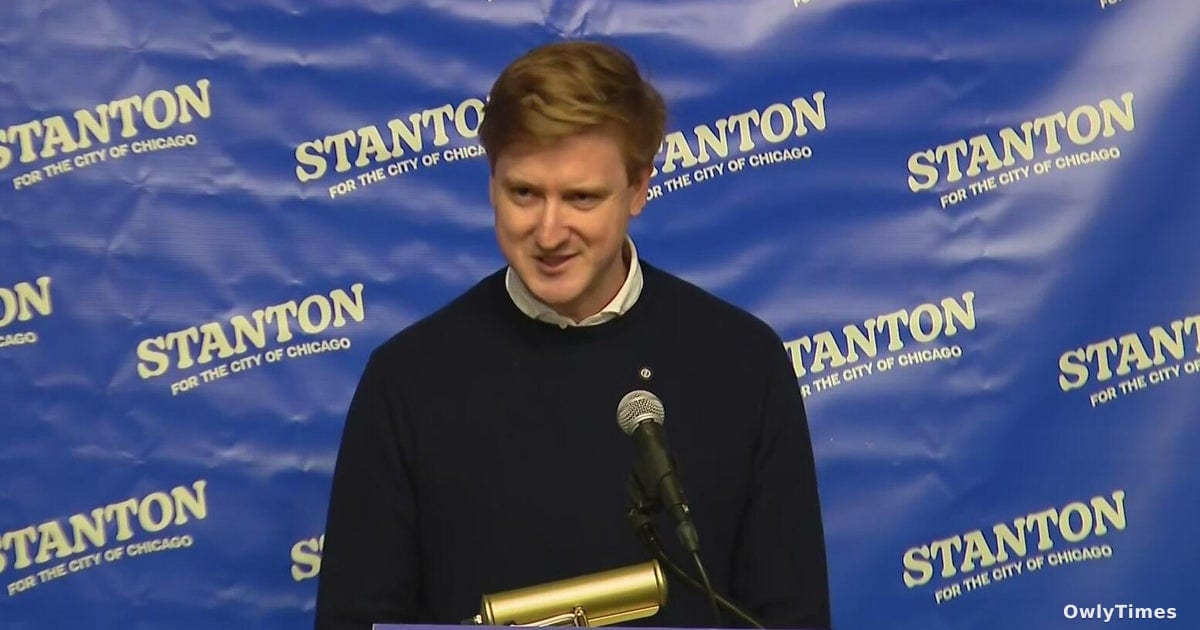

A Fourth Challenger Signals Deeper Financial Anxieties in Chicago’s Mayoral Race
Four. That’s the number of declared candidates now vying to unseat—or see re-elected—Brandon Johnson as Mayor of Chicago, with Liam Stanton’s announcement on February 22nd adding another layer of complexity to a race already signaling widespread dissatisfaction with the city’s current trajectory. While the entry of a political newcomer might initially appear as standard fare in an election cycle, a closer look at the timing and the stated priorities of each candidate reveals a growing anxiety about Chicago’s economic future, and a potential fracturing of the city’s traditional political alliances. Follow the money, and you’ll find a city bracing for difficult choices.
Drawn from CBS News.
The Rising Cost of Political Entry
The rapid accumulation of candidates – Mike Quigley, Maria Pappas, Joe Holberg, and now Liam Stanton – isn’t simply a testament to democratic participation. It’s a reflection of perceived opportunity. Consider the fundraising landscape: the 2023 mayoral race saw spending exceed $30 million, with Brandon Johnson benefiting from significant late-stage contributions from labor unions and progressive donors. While early fundraising numbers for 2026 aren’t yet available, the sheer number of contenders suggests a belief that a viable path to victory exists, even without established political machinery. This increased competition will inevitably drive up campaign costs, potentially requiring candidates to rely on larger individual donors or special interest groups – a dynamic that could further exacerbate concerns about influence peddling and equitable representation. The fact that a small business owner like Stanton feels empowered to enter the race speaks volumes about the perceived accessibility, and therefore vulnerability, of the mayor’s office.
Affordability as the Dominant Narrative
Stanton’s focus on “affordability, safety, and small businesses” isn’t groundbreaking, but its prominence is telling. Chicago’s median home price rose 6.8% year-over-year in January 2026, outpacing wage growth by a factor of three. Property taxes remain a perennial concern, consistently ranking among the highest in the nation. This isn’t merely a homeowner issue; rising housing costs directly impact the ability of small businesses to attract and retain employees, creating a vicious cycle of economic stagnation. Quigley and Pappas, as established figures with access to city and county financial data, are likely to frame affordability through the lens of fiscal responsibility and government efficiency. Stanton, however, positions himself as an outsider, potentially appealing to voters who feel ignored by the existing political establishment. The emphasis on affordability, repeated across multiple campaigns, isn’t a policy preference – it’s a direct response to a quantifiable squeeze on Chicago’s middle class.
The Unspoken Question of Johnson’s Re-election Bid
The elephant in the room remains Brandon Johnson’s silence. His decision to delay announcing a re-election bid introduces significant uncertainty into the race. A sitting mayor’s reluctance to formally campaign this early could signal several things: internal polling showing vulnerability, difficulty securing financial backing, or a strategic calculation to observe the field before committing resources. However, it also creates a vacuum that allows challengers to define the narrative. The fact that both Alexi Giannoulias and Susana Mendoza are “seen as potential candidates” – a carefully worded phrase indicating exploratory talks – suggests a lack of unified support within the Democratic party for Johnson’s continued leadership. This internal division is a critical indicator of deeper systemic issues, potentially stemming from disagreements over budget priorities, public safety strategies, or economic development initiatives.
What This Means for Your Wallet
The proliferation of candidates and the focus on affordability aren’t just political theater. They represent a growing economic anxiety among Chicago residents. Expect to see a fierce debate over property taxes, business regulations, and city spending in the coming months. Regardless of who wins, the next mayor will face immense pressure to address the city’s financial challenges. For homeowners, this means scrutinizing candidates’ plans for property tax relief. For small business owners, it means evaluating their proposals for reducing regulatory burdens and fostering economic growth. But the most important question for voters to ask is this: beyond rhetoric, what concrete steps will each candidate take to close the gap between rising costs and stagnant wages, and how will they fund those initiatives without further burdening taxpayers? The answer to that question will determine not just the next mayor, but the future economic health of Chicago.





