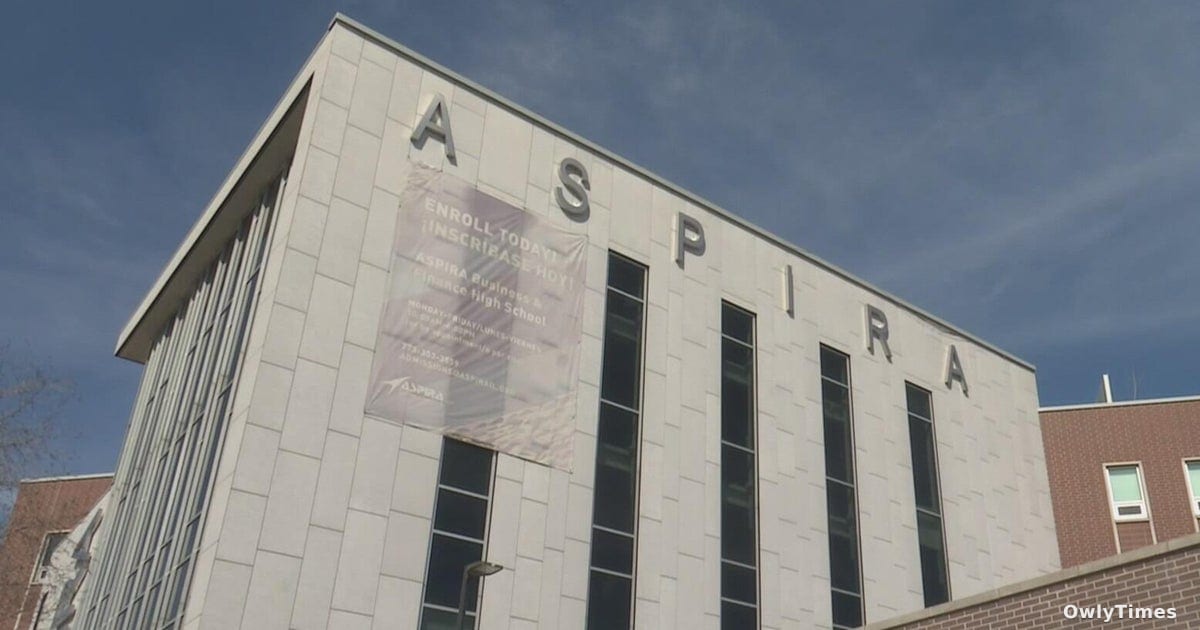

$2.9 million. That’s the deficit that will shutter two Chicago Public Schools (CPS) – both operated by the Aspira charter network – mid-year, an unprecedented move that throws the futures of 540 students into uncertainty. The closure of Aspira Business and Finance High School and a second campus on Barry Avenue isn’t simply a localized education crisis; it’s a stark warning sign about the financial vulnerabilities within the charter school system and the increasingly strained relationship between charter operators and the district responsible for oversight. Follow the money, and a pattern emerges: escalating financial pressure on Aspira, a last-ditch effort by CPS to provide funding, and ultimately, a collapse triggered by unmet documentation requests and a legal funding cap.
The Funding Firewall and Aspira’s Declining Position
CPS’s assertion that it reached the “legal limit of funding” it could provide – totaling $2.5 million – isn’t a matter of budgetary constraint, but a consequence of Illinois law. The state caps the amount of financial support a district can offer charter schools. However, this legal firewall obscures a more critical trend: Aspira’s financial woes weren’t sudden. The $2.9 million deficit represents a culmination of pressures, and the timing of CPS’s intervention – after a “year-long effort” – suggests a delayed response, or a willingness to allow the situation to escalate to a point of no return. Comparing this situation to other charter school closures in the city, the speed of this shutdown is remarkable. Typically, schools are given more time to rectify financial issues, often with a performance improvement plan. The abruptness here indicates a deeper breakdown in trust and communication.
Documentation Disputes and the Transparency Question
The core of the dispute, according to CPS, centers on missing documentation: the fiscal year 2025 financial audit, general ledger, and payroll records. Edgar Lopez, CEO of Aspira of Illinois, claims these documents were forthcoming, with a promised delivery date of Friday, only to be met with a closure notice the preceding Thursday. This timeline raises questions about procedural fairness and whether CPS genuinely allowed Aspira sufficient opportunity to comply. While Lopez’s emotional plea – “They don’t give a damn about the kids” – is understandably charged, the district’s insistence on financial transparency is a non-negotiable requirement for any publicly funded institution. The lack of readily available, verifiable financial data creates a significant risk for the district, potentially exposing it to further liability.
Drawn from CBS News.
The Ripple Effect on Students and the Transfer Challenge
The immediate impact falls squarely on the students, particularly the seniors like Angelina Mota, who fear their credits won’t transfer and their graduation is at risk. This isn’t merely an academic disruption; it’s a potential derailment of future opportunities. CPS assures a “safety net” for transitioning students, but the reality of mid-year transfers is often fraught with challenges. Students may face difficulties adjusting to new school cultures, catching up on missed coursework, and maintaining their academic momentum. The district’s capacity to absorb 540 students mid-year without compromising the quality of education at receiving schools is a legitimate concern. Furthermore, the closure impacts dozens of staff members, adding to the economic strain on the Avondale neighborhood.
What This Means for Your Wallet
This closure isn’t just a Chicago story. It’s a microcosm of the broader financial pressures facing charter schools nationwide. Increased competition for funding, rising operational costs, and stricter accountability measures are creating a precarious environment for many charter networks. For taxpayers, this means a potential increase in financial burden as districts are forced to absorb displaced students and potentially address legal challenges stemming from the closure. For parents considering charter schools, this situation underscores the importance of thoroughly vetting a school’s financial stability before enrollment. The question now is: will this closure trigger a broader review of charter school funding models in Illinois, and will CPS proactively identify and address financial vulnerabilities in other charter networks before they reach a point of collapse? Investors in education technology and charter management organizations should closely monitor the legislative response to this situation, as it could significantly impact future investment opportunities.