
£400,000 in unpaid wages. That’s the figure left hanging in the wake of Clarity, the UK’s oldest social enterprise, whose 2020 collapse left 84 employees – many with disabilities – without compensation. But the story isn’t simply one of corporate failure; it’s a case study in the precariousness of social enterprise, the potential for mission drift, and the surprising power of consumer choice to drive social impact. Follow the money, and a clear pattern emerges: a pension shortfall triggered a takeover, a broken promise, a retaliatory lawsuit, and ultimately, a phoenix rising from the ashes in the form of Amplify Goods.
The history of Clarity, founded in 1854 as the General Welfare of the Blind, is steeped in social purpose. From Queen Victoria’s patronage to its more recent focus on soap manufacturing, the organization consistently prioritized employment for those facing barriers to work. However, a significant deficit in its pension fund proved fatal. Nicholas Marks acquired the company out of administration with assurances of continued operation, a pledge that quickly unraveled. According to Camilla Marcus-Dew, former head of commercial at Clarity, Marks’ focus shifted away from social mission. “He wasn’t interested in growing jobs for disabled people and even protecting the jobs for the disabled people that we had working with us,” she stated, detailing a heartbreaking dismantling of the organization’s core values. This represents a critical inflection point: a social enterprise, designed to prioritize people over profit, was ultimately undone by financial pressures and, allegedly, a change in leadership priorities.
The fallout extended beyond job losses. Marks subsequently pursued legal action against Marcus-Dew and another former employee, attempting to deflect blame for the company’s demise – a move widely seen as an intimidation tactic. The case was ultimately dismissed, but the legal battle underscores a disturbing trend: the vulnerability of whistleblowers in challenging those in power, even within the ostensibly ethical realm of social enterprise. The £400,000 in unpaid wages remains a stark reminder of the human cost of this failure, a figure that dwarfs the average UK redundancy payout of approximately £6,000 (according to the Office for National Statistics, 2023 data).
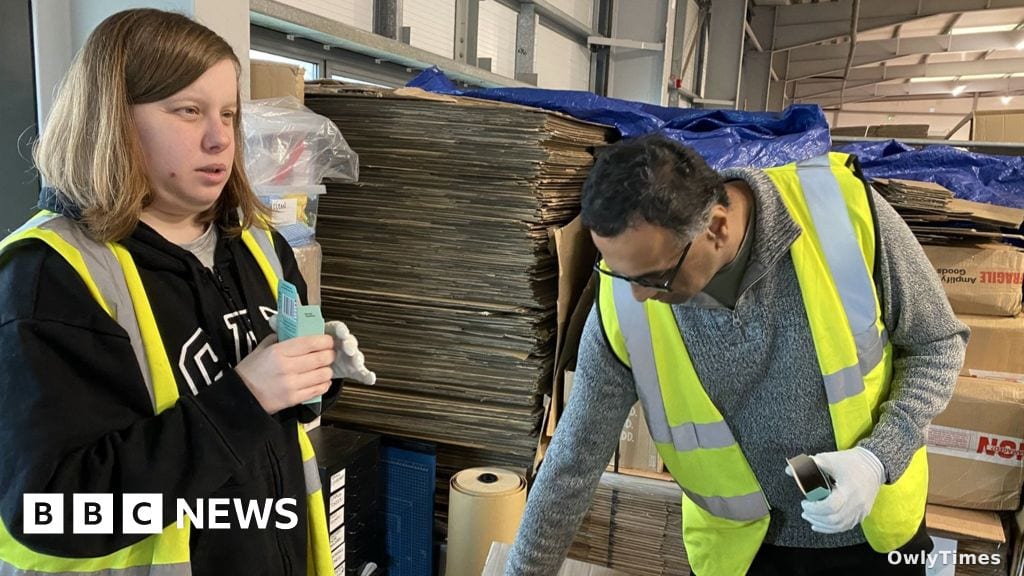
But the narrative doesn’t end with Clarity’s closure. Marcus-Dew, drawing on her experience, co-founded Amplify Goods, a new social enterprise operating out of a Crisis homelessness charity warehouse. Amplify’s model – providing paid work experience at the London Living Wage to individuals facing multiple disadvantages, including homelessness, disability, and ex-offenders – directly addresses the gaps left by Clarity’s collapse. The company currently generates over 1,000 hours of work annually, a modest figure compared to Clarity’s historical scale, but a significant step in rebuilding opportunities for marginalized communities. The success story of Yusuf Hussein, who transitioned from a work experience placement at Amplify to a customer service role at Network Rail, exemplifies the potential for this model to facilitate genuine social mobility.
See the original the BBC story for the full account.
Amplify’s approach also distinguishes itself through a commitment to sustainability. Utilizing reused cardboard packaging and refillable bottles, the company minimizes waste, aligning its environmental practices with its social mission. This is a strategic advantage in a market increasingly sensitive to ethical consumption. While the UK ethical consumer market was valued at £42.6 billion in 2023 (Ethical Consumer Research Association), a 3% increase year-over-year, consumers are demanding greater transparency and demonstrable impact. Amplify’s focus on both social and environmental responsibility positions it to capitalize on this growing demand. Pasha Michaelsen, co-founder of Amplify Goods, highlights the importance of employment for self-worth: “The longer you’re out of employment, you start to lose confidence that you do have something to offer even just in being yourself.”
What this means for your wallet: the Clarity story is a cautionary tale about the fragility of social impact initiatives. But Amplify Goods demonstrates that consumer choices can drive positive change. Consider this: if every UK business switched to purchasing soap from social enterprises like Amplify, the collective impact on employment for vulnerable populations would be substantial. The question now is whether the market will prioritize purpose alongside price, and whether businesses will recognize the long-term value of investing in a more inclusive and sustainable supply chain. Watch for a rise in B-Corp certifications and increased demand for transparent supply chains – these are the indicators that consumers are truly putting their money where their values are.





