
The Exhaustion is Real: College Coaching Faces a Breaking Point
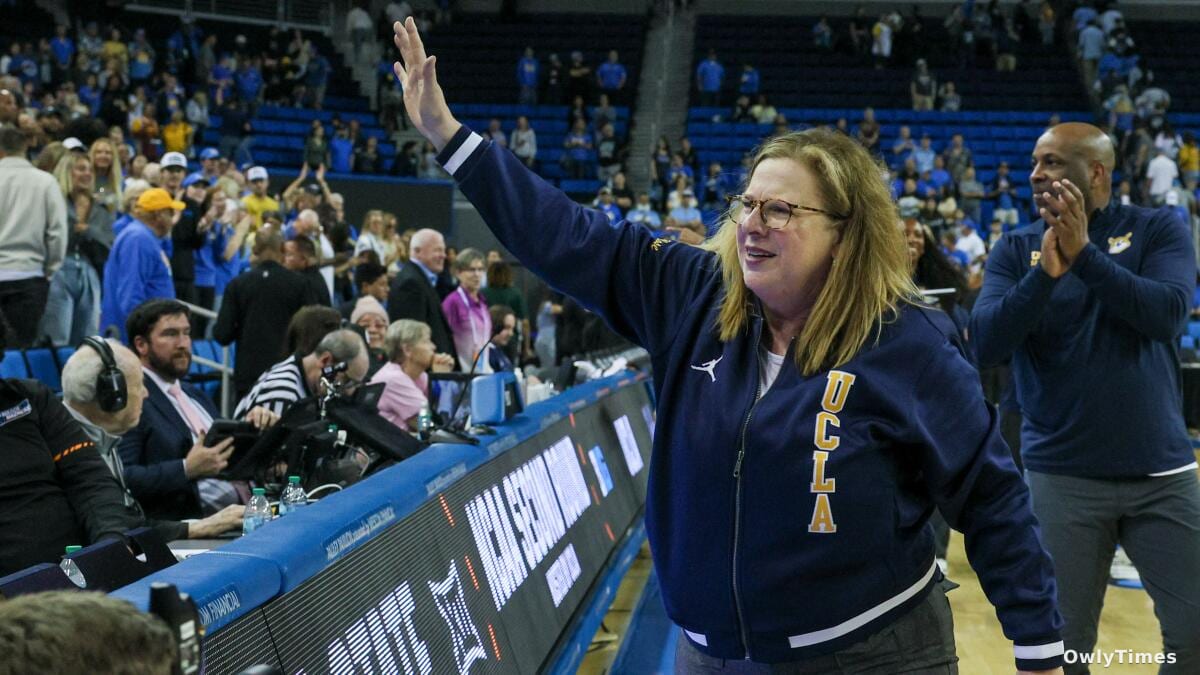
The image was deceptively calm: Cori Close, UCLA’s women’s basketball coach, calmly answering questions at a press conference in Sacramento just hours before her team’s Sweet 16 matchup against Minnesota. But her words cut through the tournament hype, revealing a stark truth about the state of college athletics. “I’ve never been as tired as I’ve been in the last two years,” she admitted, a confession that resonated far beyond the hardwood. It wasn’t a lament about a tough schedule or a demanding opponent; it was a raw acknowledgement of burnout in a profession undergoing a seismic shift, and a warning that the current pace isn’t sustainable. This isn’t just about basketball; it’s about a fundamental crisis in leadership within a system struggling to reconcile tradition with the realities of the modern athlete.
The timing of Close’s remarks is crucial. Her Bruins (33-1) entered the Sweet 16 on a 27-game winning streak, a testament to her coaching prowess and the team’s talent – a talent increasingly assembled through the transfer portal. Three of her starters, Lauren Betts, Charlisse Leger-Walker, and Gianna Kneepkens, all began their collegiate careers at other schools. This isn’t a criticism of Close or UCLA’s success, but a symptom of the new normal. The transfer portal, coupled with the advent of Name, Image, and Likeness (NIL) deals, has fundamentally altered the coach-player dynamic, demanding a constant cycle of recruitment, retention, and adaptation. The old model of building a program through years of development is rapidly becoming obsolete, replaced by a relentless pursuit of immediate impact. This shift, while offering opportunities for athletes, is placing an unprecedented burden on coaches.
Original reporting: the Los Angeles Times.
The reaction to Close’s honesty was swift and, predictably, divided. Jeff Walz, coach of Louisville, offered a blunt counterpoint: “If you don’t like your job, find a new job.” It’s a sentiment that, on the surface, feels dismissive, even harsh. But it speaks to a generational difference in perspective. Walz, like many established coaches, entered the profession understanding a certain set of expectations. The current landscape, with its constant demands and ethical ambiguities, feels alienating. However, framing it as simply a matter of personal preference ignores the systemic issues Close is highlighting. The NCAA’s belated embrace of NIL – Close rightly points out it “should have happened 20 years ago” – was done without adequate infrastructure or regulation, leaving coaches to navigate a chaotic and often unfair playing field. The average coach’s salary in women’s basketball is around $78,000, according to a 2023 NCAA report, a figure that barely reflects the time commitment and pressure now required.
The departures of coaching legends like Tara VanDerveer (Stanford) and Lisa Bluder (Iowa) in recent seasons aren’t isolated incidents. While retirement is a natural part of any career, the timing and the underlying reasons – the constant churn, the NIL complexities, the administrative burdens – suggest a deeper malaise. Kenny Brooks, coach of Kentucky, articulated the frustration succinctly: “It’s ever-changing, and that’s the frustrating part, because you can never get a grasp on any of it.” This sense of perpetual instability isn’t just exhausting; it’s eroding the foundations of the game. Coaches are spending less time coaching and more time managing a complex web of NIL deals, transfer portal inquiries, and administrative demands. The focus shifts from player development to roster management, from building a team culture to simply assembling a competitive unit.
Cori Close’s plea for “infrastructure and boundaries” isn’t about coddling coaches; it’s about preserving the integrity of the game. She’s asking for a system that supports sustained excellence, not just fleeting success. The question now is whether the NCAA and university administrations will heed her warning. Will they prioritize long-term stability over short-term gains? Will they invest in the resources necessary to navigate this new era of college athletics? Or will they continue to allow coaches to shoulder the burden alone, risking a further exodus of experienced leadership and ultimately diminishing the quality of the game for the athletes they serve? The future of college coaching, and perhaps the future of college sports itself, hangs in the balance.

