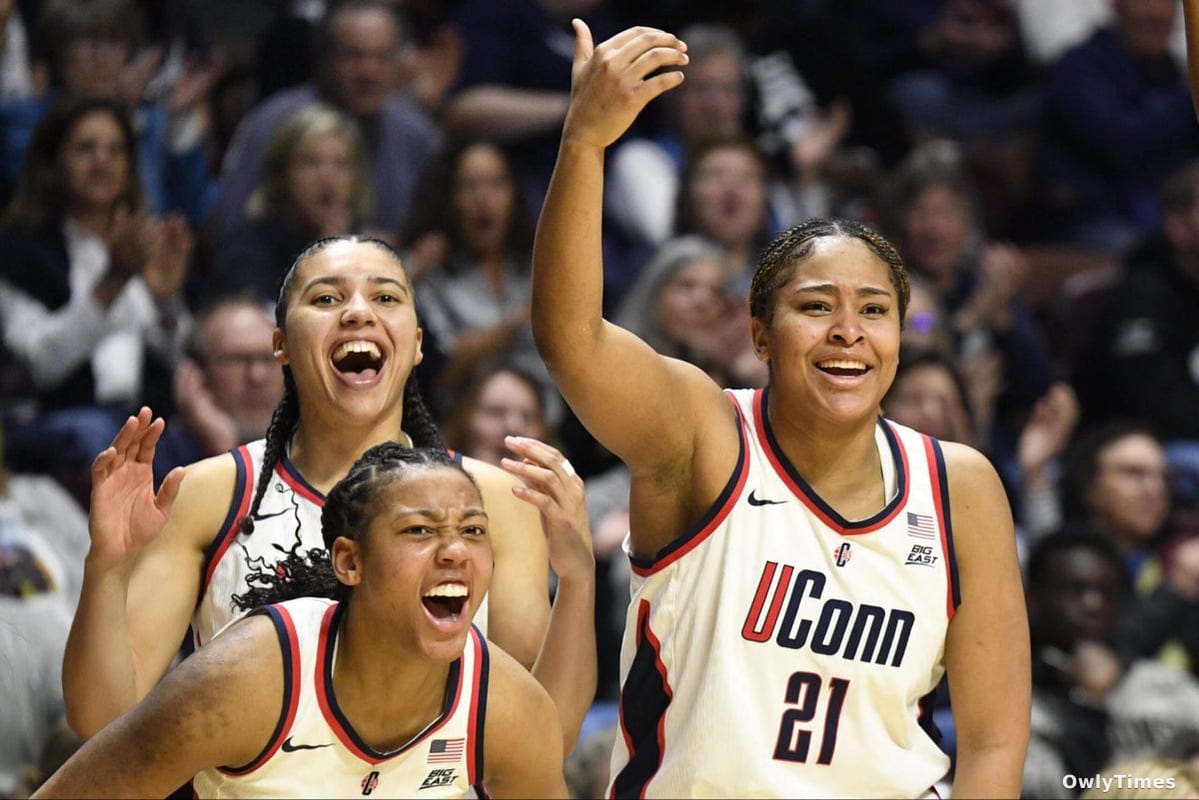

The air in Cleveland crackles with a different kind of electricity than it did a year ago. Last year’s Final Four felt like a coronation, a predictable march of powerhouses. This year, despite the familiar faces – UConn, UCLA, Texas, and South Carolina all returning to the national semifinals – there’s a palpable tension, a sense that the script could be ripped up. It’s not just about who will win, but about what a repeat performance, or a stunning upset, says about the evolving landscape of women’s college basketball. This isn’t simply a tournament; it’s a referendum on sustained excellence versus the fleeting allure of the transfer portal, and a test of whether building a dynasty still matters in the age of instant gratification.
The Era of Established Order
For the second consecutive season, the Final Four is comprised of the same four teams, a feat only accomplished once before in 1996. And the dominance wasn’t just present in reaching the final weekend – the Elite Eight games were decided by an average of 23 points, the largest margin in tournament history. This isn’t a sign of a broken system, as some might argue in the men’s game when upsets dominate. Instead, it’s a testament to the power of programs built on consistent coaching, player development, and a clear identity. Think of Geno Auriemma at UConn, Dawn Staley at South Carolina, Tara VanDerveer at Stanford (whose era is concluding), and now Cori Close at UCLA and Vic Schaefer at Texas, all architects of sustained success. These aren’t flash-in-the-pan programs; they’re institutions, and their presence at the top isn’t accidental. The women’s game, unlike its male counterpart, often rewards longevity, a fact that’s increasingly rare in college athletics.
See the original The New York Times story for the full account.
Beyond the Brackets: The Portal Paradox
The narrative around college basketball is increasingly dominated by the transfer portal, a swirling vortex of player movement. Yet, remarkably, the teams standing tallest are those who have largely resisted the urge to constantly rebuild through one-and-done talent. While the portal offers opportunities for individual players, it often disrupts team chemistry and long-term development. The fact that these four programs – built on continuity and investment – are thriving while others chase quick fixes is a powerful statement. It suggests that the mercenary approach, while tempting, isn’t a guaranteed path to championship contention. This isn’t to say these teams haven’t utilized the portal, but they’ve done so strategically, supplementing existing talent rather than completely overhauling their rosters.
Stakes Beyond the Championship
This Final Four isn’t just about a national title; it’s about legacy. For UCLA, a championship would be the program’s first in the NCAA era, solidifying Cori Close’s place as a coaching legend. For Texas, it would be their first in 40 years, a return to glory for Vic Schaefer and a validation of the program’s resurgence. And for players like South Carolina’s Raven Johnson and UConn’s Azzi Fudd, already decorated winners, a championship would be the crowning achievement of their collegiate careers, a final flourish before heading to the WNBA. These aren’t just games; they’re moments that will define careers and shape the future of these programs. The weight of expectation is immense, and the potential rewards are even greater.
The Rivalries That Matter
The repeated matchups between these teams aren’t just coincidences; they’re building rivalries that elevate the sport. UConn and South Carolina have already established a compelling narrative, meeting in the Final Four for the third time in five seasons. The familiarity breeds intensity, and each encounter feels like a battle for supremacy. Now, UCLA and Texas are adding their own chapter to the story, mirroring the dynamic that Iowa and South Carolina forged during Caitlin Clark’s run. These aren’t just one-off games; they’re the foundation for sustained competition, creating storylines that resonate with fans and drive viewership. The fact that these programs are willing to consistently challenge each other is a testament to their ambition and a sign of a healthy, competitive landscape.
This Final Four isn’t just about crowning a champion; it’s about answering a fundamental question: can sustained success still trump the allure of the transfer portal? Will the programs that invest in long-term development continue to dominate, or will the constant churn of players ultimately lead to greater parity? And perhaps most importantly, will the next generation of coaches learn from the success of Auriemma, Staley, and their peers, prioritizing continuity and player development over quick fixes? The answers to these questions will not only shape the future of women’s college basketball but also offer valuable lessons for the entire landscape of collegiate athletics.