
Clyburn’s Calculated Return: Securing a Legacy and Challenging Succession Dynamics
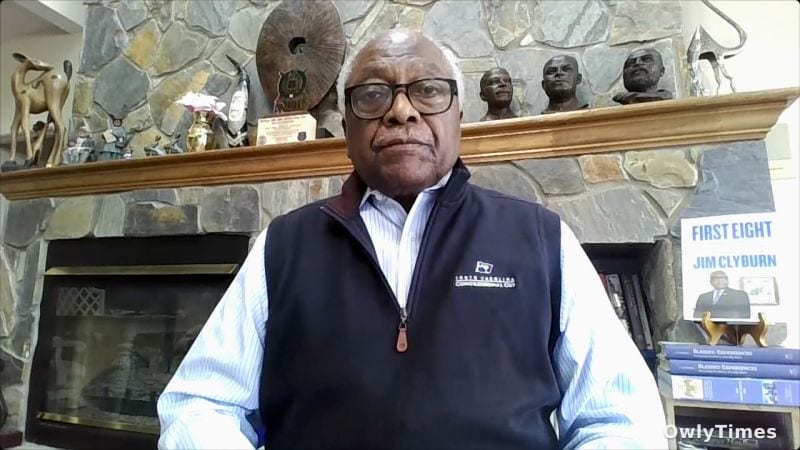
The decision by Jim Clyburn, at 85 years old, to seek re-election to South Carolina’s 6th Congressional District isn’t a sentimental gesture – it’s a strategic maneuver with implications extending far beyond his district. While framed as a continuation of service, Clyburn’s move is fundamentally about controlling the narrative surrounding his succession and preserving his influence within the House Democratic caucus, particularly as the party navigates a potentially turbulent post-Biden landscape. The timing, coinciding with heightened anxieties about the upcoming election and internal debates over leadership, reveals a calculated effort to solidify his position as a kingmaker, not simply a departing elder statesman.
The immediate beneficiaries of Clyburn’s decision are, predictably, those aligned with his moderate-to-conservative wing of the Democratic party. His continued presence delays the inevitable scramble for his seat, a district he’s held since 1993, and prevents a potentially disruptive primary battle that could expose divisions within the South Carolina delegation. Conversely, those hoping for a more progressive successor – and a shift in the district’s representation – are demonstrably disadvantaged. This dynamic mirrors historical instances of powerful legislators extending their tenures not for policy gains, but to manage their legacies and influence the selection of their replacements. Think of the late Robert Byrd of West Virginia, who remained in the Senate well into his 90s, actively shaping the careers of younger Democrats and maintaining control over key committee assignments.
Reporting from CNN informs this analysis.
The context of Clyburn’s announcement is crucial. The CNN coverage, alongside a broader media landscape, is saturated with stories about potential shifts in the geopolitical order – from the ongoing conflicts in Ukraine and the Middle East, to the increasingly unpredictable stance of former President Trump on foreign policy. This backdrop amplifies the perceived need for experienced, pragmatic voices like Clyburn’s within the Democratic party. His long-standing relationships with key stakeholders, both domestically and internationally, are seen as valuable assets in a moment of global instability. The fact that this announcement comes amidst coverage of potential US involvement in further conflicts – as evidenced by segments on securing oil shipping routes and debates over military intervention in Iran – underscores the perceived value of his institutional knowledge.
However, the move isn’t without its contradictions. Clyburn has consistently advocated for a younger generation of leaders, yet his decision effectively blocks a potential opportunity for someone new to emerge. He’s also been a vocal critic of the increasing age of political leaders, a point that now feels somewhat ironic. This tension highlights a common paradox in politics: the desire for renewal often clashes with the realities of power and the reluctance of established figures to relinquish control. The parallel to Nancy Pelosi’s continued leadership role despite calls for a new generation of House Democrats is striking. Both figures, while advocating for change, ultimately prioritized maintaining their influence over facilitating a smooth transition.
The implications for the 2024 election are also significant. South Carolina is an early primary state, and Clyburn’s endorsement carries considerable weight, particularly with African American voters. His continued presence ensures he can continue to wield that influence, potentially shaping the outcome of the presidential race and influencing the party’s platform. The fact that Trump is facing scrutiny for delaying endorsements in the Texas Senate race, as reported by CNN, further emphasizes the strategic importance of endorsements from influential figures like Clyburn. The power to anoint candidates, even in seemingly unrelated races, is a valuable commodity in a closely divided political landscape.
Looking ahead, the key political chess move to watch is not simply if Clyburn wins re-election, but how he uses his remaining time in office. Will he actively groom a successor, and if so, who? Will he leverage his committee assignments to advance specific policy priorities, or will he focus on solidifying his legacy as a mentor and strategist? The answer to these questions will reveal the true extent of his strategic calculation and the long-term impact of his decision to run again. The next six months will demonstrate whether this is a final act of service, or a carefully orchestrated power play to shape the future of the Democratic party.





