
The Strategic Silence: How Trump’s FCC is Redrawing the Lines of Late-Night TV
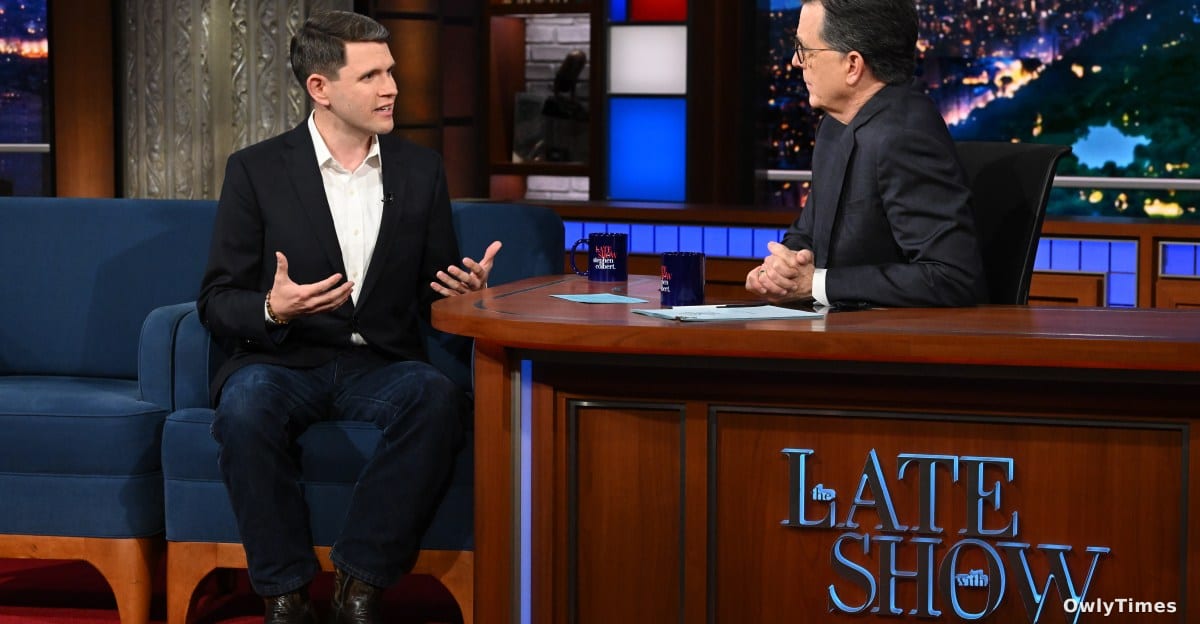
The escalating dispute between Stephen Colbert and CBS isn’t about a single interview with Texas Senate candidate James Talarico; it’s a calculated pressure test on the boundaries of political speech in a media landscape increasingly wary of regulatory reprisal. The initial narrative – a network censoring a host to avoid FCC scrutiny – proved too neat, but the underlying strategic calculus remains: Donald Trump’s administration, through a reinvigorated FCC under Brendan Carr, is leveraging a decades-old regulation to exert influence over late-night and daytime talk shows, and the resulting self-censorship is the intended consequence. This isn’t simply about protecting Trump from criticism; it’s about establishing a precedent for controlling the narrative during an election year.
The core of the conflict lies in the “equal-time” rule, a provision originally intended to ensure fairness in broadcast coverage of political candidates. While historically waived for entertainment programs like late-night shows, the FCC’s January announcement signaled a shift. This isn’t a novel interpretation of the rule itself, but a deliberate escalation of enforcement, targeting programs perceived as critical of the former president. The timing is crucial. With Trump actively campaigning, the FCC’s actions serve as a warning to networks: critical coverage will be met with investigation and potential penalties. The parallel to historical precedents is stark – think of the Fairness Doctrine, used in the 20th century to regulate broadcast content and, critics argue, stifle dissenting voices. The current situation, while operating under a different legal framework, shares the same underlying impulse: to shape the public discourse through regulatory pressure.
Reporting from vox.com informs this analysis.
Who benefits and who loses in this scenario? Trump and his allies clearly gain by potentially silencing critical voices. Brendan Carr, as FCC chair, solidifies his position as a loyalist and demonstrates the administration’s willingness to weaponize the agency. CBS and Paramount, facing potential legal battles and the looming cancellation of The Late Show in May, are caught in a precarious position. Their statement claiming they offered “legal guidance” rather than a prohibition is a carefully worded attempt to mitigate damage, but it doesn’t erase the perception of yielding to pressure. Jimmy Kimmel, previously suspended by Disney/ABC after similar FCC criticism, is a cautionary tale. And, crucially, the Democratic candidates like Talarico find themselves navigating a landscape where even securing an interview can become a political minefield. The fact that early voting in the Texas Senate primary began the same day as this controversy erupted adds another layer of complexity, suggesting a deliberate attempt to influence the election cycle.
The involvement of Jasmine Crockett, Talarico’s primary opponent, further complicates the narrative. Her suggestion that the controversy might be a strategic boost for Talarico, coupled with her emphasis on “exactly what happened versus the mania,” reveals a keen awareness of the political dynamics at play. While not defending the FCC’s actions, she’s adeptly framing the situation to her advantage, highlighting the potential for manufactured outrage. This underscores a broader trend: the blurring of lines between genuine outrage and calculated political maneuvering. The 5 million+ views the interview has garnered on YouTube, after being sidelined from broadcast, ironically demonstrates the limits of this attempted censorship – the story has reached a wider audience precisely because of the controversy.
The political chess move to watch next isn’t whether CBS will issue a further clarification, but whether the FCC will formally investigate ABC’s The View for its earlier interview with Talarico. A formal investigation would signal that this isn’t merely a warning, but a sustained effort to enforce the equal-time rule aggressively. More importantly, it will reveal the extent to which Carr is willing to push the boundaries of the FCC’s authority, and whether the courts will ultimately uphold his interpretation. The question isn’t just about late-night comedy; it’s about the future of political speech on broadcast television, and the chilling effect of regulatory intimidation.





