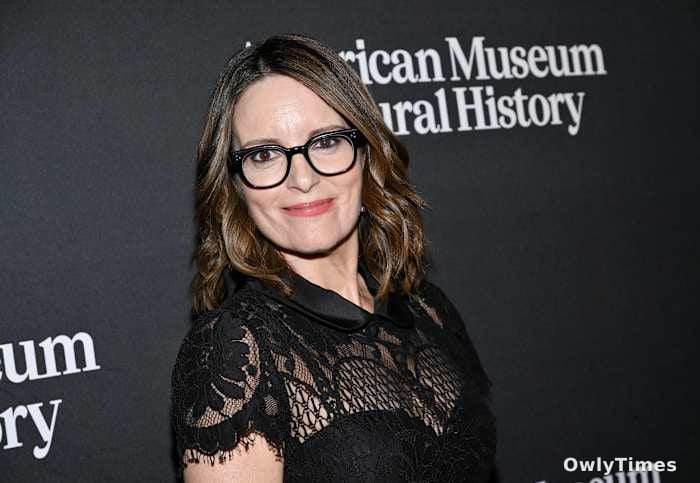

Is “Saturday Night Live” finally cracking the code of international comedy, or is the UK launch just another expensive experiment in cultural translation? The debut of “Saturday Night Live UK” this weekend, hosted by Tina Fey, has sparked a surprisingly muted but generally positive reaction, a far cry from the predicted disaster many industry observers anticipated. The real story here isn't whether a British version of “SNL” can exist – it’s about what this says about the increasingly fragile model of late-night comedy in the age of TikTok and on-demand entertainment.
For decades, the American “SNL,” launched in 1975, has been a kingmaker for comedians, launching the careers of Bill Murray, Eddie Murphy, Gilda Radner, and Kristen Wiig. Attempts to replicate that success elsewhere have consistently fallen flat. France, Japan, Italy – all have seen “SNL” iterations sputter and die. South Korea is the notable exception, maintaining a version, but even there, the cultural resonance isn’t the same as its American counterpart. The UK, with its shared language and similar cultural touchstones, felt like the most logical next step, yet skepticism remained high. As Nick Hilton of The Independent pointed out, much of the first episode felt like “tepid cosplay” of the original, a fair assessment given the show’s adherence to the established format. The opening skit, featuring a flustered Prime Minister Keir Starmer seeking advice on how to interact with Donald Trump (who, predictably, shared the clip on Truth Social without comment), felt safe, almost…calculated.
See the original click2houston.com story for the full account.
The success, if you can call a “shockingly competent” (according to The Telegraph) debut that, is largely attributed to the cast of largely unknown British comedians: George Fouracres, Hammed Animashaun, Ayoade Bamgboye, and others. This isn’t a case of importing established stars; it’s a gamble on fresh talent. And that’s crucial. The American “SNL” relies heavily on the star power of its hosts and musical guests, but the UK version, airing on the relatively niche Sky One and NOW streaming service, needs to build an audience organically. The fact that Fey’s monologue garnered over 730,000 views on YouTube by Sunday afternoon demonstrates the potential of social media to amplify the show’s reach beyond traditional television viewership. However, that initial boost relies on a known quantity like Fey; the challenge will be sustaining momentum with subsequent, less-famous hosts like Jamie Dorman and Riz Ahmed.
What’s particularly interesting is the show’s willingness to embrace a level of edginess absent from the American version. British broadcasting rules allow for more frequent use of profanity, and the UK “SNL” didn’t shy away from it. More significantly, the show tackled sensitive topics like the Epstein files and allegations against Prince Andrew, a level of risk-taking that would likely be met with greater resistance across the Atlantic. This isn’t simply about swearing; it’s about a different cultural tolerance for dark humor and satire. But even this boldness feels…measured. The show is walking a tightrope, attempting to be provocative without alienating a broad audience. The jokes about pedophiles, while present, were met with mixed reactions, highlighting the inherent difficulty of navigating such sensitive territory.
The eight-episode initial run feels deliberately cautious. Lorne Michaels, the show’s creator and executive producer, isn’t betting the farm on this venture. He’s testing the waters, gauging whether the “SNL” formula can translate to a different cultural context. The question isn’t just whether “SNL UK” will survive beyond eight episodes, but whether it can evolve into something genuinely distinct, something that doesn’t simply feel like a pale imitation of its American progenitor. The real test will come when the show is no longer propped up by celebrity hosts and must rely solely on the strength of its writing and the charisma of its cast. Watch for a significant drop in viewership after the initial buzz fades – if the show can maintain even a modest audience, it will signal a potential shift in the global landscape of late-night comedy. If it doesn’t, expect “SNL UK” to join the long list of international failures, a cautionary tale about the enduring power of American cultural exports.