
The escalating conversation around climate change often frames its most severe consequences as distant future threats, looming on a far horizon. However, new data from Colorado challenges this perspective, presenting a clear picture of immediate, tangible health impacts already being felt by residents. The scientific question at the heart of this inquiry is: To what extent are the health ramifications of a changing climate a present-day reality, rather than a speculative future concern, for communities like those in Colorado?
Unpacking Colorado's Health Climate Survey
New survey data from the Colorado Health Institute (CHI), a nonpartisan health policy research organization, offers a compelling answer. What the study actually found, rather than what broad headlines might suggest about future problems, is that climate change is already a "big problem that’s here right now," as stated by Joe Hanel, CHI’s communications director. The figures, drawn from CHI's every-other-year Colorado Health Access Survey—a tool widely recognized for tracking health insurance changes—reveal that a striking 81.7% of Coloradans believe that the changing climate affects people’s health. More acutely, 37.7% of Coloradans reported that their own health or a family member’s health was impacted by climate change within the previous year. This percentage translates to approximately 1.5 million people, underscoring the widespread and personal nature of these health challenges across the state.
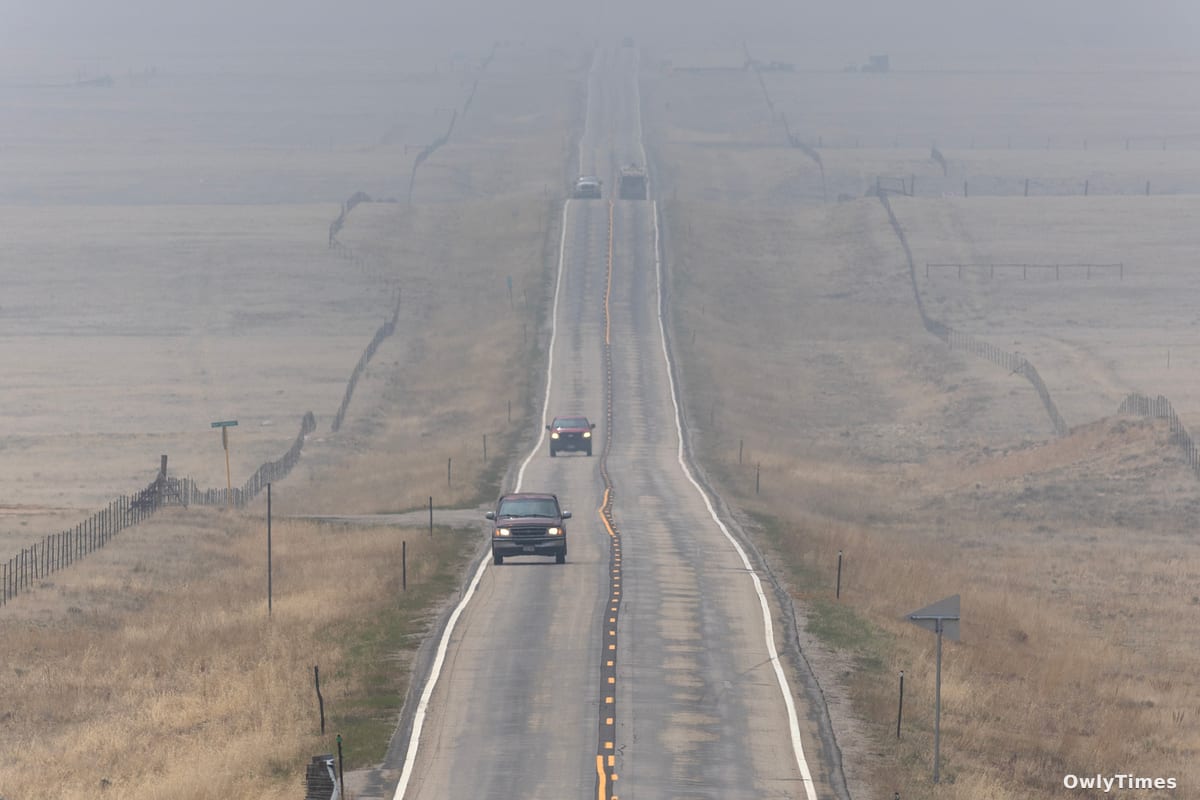
The methodology behind these findings is crucial: the Colorado Health Access Survey, which began incorporating climate change questions a few years ago, collects self-reported data directly from residents. This allows for a direct correlation between perceived environmental changes and personal health experiences. For instance, the most frequently cited health issues were respiratory illnesses or breathing problems, affecting 26.8% of respondents and their families. This finding resonates with visible events, such as vehicles commuting on U.S. 24 outside Hartsel amid low visibility from wildfire smoke on May 22, 2023, or the haze filtering through The Lakes at Centerra neighborhood in Loveland from the Alexander Mountain fire on July 29, 2024, as reported by Hugh Carey and Dale Ulland for The Colorado Sun. Beyond physical ailments, the survey highlights a significant mental health toll, with 9.9% reporting mental health or substance use issues—a stark indicator of the climate anxiety permeating some communities.
Bridging Communication Gaps and Challenging Divides
The CHI report also illuminates crucial disparities in understanding and belief, guiding where public health efforts are most needed. Of the 6% of individuals who were unaware that climate change could impact health, a disproportionate number spoke a language other than English at home. This highlights a critical need for information to be available in multiple languages and for public health authorities to cultivate strong, localized relationships within diverse communities, ensuring messaging that truly resonates. Lindsey Whittington, CHI’s data and analysis manager, emphasized that meaningful engagement "really happens meaningfully, where you’re making those local relationships." This insight moves beyond a simple dissemination of facts to a more nuanced approach to public health communication.
The survey also delved into the 12.3% of people who express disbelief in climate change or its health impacts. This group tends to be male, middle-aged, middle-income, or live in rural areas. Whittington clarified that the goal of examining this demographic is not to convert them into "climate change converts" but to identify areas for common ground. For example, individuals may not believe in human-caused global warming but still express concern over how environmental shifts affect water supply, agricultural systems, or snowpack. This pragmatic approach emphasizes making the conversation "relevant to people." Furthermore, Hanel noted that even within these specific groups, those who don't believe in climate change account for no more than 18%. This powerfully refutes the common notion that the public is closely divided on the issue, asserting that "there really isn’t much of a controversy among Coloradans about whether the climate is changing or whether it affects health," according to the original reporting by The Colorado Sun.
Limitations to Consider
While invaluable for understanding public perception and self-reported health impacts, it is important to consider the inherent limitations of survey data. The findings reflect individual experiences and perceptions rather than clinical diagnoses or direct causal links established through controlled scientific experiments. As such, while the correlations are strong and compelling, they represent a snapshot of self-reported health burdens. Additionally, the data is specific to Colorado, meaning direct generalizability to other regions with different climates, demographics, or existing health infrastructures should be approached with caution. The strength of this study lies in its ability to capture a broad public sentiment and identify areas for targeted intervention, rather than providing definitive epidemiological proof of specific health outcomes.
Paving the Way for Future Research and Action
The insights from the Colorado Health Access Survey are directly informing CHI’s Acclimate Colorado project, which aims to prepare communities for the impacts of a changing climate. The report serves as a vital roadmap, pinpointing where and what types of climate-related public health efforts are most urgently needed. Moving forward, the continued, every-other-year nature of the Colorado Health Access Survey will be crucial. Future iterations will allow researchers to track changes in public perception, the prevalence of climate-related health issues, and the effectiveness of new public health initiatives. Understanding these trends will enable adaptive strategies, ensuring that public health responses remain relevant and impactful as the climate continues to evolve. This ongoing data collection and the subsequent targeted interventions, like those championed by the Colorado Health Institute, are essential steps in moving from acknowledging a present problem to actively mitigating its health consequences.





