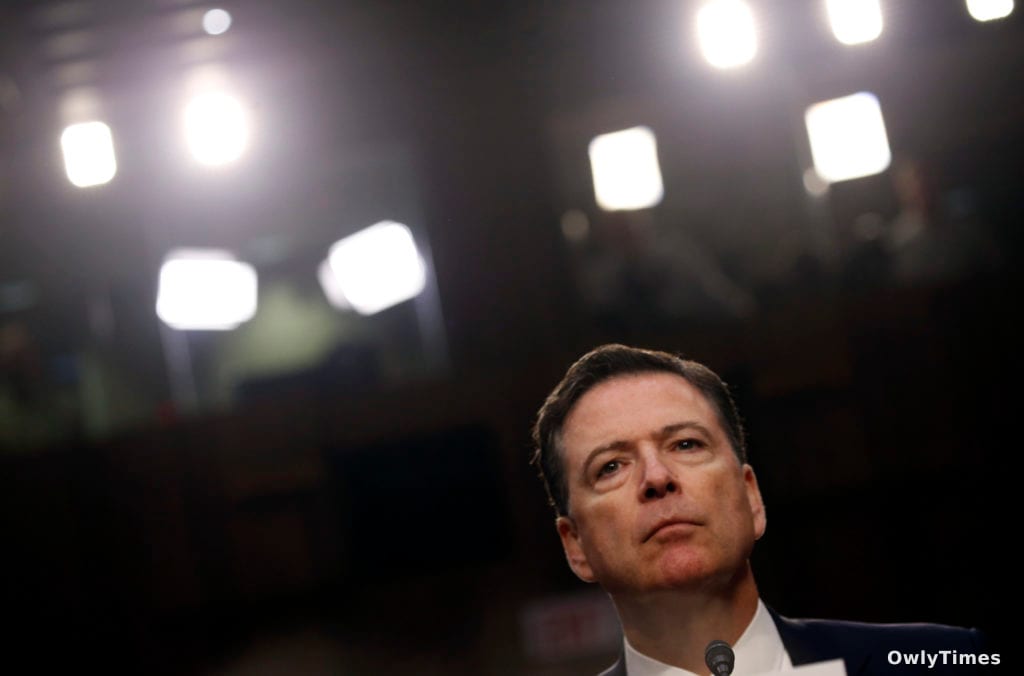

The latest indictment of former FBI Director James Comey is less about the alleged illegality of a beachside photograph and more about the internal signaling required to secure the top seat at the Justice Department. By moving forward with charges related to an image of seashells arranged on a beach—posted nearly a year ago—the Department of Justice is signaling a shift from standard prosecutorial discretion toward a strategy of institutional leverage. Acting Attorney General Todd Blanche, a former personal lawyer to President Donald Trump, is currently operating under the intense pressure of a performance-based audition. His strategic calculus is transparent: demonstrate absolute alignment with the President’s grievances to solidify his transition from "acting" to permanent status.
The Calculus of Institutional Loyalty
In this power dynamic, Blanche benefits by positioning himself as the enforcer of the President’s personal agenda, effectively insulating his standing within the administration. However, the Department of Justice loses the veneer of independent objectivity. By pursuing a second indictment in a matter of months against a high-profile political opponent, the institution risks inviting claims of vindictive prosecution. When a department previously tasked with the neutral application of federal law begins to prioritize the settling of historical scores, it undermines its own credibility with the judiciary.
A Legacy of Institutional Conflict
The friction between Comey and Trump is not new; it dates back to the early months of the President's first term, when Comey oversaw the initial investigation into whether the 2016 campaign had coordinated with Russia. Their open feud has been a defining feature of the political landscape for years. History shows that when executive power is exerted to target former heads of intelligence agencies, the resulting institutional instability often lingers long after the specific legal proceedings conclude. The current path mirrors the historical tensions seen during periods of intense political polarization, where the lines between the executive branch and the law enforcement apparatus become dangerously blurred.
Who Bears the Political Cost
The primary beneficiary of this legal maneuver is the President, who sees the continued prosecution of a prominent critic as a tangible assertion of executive authority. Conversely, Comey is forced into a defensive posture, occupying his resources and public narrative with a case that follows the dismissal of a separate, unrelated indictment. While the administration frames this as a necessary investigation into a perceived threat, the timing of the indictment suggests that the primary motivation is the solidification of Blanche’s own career trajectory. The administration is betting that the political capital gained by targeting a long-standing antagonist outweighs the long-term institutional damage to the Department of Justice.
Watching the Threshold of Vindictive Prosecution
Legal observers will be looking to see how the court handles the specific claim of vindictive prosecution, given that this second attempt follows a recently dismissed case. The central question for the coming months will be whether the government can justify the escalation of a year-old social media post into a federal indictment without further eroding the public’s trust in the department's impartiality. The next movement in the courts will indicate whether this strategy of targeting political opponents is legally sustainable or if the judiciary will move to check the administration’s aggressive use of the prosecutorial apparatus.





