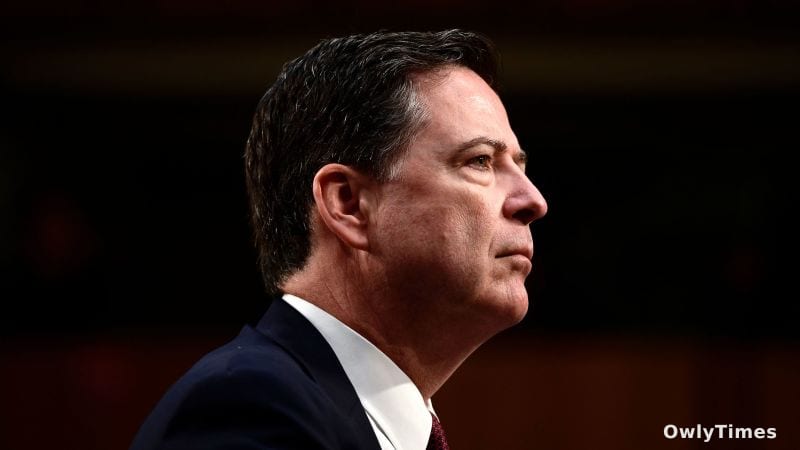

The indictment of former FBI Director James Comey by a federal grand jury on Tuesday represents a calculated escalation in the ongoing conflict between executive authority and the intelligence community. By centering a federal prosecution on a social media post of seashells, the administration signals its willingness to test the absolute boundaries of what constitutes a "threat" in interstate commerce to neutralize a high-profile adversary. This legal maneuver is not merely about a single digital image; it is a strategic effort to establish a precedent regarding how former officials can publicly dissent.
The charges—making a threat against President Donald Trump and transmitting a threat in interstate commerce—stem from a photo of seashells Comey posted last year. While officials assert the image carried a threatening message, the legal maneuver reveals a deeper political strategy of keeping a prominent critic entangled in the judicial system. This case marks the administration’s second attempt to prosecute the longtime Trump rival, underscoring the persistent nature of this political rivalry.
Legal Boundaries and Executive Leverage
In analyzing this development, we must ask: who benefits and who loses? For the administration, the benefit is twofold: it satisfies a long-standing political grievance and establishes a chilling precedent for former officials who use public platforms to criticize the presidency. The administration demonstrates to its base that it is willing to pursue its targets using the full weight of federal law enforcement.
Conversely, the Department of Justice loses perceived independence when it pursues charges that appear highly unusual to the public. By prosecuting an individual over a photo of seashells, the department risks being seen as an instrument of political retribution rather than an objective arbiter of law. The public's trust in institutional neutrality becomes the primary casualty in this high-stakes confrontation.
Historical Parallels of Executive Retaliation
This strategy of using federal statutes to target political opponents has clear historical precedents, most notably the Alien and Sedition Acts of 1798. Under those laws, the federal government criminalized speech that was deemed critical of the president or the government, leading to prosecutions of journalists and political rivals. While those laws were eventually abandoned, they demonstrated how easily the machinery of state security can be redirected to manage domestic political threats.
Similarly, the current indictment of Comey stretches the definition of "interstate commerce threats" to encompass symbolic social media posts. Throughout American history, tension has always existed between the executive branch and those who hold secrets from within the state apparatus. This indictment represents the modern digital equivalent of those historical struggles, where the medium has changed but the underlying power dynamics remain identical.
The Battleground of the Indictment
The legal battleground will focus heavily on the intent and context of the social media post. Comey, who has been a vocal critic since his firing in 2017, now faces a grand jury indictment that turns a seemingly benign image into a federal offense. The prosecution must prove that a photo of seashells constitutes a "true threat," a high legal standard established by federal jurisprudence.
The defense will likely argue that the prosecution is a politically motivated attempt to silence a critic, pointing to the fact that this is the second prosecution attempt. This clash will force the judiciary to define where political speech ends and criminal conduct begins in the digital age.
The next critical signal to watch is how the federal district court handles the inevitable motion to dismiss from Comey's legal team. The court's initial rulings on whether a photo of seashells can legally constitute a federal threat will indicate whether this prosecution will proceed to a full trial. This judicial response will ultimately show whether the legal system will allow social media posts to be weaponized in ongoing political rivalries.





