
Concord’s Restaurant Shuffle: A $300,000 Bet on Loudon Road
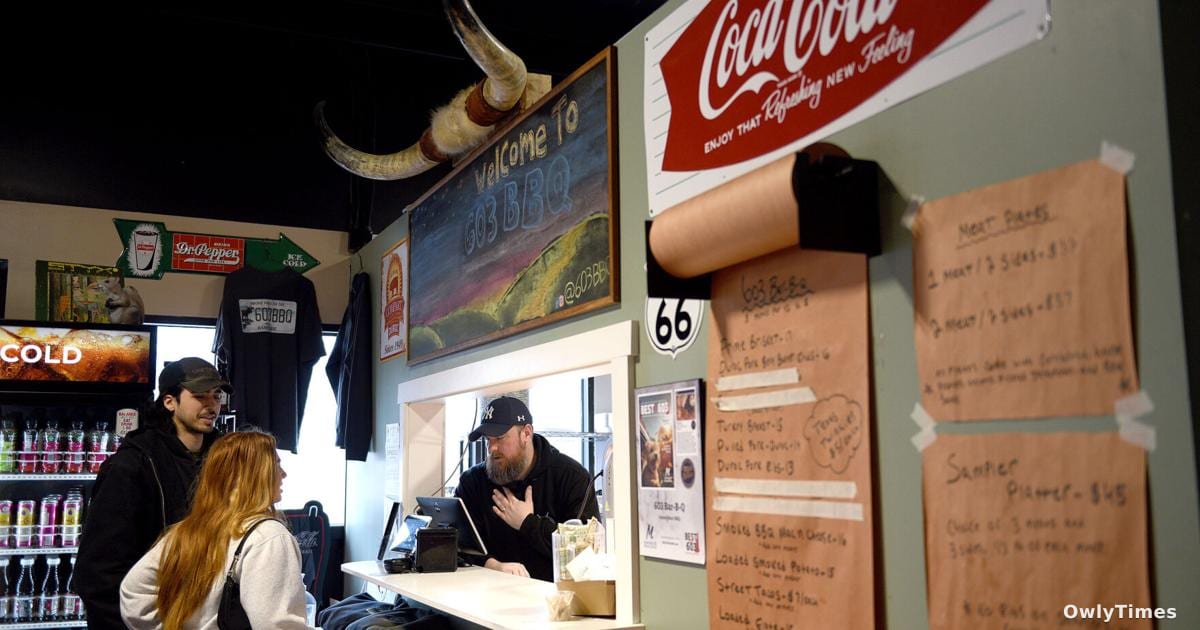
A relocation cost estimated at $300,000 is the quiet headline behind 603 Bar-B-Q’s move from its current Hall Street location in Concord, New Hampshire. While framed as a growth opportunity, the investment signals a calculated risk within the city’s evolving commercial real estate landscape, and a broader trend of restaurants prioritizing accessibility over co-location with breweries. The move, confirmed by owner Jonathan Phelps, isn’t simply about finding a bigger space; it’s about capturing a higher volume of traffic, a metric increasingly vital as food costs rise and discretionary spending tightens. This isn’t an isolated incident – the simultaneous launch of multiple food truck ventures, including Shorey’s Grilled Cheese, points to a strategic shift towards lower overhead and flexible market positioning.
See the original unionleader.com story for the full account.
The Lithermans Limited Effect: Shared Space, Diminishing Returns
603 Bar-B-Q’s initial success was intrinsically linked to its partnership with Lithermans Limited Brewing. The pairing offered a synergistic experience – craft beer and barbecue – that drew a consistent clientele. However, the arrangement’s limitations are now becoming apparent. Hall Street, while charming, lacks the visibility and direct access of Loudon Road, a major thoroughfare. Industry data shows restaurants located on high-traffic roads experience, on average, a 15-20% increase in foot traffic compared to those on secondary streets. While Lithermans continues to thrive, the data suggests the shared space’s benefit to 603 Bar-B-Q had plateaued, and the cost of remaining – even without a direct rent increase – outweighed the potential gains. This highlights a tension in the “co-location” model: initial synergy doesn’t guarantee long-term profitability, particularly when one business’s growth necessitates a different operational scale.
Food Trucks as a Low-Risk Expansion Strategy
The emergence of multiple food truck businesses – Shorey’s Grilled Cheese among them – isn’t a coincidence. The barrier to entry for a food truck is significantly lower than a brick-and-mortar restaurant, requiring an estimated $50,000 - $100,000 in startup capital versus $200,000 - $500,000 for a traditional restaurant build-out. This allows entrepreneurs to test concepts and build brand recognition with reduced financial risk. Furthermore, food trucks offer unparalleled flexibility, enabling operators to target peak demand locations and events. The New Hampshire Restaurant Association reported a 25% increase in food truck permit applications in the first quarter of 2024 compared to the same period last year, indicating a growing appetite for this business model. This trend is directly correlated with rising commercial lease rates and increasing labor costs, making the agility of a food truck increasingly attractive.
Loudon Road: A $300,000 Gamble on Visibility
The $300,000 investment in the Loudon Road location isn’t simply about square footage; it’s about capturing a larger share of Concord’s $75 million annual restaurant spending. Loudon Road boasts an average daily traffic count of 25,000 vehicles, according to the New Hampshire Department of Transportation. This increased visibility is expected to offset the relocation costs within 18-24 months, based on 603 Bar-B-Q’s current sales figures and projected growth. However, this projection relies on maintaining consistent food quality and service levels during the transition period, operating out of food trucks while the new location is prepared. Any disruption in customer experience could significantly impact revenue and delay the return on investment. The move also places 603 Bar-B-Q in direct competition with several established fast-casual restaurants along Loudon Road, intensifying the need for differentiation and effective marketing.
What this means for your wallet
The ripple effect of these changes will likely be felt by consumers in two ways. First, expect increased competition among food vendors, potentially leading to more promotional offers and value-driven menu options. Second, the rise of food trucks offers a more affordable dining experience, with average meal prices typically 10-15% lower than traditional restaurants. However, the key question for consumers is whether 603 Bar-B-Q can successfully navigate the transition and maintain the quality that built its loyal following. Watch for a potential price increase at the new location to offset the $300,000 investment – and more importantly, monitor whether the increased visibility translates into a noticeable improvement in wait times and overall customer satisfaction.