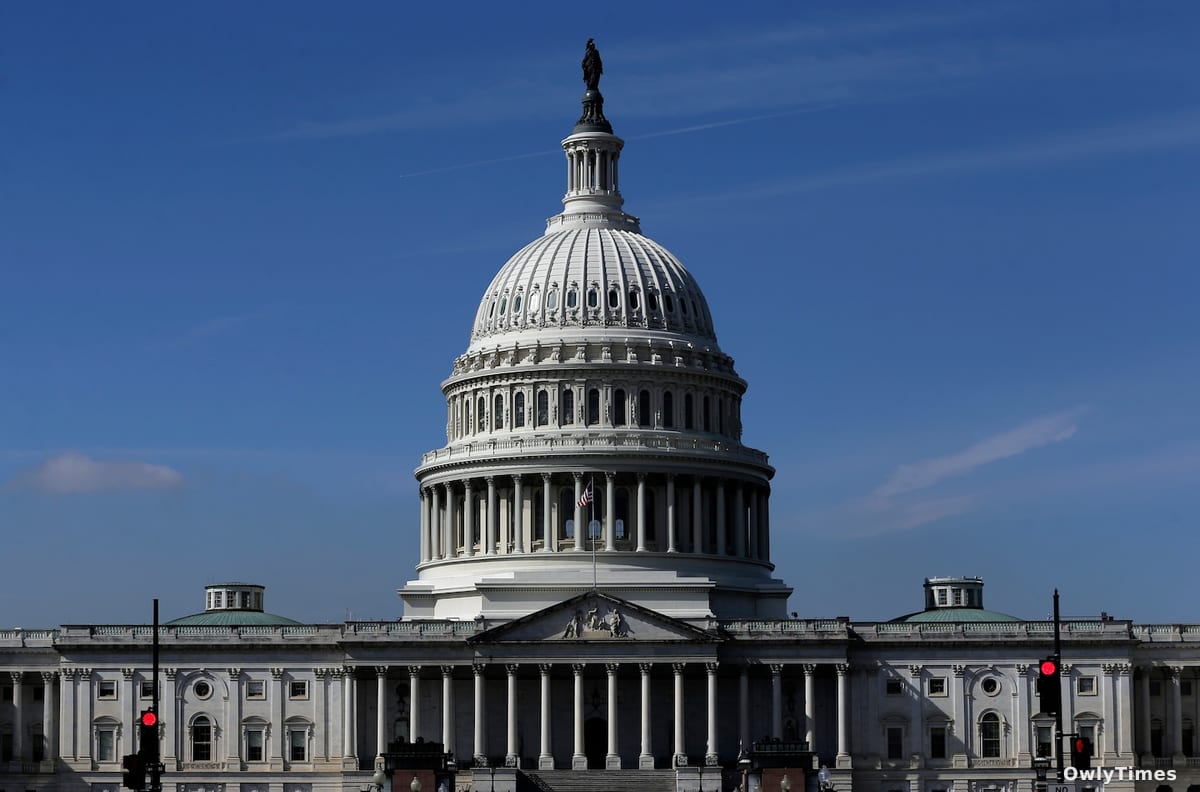

The escalating push for a war powers resolution regarding President Trump’s actions in Iran isn’t simply a constitutional debate; it’s a calculated maneuver to reassert congressional authority over executive action in foreign policy, a power steadily eroded over decades, and a direct response to a perceived pattern of opacity from the administration. The timing, just months before a critical midterm election, adds another layer of strategic complexity, forcing vulnerable incumbents to take a public stand on a high-stakes issue with potentially significant electoral consequences. This isn’t about preventing a single strike; it’s about redrawing the lines of power between the legislative and executive branches, a struggle with roots stretching back to the Vietnam War era.
A Historical Echo of Congressional Restraint
The current situation bears a striking resemblance to the debates surrounding the Gulf of Tonkin Resolution in 1964. While that resolution ultimately authorized expanded military action in Vietnam, the subsequent disillusionment with the war fueled a backlash against unchecked presidential power. The War Powers Resolution of 1973, passed in the wake of Vietnam, was Congress’s attempt to reclaim its constitutional authority over war-making. However, successive administrations have consistently tested the limits of that resolution, often arguing for broad interpretations of “national security interests.” President Trump’s recent actions in Iran – described by lawmakers as an “attack” without prior congressional authorization – are viewed by many as a deliberate provocation, designed to force a confrontation and potentially bypass the established legal framework. The demand for a vote isn’t necessarily about stopping the strikes themselves, but about establishing a precedent: any further military engagement requires explicit congressional approval.
This piece references the The Washington Post report.
Who Stands to Gain, and Who Faces Risk?
The primary beneficiaries of this push are members of Congress seeking to demonstrate independence from the executive branch, particularly those facing tough reelection battles in swing districts. A clear vote on war powers allows them to showcase their commitment to constitutional principles and potentially appeal to moderate voters wary of escalating conflicts. Senator Elizabeth Warren, a vocal critic of the administration’s foreign policy, has already publicly endorsed the resolution, framing it as a defense of democratic institutions. Conversely, President Trump and his allies stand to lose ground. A successful resolution would significantly constrain his ability to act unilaterally in the Middle East, potentially undermining his foreign policy agenda and damaging his image as a strong leader. Within the Republican party, the split is visible: while some staunch loyalists defend the President’s actions, others, particularly those with military or foreign policy expertise, express concern over the lack of congressional oversight. The potential for a bipartisan coalition against the President is real, though its ultimate strength remains uncertain.
The Economic Implications of Escalation
Beyond the political ramifications, the situation carries significant economic weight. Oil prices have already seen a modest increase following reports of the strikes, and further escalation could trigger a more substantial surge, impacting consumers and businesses alike. According to the Energy Information Administration, a sustained $10 increase in the price of crude oil could reduce U.S. GDP by approximately 0.3%. Manufacturing hubs in states like Ohio and Pennsylvania, already grappling with economic headwinds, are particularly vulnerable to disruptions in global supply chains and increased energy costs. This economic dimension adds another layer of pressure on lawmakers, forcing them to weigh the potential costs of military intervention against the immediate needs of their constituents. The February 27th date of the Congressional action coincides with a period of already heightened economic anxiety, amplifying the stakes.
Beyond Iran: The Broader Power Play
The conflict over war powers extends beyond the immediate situation in Iran. It’s part of a larger, ongoing struggle over the balance of power between the branches of government. President Trump’s frequent use of executive orders and his willingness to challenge established norms have consistently tested the limits of presidential authority. This latest confrontation is, in effect, a referendum on those actions. The administration’s argument – that it is acting in self-defense and has the inherent authority to protect U.S. interests – echoes justifications used by previous administrations, but the intensity of the congressional backlash suggests a growing resistance to this expansive view of executive power. The fact that key members of both parties are involved signals a broader concern about the erosion of congressional oversight.
The political chess move to watch next isn’t simply whether the war powers resolution passes, but how the President responds if it does. Will he veto the resolution, further escalating the conflict with Congress? Or will he attempt to negotiate a compromise, potentially conceding some degree of congressional oversight in exchange for continued flexibility in foreign policy? The answer to that question will reveal the true extent of his willingness to respect the constitutional boundaries of his office and will set the stage for future confrontations between the White House and Capitol Hill.





