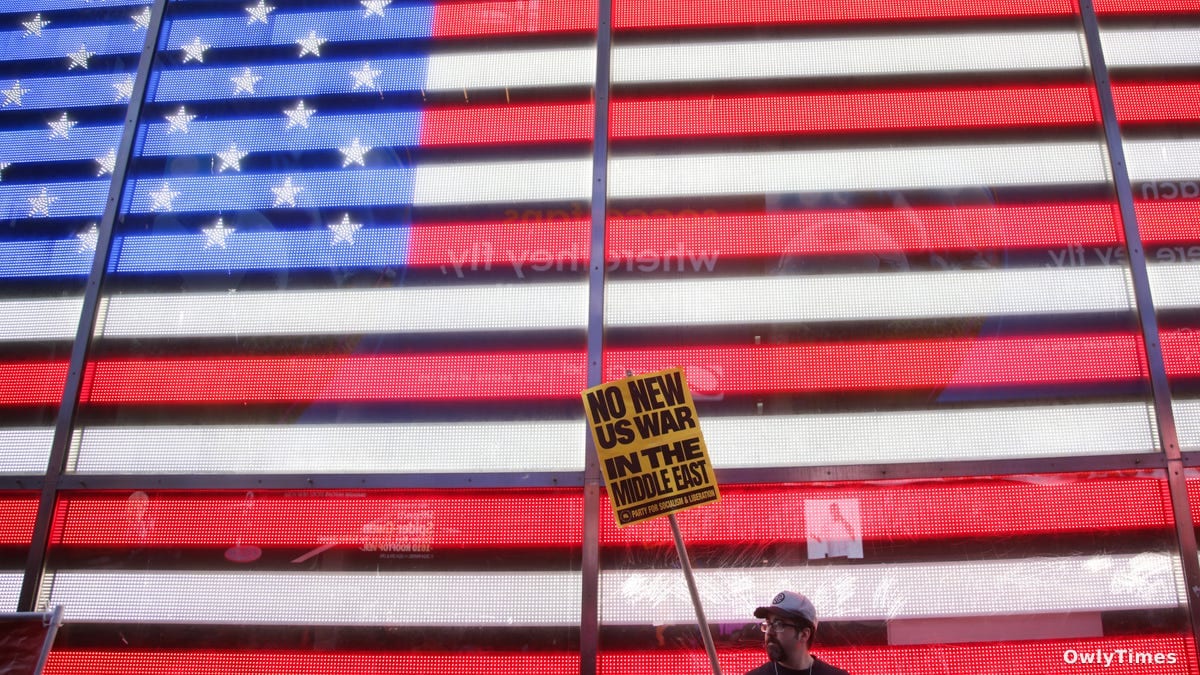

The calculus behind the Trump administration’s military engagement with Iran isn’t about immediate strategic gain, but about re-establishing a perception of strength – a perception that’s proving surprisingly difficult to sell even to his most loyal supporters. The initial strikes, framed as a response to the deaths of U.S. soldiers, are less a coherent foreign policy initiative and more a demonstration of resolve intended to project power domestically. This is a high-stakes gamble, as the fracturing of Trump’s base over interventionist policies threatens to undermine the coalition that propelled him to office, potentially shifting the momentum in the upcoming 2026 congressional elections.
Amanda Cline, a retired 47-year-old Navy veteran from Cherry Valley, California, and a three-time Trump voter, embodies this growing disillusionment. Her skepticism isn’t rooted in opposition to Trump himself, but in a deep-seated distrust of repeating the patterns of prolonged, open-ended military engagements that defined the post-9/11 era. “I don’t think it’s worth it,” Cline told USA TODAY, voicing a sentiment increasingly common among those who initially embraced Trump’s “America First” isolationism. The early loss of U.S. soldiers in the conflict, coupled with the vague assurances from Pentagon chief Pete Hegseth that this wouldn’t become another nation-building exercise, triggered a visceral reaction. Cline’s frustration – “It’s kind of insulting the intelligence of the American people” – speaks to a broader fatigue with justifications for war that echo past failures.
Drawn from USA Today.
This isn’t simply a matter of public opinion polls, though those are overwhelmingly negative. A Reuters/Ipsos survey showed only 27% approval of the strikes less than 48 hours after they began, while a Washington Post flash poll found 52% opposition. The deeper issue is the erosion of the core bargain Trump made with his base: a promise to end “endless wars.” The historical parallel is stark. Just as the Bush administration’s assurances following 9/11 ultimately gave way to prolonged conflicts in Iraq and Afghanistan, Hegseth’s pronouncements are met with cynicism born of experience. The risk isn’t just losing the war in Iran, but losing the trust of the voters who believed Trump would break the cycle of interventionism. Paul Brace, a political science professor emeritus at Rice University, notes the rarity of foreign policy significantly impacting domestic elections, but acknowledges the potential for this issue to exacerbate existing fissures within the Trump coalition, particularly alongside concerns about the handling of the Epstein files.
Who benefits and who loses from this shift? Democrats stand to gain, potentially turning a projected “blue wave” into a “tsunami” in 2026. The administration’s attempts to deflect criticism by focusing on Department of Homeland Security funding – as exemplified by Rep. Mike Lawler’s comments to Fox News – feel opportunistic and disconnected from the core issue of war fatigue. Within the Republican party, the hardline pro-interventionist wing, represented by figures like Senate Majority Leader John Thune, remains steadfastly supportive, framing the conflict as necessary for national security. However, this support is increasingly detached from the concerns of a significant segment of the base. Joe McGee, a Republican from Connecticut, while acknowledging Iran’s role as an “exporter of terrorism,” questioned Trump’s ability to manage the conflict, predicting Democratic gains in the midterms.
The narrative pushed by Heritage Foundation President Kevin Roberts – that the administration is “kneecapping” the largest state sponsor of terrorism and will avoid nation-building – is a crucial attempt to shore up support within the conservative movement. The claim that Trump will be “dialed in” on affordability to mitigate electoral damage is a calculated move, acknowledging the economic anxieties that underpin much of his support. But the success of this strategy hinges on maintaining a clear and consistent message, something the administration has so far struggled to deliver. The underlying tension is clear: Trump needs to project strength to maintain his base, but projecting strength through military action risks alienating the very voters who propelled him to power.
The political chess move to watch next isn’t on the battlefield, but in the Republican primaries. Will challengers emerge who explicitly campaign on an anti-interventionist platform, directly challenging Trump’s foreign policy? The answer to that question will reveal the true depth of the fracture within the MAGA coalition and determine whether this war becomes a catalyst for a broader realignment of American politics.





