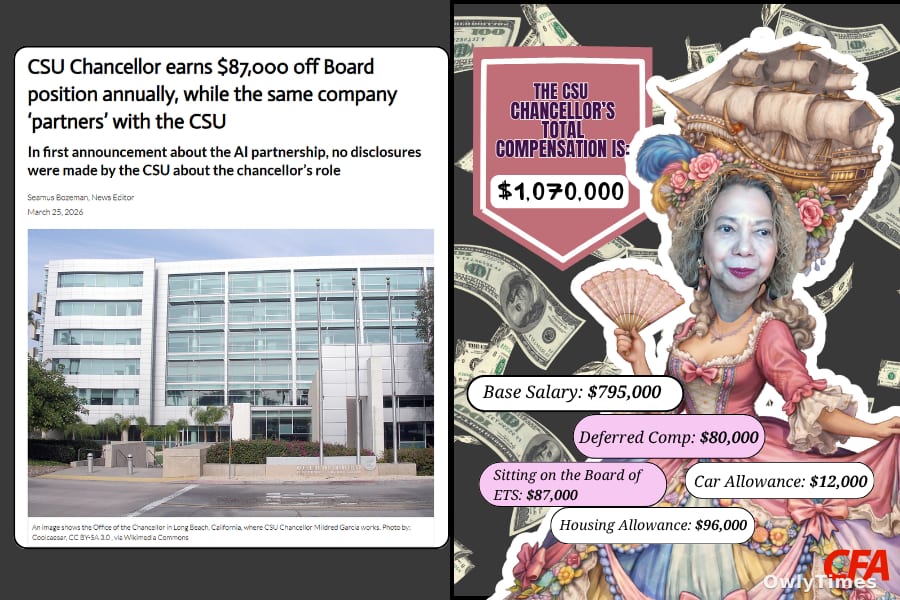

$107,000: That’s the figure that should be dominating the conversation around California State University (CSU) Chancellor Mildred García, not the rollout of a new AI career platform. While the CSU system trumpets the launch of Futurenav Compass, an AI-driven career exploration tool developed by Educational Testing Service (ETS), a closer look reveals a deeply concerning conflict of interest: García, simultaneously serving as CSU chancellor and vice chair of ETS’s board, received that sum in compensation from ETS in 2023 alone. This isn’t a new development; García has collected roughly $100,000 annually from ETS since 2017, a period that predates her October 2023 appointment as CSU chancellor, yet continues unabated. Follow the money: the CSU is contracting with a company where its own leader holds a significant, financially rewarding position, and the timing of this contract award raises serious questions about transparency and potential undue influence.
The Futurenav Pilot and its Cost
The Futurenav Compass pilot program, announced at the September 2025 CSU Board of Trustees meeting, will initially impact approximately 1,000 students across seven Southern California campuses. While the CSU administration frames this as an innovative step toward improving student career placement, the cost – both financial and ethical – demands scrutiny. ETS, frequently criticized as a “multinational monopoly” for its profitability and corporate structure, stands to gain significantly from this contract. The CSU system, facing ongoing budget pressures and faculty labor disputes, is essentially subsidizing a private company’s expansion while simultaneously cutting resources for its own workforce. University Times, the student newspaper at CSU Los Angeles, reported García’s $87,000 income from ETS in the most recent fiscal year, a figure that, while slightly lower than the $107,000 reported for 2023, still represents a substantial personal benefit tied directly to the CSU’s contracting decisions.
Original reporting: calfac.org.
Why Memphis Manufacturers Are Watching Closely
The CSU’s decision to partner with ETS isn’t an isolated incident; it reflects a broader trend of public institutions increasingly outsourcing core functions to private entities. While proponents argue that such partnerships can bring efficiency and innovation, critics contend they erode public accountability and prioritize profit over student welfare. The situation mirrors concerns observed in other sectors, such as the outsourcing of standardized testing in K-12 education, where private companies have gained considerable influence over curriculum and assessment. The CSU, with its 23 campuses and over 460,000 students, represents a significant market, and the Futurenav contract provides ETS with a valuable foothold in the higher education sector. This is particularly relevant to manufacturers in Memphis, Tennessee, and other regions reliant on a skilled workforce – the CSU’s career placement initiatives directly impact the pipeline of potential employees.
The Chancellor's Dual Role: A Growing Conflict
García’s continued service on the ETS board while leading the CSU presents a clear conflict of interest, regardless of any potential disclosures. The fact that she held this position before becoming chancellor, and has maintained it since, further complicates the matter. While the CSU’s ethics guidelines likely require disclosures, they don’t necessarily preclude such dual roles. This contrasts with many other public sector positions where such a direct financial link to a vendor would be considered unacceptable. The tension here is palpable: García is tasked with overseeing the CSU’s strategic direction, including vendor selection, while simultaneously benefiting financially from the decisions she helps shape.
Accountability and the CSU Workforce
The CSU’s embrace of private partnerships, exemplified by the ETS contract, raises fundamental questions about accountability. As CFA Headlines has previously noted, these arrangements allow “unaccountable corporate executives” to profit from a system that simultaneously undermines the CSU’s workforce. CSU employees, including faculty and staff, have been facing stagnant wages, increased workloads, and reduced benefits, while the administration prioritizes contracts with companies like ETS. This creates a perverse incentive structure where the interests of private corporations are prioritized over the needs of the students and employees who are the core of the CSU system.
What This Means for Your Wallet
The Futurenav Compass pilot, while presented as a benefit to students, ultimately represents a transfer of resources from the public sector to a private corporation. The $107,000 García received from ETS in 2023, coupled with the ongoing contract, highlights the potential for financial gain at the expense of public investment in education. For CSU students, this could translate to higher tuition fees or reduced access to essential services as the system seeks to offset the costs of these private partnerships. For CSU employees, it reinforces the perception that their contributions are undervalued while corporate interests are prioritized. The question to watch is whether the CSU Board of Trustees will demand greater transparency and accountability regarding these contracts, or whether the current arrangement will continue to benefit both ETS and Chancellor García at the expense of the CSU community.





