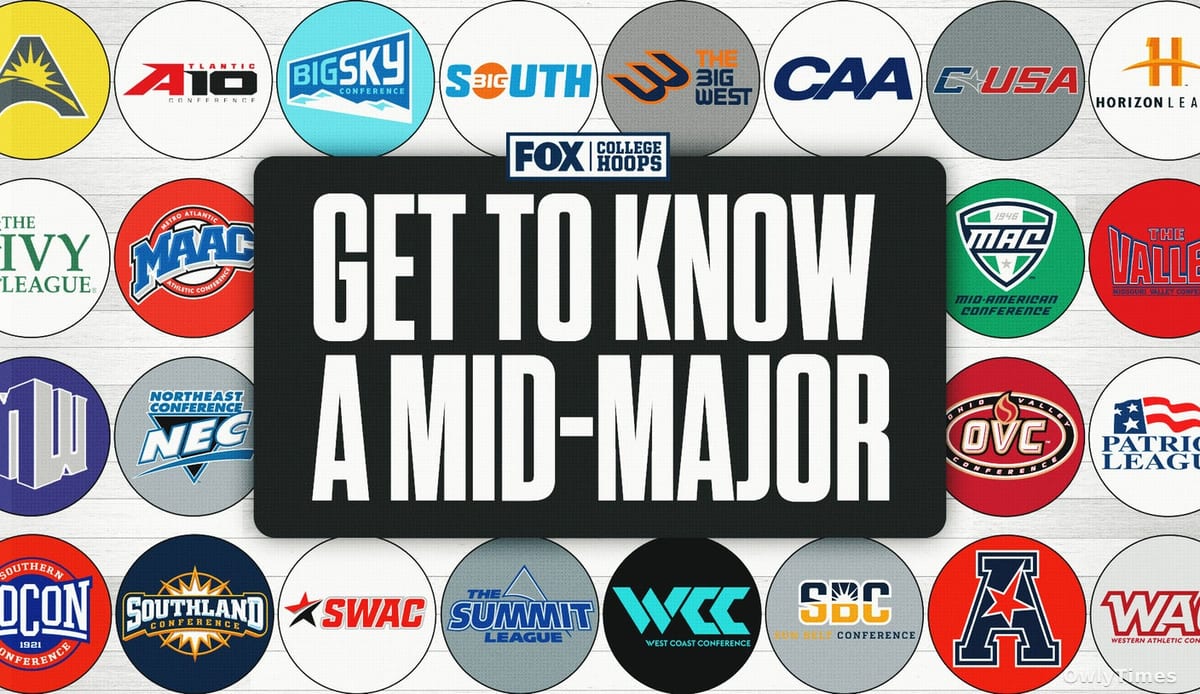

The air in the Jacksonville State gym crackled with a quiet desperation last Saturday. Down by two with seconds ticking away against Liberty, Jacksonville State’s Mostapha El Moutaouakkil, the conference’s leading scorer at 19 points per game, drove to the basket, a tangle of limbs and hope. The shot clanged off the rim. The buzzer sounded. Liberty, despite a surprisingly porous defense allowing 72.5 points per game, held on. That single moment, a missed opportunity in a mid-major conference most casual fans haven’t even heard of, encapsulates the entire narrative of Conference USA basketball this season: a league brimming with individual talent, yet perpetually fighting for relevance in the shadow of the Power 5.
It’s easy to get lost in the March Madness hype surrounding Duke, Kansas, and UConn. But beyond the headlines, a different kind of drama unfolds in conferences like Conference USA, where every possession feels weighted with the knowledge that the automatic bid to the NCAA tournament is often the only path to national recognition. This isn’t a conference of blue bloods and guaranteed bids; it’s a pressure cooker where a single game can define a program’s season, and a single player can become a local legend. And right now, Conference USA is a fascinating case study in realignment, fluctuating membership, and the ever-present struggle for visibility. Having ballooned to 12 teams this season, only to shrink back down to 10 over the next two years thanks to departures to the Mountain West and Sun Belt, the conference is in a constant state of rebuilding.
Drawn from foxsports.com.
The current standings tell a story of predictable dominance and surprising parity. Liberty, led by a high-octane offense, holds a comfortable lead at 15-2, but their relatively low ranking of 62nd in Wins Above Bubble – a metric designed to assess tournament worthiness – reveals a crucial truth: they haven’t necessarily proven they can compete outside of Conference USA. They’re a strong team in a conference that, statistically, doesn’t offer many quality wins. Sam Houston, nipping at their heels at 12-5, presents a similar profile: explosive on offense, vulnerable on defense. The gap between these two and the rest of the conference is significant, with Western Kentucky the only other team cracking the top 150 in the NCAA Evaluation Tool (NET). This isn’t a league brimming with potential upset picks for March Madness; it’s a league where the automatic bid will likely go to a team that, while successful within its own ecosystem, hasn’t consistently challenged itself against top-tier competition.
The women’s side presents a different dynamic. While Liberty’s men are the clear favorites, Louisiana Tech has emerged as a dominant force, riding a 14-game winning streak fueled by a suffocating defense that allows a mere 56.3 points per game in conference play. Their success isn’t built on individual superstars, but on a cohesive team effort and exceptional shooting efficiency. Junior guard Kaemyn Bekemeier of Missouri State leads the conference in scoring with 17.4 points per game, but Louisiana Tech’s balanced attack and defensive prowess make them the clear team to beat. The contrast highlights a key tension within Conference USA: the men’s game often relies on individual brilliance, while the women’s game emphasizes team play and defensive discipline.
What’s particularly striking is the lack of “bubble” teams in either bracket. Unlike the Power 5 conferences, where multiple teams jockey for at-large bids, Conference USA is entirely focused on the automatic qualifier. This creates a unique intensity in the conference tournament, where every game is a win-or-go-home scenario. The new tournament format, limiting participation to the top 10 teams, further amplifies this pressure. Two teams will be left watching from home, a harsh reality in a conference where every program is fighting for a fleeting moment in the national spotlight. The stakes are high, and the margin for error is razor-thin.
Conference USA’s story isn’t about bracketology or national championships. It’s about the relentless pursuit of opportunity, the quiet battles fought in smaller arenas, and the players who dream of March Madness despite the long odds. It’s a reminder that college basketball is more than just the Power 5; it’s a tapestry of conferences, each with its own unique character and compelling narratives. As we head towards Selection Sunday, keep an eye on Conference USA. The winner won’t necessarily be a national powerhouse, but they’ll be a team that embodies the spirit of the tournament: resilience, determination, and the unwavering belief that anything is possible. The question isn’t just who will win the automatic bid, but what will that bid mean for the future of a conference constantly redefining itself? Will a Conference USA champion finally break through and prove that mid-major basketball deserves a larger share of the national conversation?