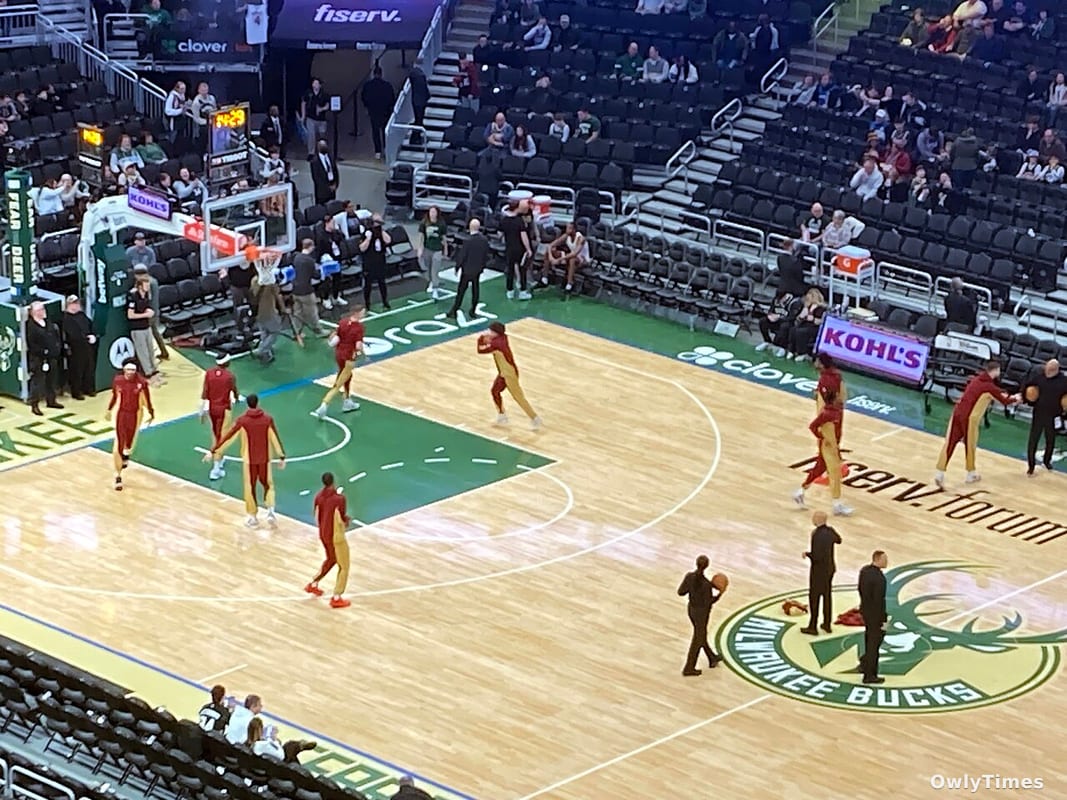

The air in the Southwest College gym crackled with a tension thicker than the Saturday afternoon humidity. It wasn’t just the squeak of sneakers or the shouts of coaches; it was the weight of expectation, the culmination of a season’s worth of sweat and sacrifice, all boiling over in the final seconds of the City Section Open Division boys’ basketball semifinal. Cleveland, seeded second, clawed their way to a 68-62 overtime victory against Fairfax, a game decided not by star power, but by sheer grit and a refusal to yield. But beyond the final score, beyond the bracketology and the championship aspirations, this weekend of City and Southern Section playoffs reveals a fascinating shift in the landscape of California high school basketball – a story of widening gaps, unexpected contenders, and a system grappling with its own evolving power dynamics.
The Rise of the Underdogs and the Shifting Sands of Competition
The results weren’t simply a collection of wins and losses; they were a series of statements. Birmingham’s dominant 73-28 victory over LA Hamilton in the girls’ Open Division semifinal wasn’t just a win, it was a declaration. While powerhouse programs like Westchester (79-45 over Venice) predictably advanced, the sheer margin of some victories – like Wilmington Banning’s 39-15 dismantling of Maywood CES in Division IV – speaks to a growing disparity in resources and access. This isn’t a new phenomenon, but the widening gulf feels particularly pronounced this year. The Southern Section girls’ Open Division quarterfinals underscored this, with Ontario Christian’s staggering 114-50 win over Fairmont Prep serving as a stark illustration of competitive imbalance. These aren’t isolated incidents; they’re symptoms of a system where funding, coaching, and even geographic location increasingly dictate success.
Source material: Yahoo Sports.
Beyond the Scoreboard: The Impact of Transfer Portals and Club Basketball
The conversation around high school sports often centers on the athletes themselves, but the ecosystem surrounding them is undergoing a seismic shift. The increasing prevalence of transfer portals – allowing students to switch schools with greater ease – and the dominance of expensive club basketball programs are reshaping the competitive landscape. While transfers aren’t new, the ease with which players can now assemble “super teams” creates an uneven playing field, concentrating talent in a handful of schools. This isn’t necessarily about individual players seeking opportunity; it’s about a system that incentivizes consolidation of power. The numbers tell the story: the Southern Section’s Open Division semifinals featured programs with established recruiting pipelines and significant financial backing, while smaller schools struggle to compete for attention – and athletes. The fact that these playoffs are happening now, in February, also highlights the compressed schedule and the pressure on athletes to balance academics with increasingly demanding athletic commitments.
State Play-In Games: A Glimpse into California’s Regional Divide
The inclusion of State Play-In Games, like Serra’s 50-43 win over Redondo Union, is a necessary attempt to bridge the gap between the North and South, but it also exposes the inherent regional disparities. The Southern Section, with its larger population and more concentrated basketball culture, consistently sends more teams to the state championships. This isn’t a matter of superiority, but of opportunity. Schools in Southern California often have access to better facilities, more specialized coaching, and a larger pool of potential players. The state play-in games, while leveling the playing field somewhat, can’t fully compensate for these systemic advantages. Corona Centennial’s 66-55 victory over Lakewood St. Joseph is a prime example – a Southern Section powerhouse advancing against a competitive, but ultimately outmatched, opponent.
What This Means for the Future of Prep Sports
These playoffs aren’t just about crowning champions; they’re a microcosm of larger societal trends. The increasing commercialization of youth sports, the growing gap between the haves and have-nots, and the pressure on young athletes to specialize at an early age are all reflected in these results. The question now is whether the governing bodies – the CIF and individual school districts – will address these issues proactively. Will they implement stricter transfer regulations? Will they find ways to level the playing field for smaller schools? Will they prioritize the well-being of athletes over the pursuit of championships? The future of California high school basketball hinges on these answers. More immediately, keep an eye on the finals scheduled for February 27th and 28th. Will the expected powerhouses dominate, or will we see another upset that further disrupts the established order? The answer will tell us a lot about where this sport is headed.