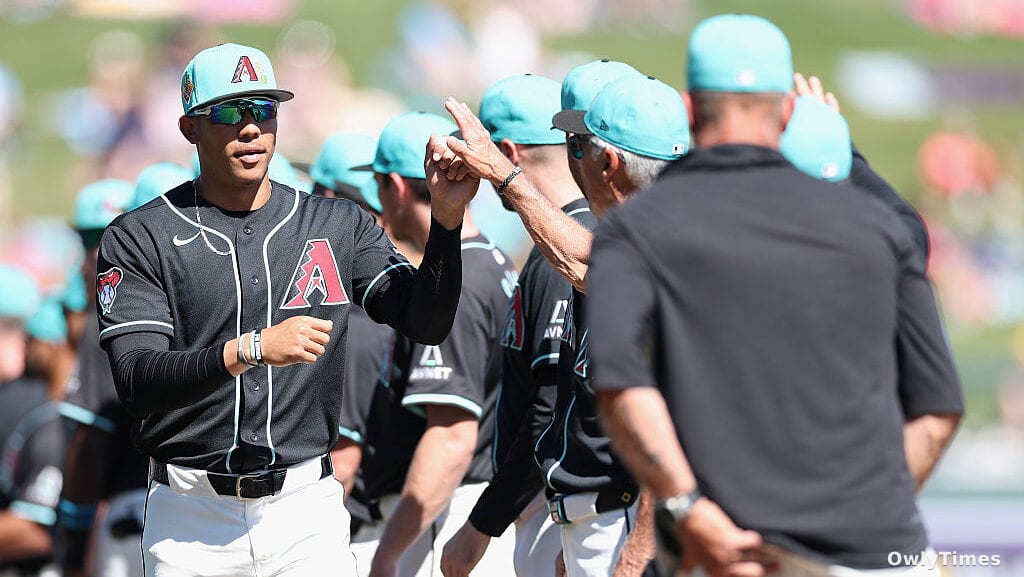

The crack of the bat echoed across Salt River Fields at Talking Stick on Sunday, but for a handful of Arizona Diamondbacks hopefuls, the sound carried a bittersweet note. While Ryan Waldschmidt, Jose Fernandez, and Tommy Troy will still see playing time this spring, the announcement of roster cuts – sending them back to minor league camp – felt less like a demotion and more like a strategic pause in a larger narrative unfolding for the franchise. It wasn’t a surprise, exactly, but the decision underscores a tension brewing within the organization: how aggressively to push top prospects versus adhering to the traditional developmental path.
The Prospect Pipeline and the Patience Game
The Diamondbacks trimmed their major league camp roster to 47 players, a necessary step with Opening Day looming on March 26th at Dodger Stadium. Thirteen players were optioned or reassigned, a group that included not just the headline names, but also a significant chunk of pitching depth like Mitch Bratt and Kohl Drake, acquired in the trade for Merrill Kelly. But it’s the fate of the hitters that’s sparking the most conversation. Waldschmidt, Arizona’s top prospect, generated serious buzz this spring, hitting a home run and consistently driving the ball with exit velocities exceeding 100 mph. His three-hit game was a clear signal of his potential. Yet, the 23-year-old hasn’t seen a single inning at Triple-A Reno, and the D-backs seem hesitant to bypass that crucial level of development. While a direct jump from Double-A to the majors isn’t unprecedented, it’s statistically less likely to result in sustained success – a risk the organization appears unwilling to take, despite the clamor from fans eager to see him in the lineup.
This article draws on reporting from arizonasports.com.
This isn’t simply about individual players; it’s about a shift in organizational philosophy. For years, baseball prioritized immediate contention, often rushing prospects before they were truly ready. The Diamondbacks, under new leadership, seem to be leaning towards a more sustainable model, prioritizing long-term development even if it means delaying gratification. This approach is particularly notable given the current landscape of MLB, where teams are increasingly valuing controllable young talent over expensive free agents. The average age of players on Opening Day rosters has been steadily decreasing, and teams like the Baltimore Orioles have proven that a patient, prospect-driven approach can yield championship-caliber results.
Beyond the Batting Averages: The Value of Versatility
While Waldschmidt’s power potential is undeniable, the decision to send him down also highlights the value the Diamondbacks place on versatility. Jose Fernandez, a relative unknown entering camp, has turned heads with his consistent hitting – leading the team with three home runs this spring – and his ability to play multiple infield positions. He’s a player who might not have the same ceiling as Waldschmidt, but offers immediate utility and a higher floor. This speaks to a broader trend in baseball: the increasing demand for players who can contribute in multiple roles. Teams are less willing to carry specialists and more eager to roster players who can fill in at various positions, providing valuable flexibility throughout the season. The fact that Fernandez is being rewarded for his adaptability, even while a higher-profile prospect is sent down, is a telling sign.
The potential lineup brewing in Reno, featuring players like LuJames Groover and A.J. Vukovich alongside Waldschmidt, Fernandez, and Troy, is a testament to the depth the Diamondbacks are building within their system. Troy, with his impressive .500 batting average this spring (12-for-24), is another player knocking on the door. The Aces are poised to be a team to watch, not just for their individual talent, but for the collective pressure they’ll put on the major league roster. This isn’t just about developing players; it’s about creating internal competition, a crucial ingredient for sustained success.
What This Means for the Future of Arizona Baseball
The Diamondbacks’ roster moves aren’t just about who’s in and who’s out of camp; they’re a statement about the organization’s priorities. They’re signaling a commitment to a long-term, sustainable approach, one that values development and versatility over immediate gratification. This is a calculated risk. Fans want to see the stars of tomorrow today, and delaying their arrival can lead to frustration. But the Diamondbacks are betting that a more patient approach will ultimately yield a more competitive and resilient team. The question now is whether this strategy will pay off. Will Waldschmidt and the others thrive in Triple-A, refining their skills and preparing for a more impactful debut? Or will the delay stifle their momentum and allow other prospects to surpass them? The answer will be written not just in batting averages and ERAs, but in the long-term trajectory of the Arizona Diamondbacks.

